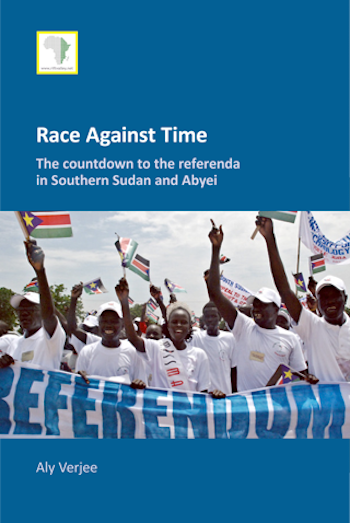
Published on the eve of voter registration for the referendum in South Sudan, Race Against Time analyses the unresolved procedural problems, technical difficulties, and disputes threatening the self-determination process. The report includes timelines, a guide to electoral bodies, comparisons…
RVI publishes books, research reports, research papers, briefings and meeting reports in a range of formats. Publications cover policy, research, arts, culture and local knowledge in the countries of eastern and central Africa. Research publications—books, reports and papers—are peer-reviewed. Some RVI publications are also available in French and/or Arabic.
The RVI is a signatory of the Budapest Open Access Initiative (2001); all publications are free for download in PDF format under Creative Commons licences. The views expressed in books and reports published by the RVI are those of the authors, not the Institute.
SEARCH
PUBLICATION TYPE
LANGUAGE
REGION
COUNTRY
- By Aly Verjee
- Download
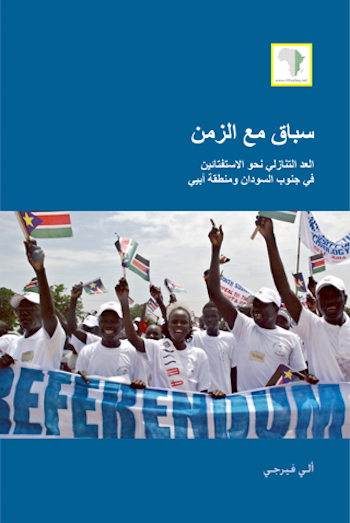
إن تقرير سباق مع الزمن الذي ينشر أثناء فترة تسجيل الناخبين لإستفتاء جنوب السودان يحلّل المشاكل الاجرائيّة المستعصية والصعوبات الفنيّة والنزاعات التي تهدد عمليّة تقرير المصير في جنوب السودان وابيي. ويوفر التقرير خطوطاً زمنيّة وموجّهات لبهيئات الانتخابية ومقارنات مع…
- By Justin Willis
- Download
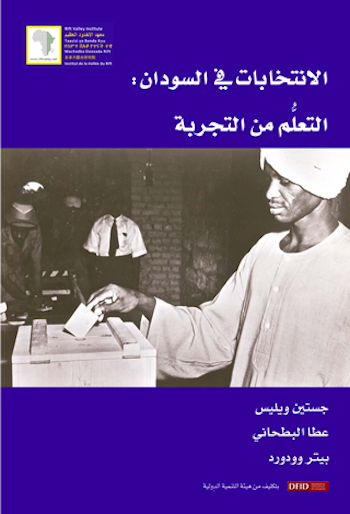
يتقصى هذا التقرير التاريخ غير القصير للانتخابات في السودان ويتساءل لماذا لم تستطيع انتخابات التعددية الحزبية، رغم نجاحها الواضح عام 1953، ان تجلب ذلك النوع من الحكومة المستقرة والديناميكية التي يتوقع من الاقتراع السري ان يشجع على قيامها. ويتطلع…
ركز النقاش الدائر حول السودَانيْن، الشمالي والجنوبي، على مسالة أين يمر خط الحدود بينهما. ويفحص التقرير الاول في سلسلة الحدود المتنازع عليها، حينما تصير الحدود الاداريّة حدوداً دوليّة، موضوعاً آخر لكنه يتميّز بنفس القدر من الأهميّة هو: الأثر المحتمل…
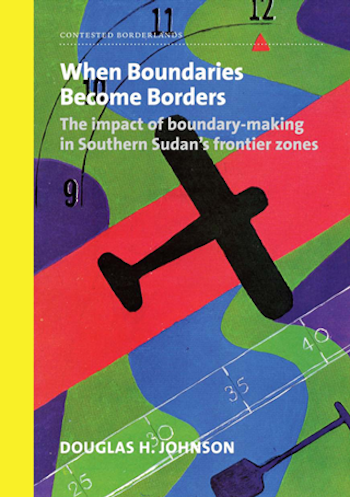
Discussion of the border between Sudan and South Sudan has focused on the question of where the boundary line is to be drawn. When Boundaries Become Borders examines a different, but equally important issue: the potential impact of the…
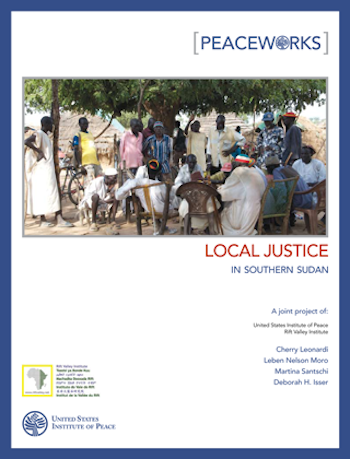
This report analyses the workings of the justice system in Southern Sudan, focusing on the real-world relationship between local chiefs’ courts and government courts and the ways that litigants navigate between them. Based on extensive interviews with litigants, chiefs,…
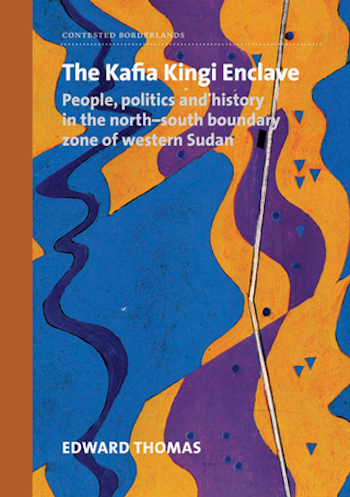
When South Sudan became a separate state in 2011, its northern boundary with the Republic of Sudan became an international border, the longest and most contentious in the region. At the westernmost extremity of Sudan, Kafia Kingi is a…
In July 2014, humanitarian agencies and the government of Somalia warned of a new severe drought in Somalia, only three years after more than 250,000 people died in a deadly famine. In a report for Tufts University and the…
‘Objective, analytical and balanced.’ IBRAHIM FARAH, UNIVERSITY OF NAIROBI Summary Talking Peace in the Ogaden outlines the modern history of ethnic Somalis in relation to the Ethiopian state from the late 19th century to the present day, and assesses…
تُعتبر كفيا قنجي الواقع على الطرف الغربي الأقصى للسودان نقطة إلتقاء رئيسية بين دارفور وجنوب البلاد؛ وتخضع هذه المنطقة الغنية بالمعادن حالياً لإدارة جنوب دارفور، لكن من المتوقع إعادتها إلى مقاطعة راجا في جنوب السودان بموجب بنود اتفاقية السلام…
Recent Publications

The Political Economy of Coffee in the Sidama–Gedeo–Guji Belt, Southern Ethiopia
September 4, 2026
This report is part of a wider research project on the political economy of coffee in Ethiopia in the context of the political transition since 2018. It focuses on the Sidama–Gedeo–Guji coffee belt in southern Ethiopia, aiming to understand the

SHECONF 2026: International Conference on Social Sciences and Humanities
July 9, 2026
Event report On 26 March 2026, researchers, practitioners and academics gathered in Addis Ababa for SHECONF 2026, an International Conference on Social Sciences and Humanities in Ethiopia, the first of its kind convened by the Ethiopian Women Researchers Network (EWNET).

State Capture in Africa: How elite networks undermine democracy, development and security
June 24, 2026
Key points State capture has been increasingly recognized as a major governance challenge due to the way it helps to drive many of the most pressing problems facing contemporary states, including democratic erosion, corruption, economic exclusion, insecurity and declining trust