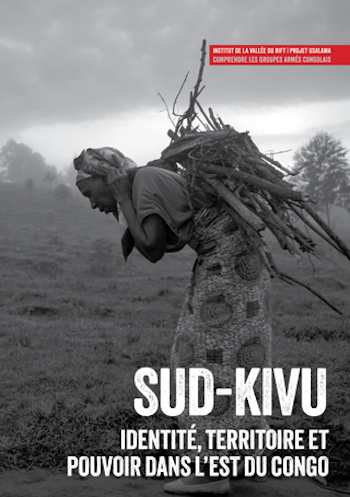
Ce rapport Usalama par Koen Vlassenroot décrit la dynamique historique à l’origine des mouvements armés au Sud-Kivu, en mettant plus précisément l’accent sur la période située avant la Première Guerre du Congo. La province du Sud-Kivu se trouve au…
RVI publishes books, research reports, research papers, briefings and meeting reports in a range of formats. Publications cover policy, research, arts, culture and local knowledge in the countries of eastern and central Africa. Research publications—books, reports and papers—are peer-reviewed. Some RVI publications are also available in French and/or Arabic.
The RVI is a signatory of the Budapest Open Access Initiative (2001); all publications are free for download in PDF format under Creative Commons licences. The views expressed in books and reports published by the RVI are those of the authors, not the Institute.
SEARCH
PUBLICATION TYPE
LANGUAGE
REGION
COUNTRY
- By Jason Stearns, Anonymous
- Download
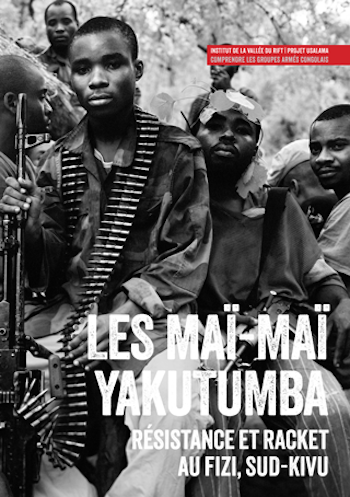
Ce rapport du Projet Usalama examine les Maï-Maï de William Amuri Yakutumba, un groupe qui, initialement, ont été démobilisé après la Deuxième Guerre du Congo (1998-2003). Cependant, après avoir peiné de trouver d’autres moyens de subsistance, ils ont remobilisé,…
Ce rapport Usalama par Jason Stearns et al. examine les Banyamulenge, une communauté Tutsi vivant dans l’est de la RDC qui s’est trouvée au coeur des multiples conflits qui sévissent de manière intermittente dans l’est de la RDC depuis…
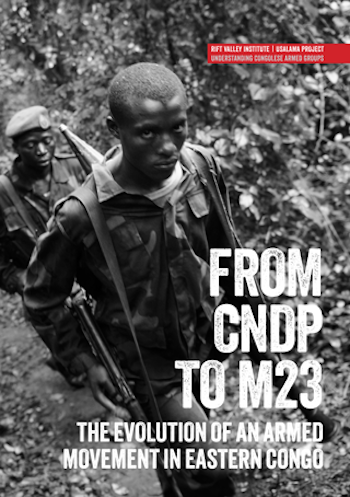
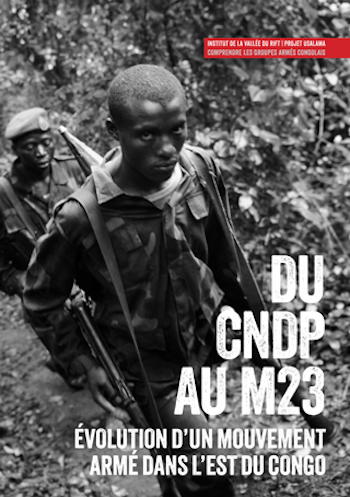
Ce rapport du Projet Usalama explore les racines de la plus récente rébellion dans l’est de la RDC. Il discute aussi les implications de la rébellion sur les voisins à l’est de la RDC, le Rwanda et l’Ouganda, qui…
Ce rapport du Projet Usalama résume le contexte historique de la profusion des groupes armés qui ont surgit dans les deux dernières décennies dans la province du Nord-Kivu en RDC. Le rapport sert à démystifier les nombreux factions armées…
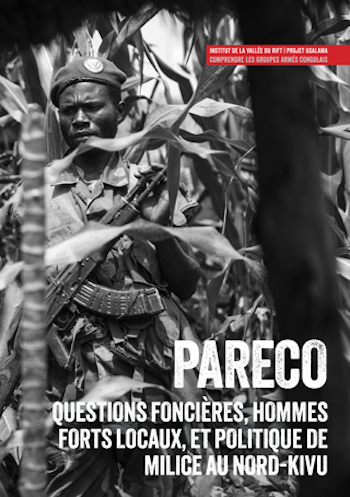
Ce rapport du Projet Usalama traite des origines et activités de la PARECO, la Coalition des patriotes congolais résistants, une faction qui a surgit de griefs locales au sujet de questions foncières, devenait puissant comme réponse au CNDP et qui…
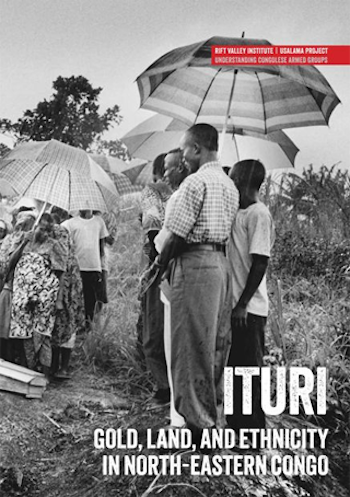
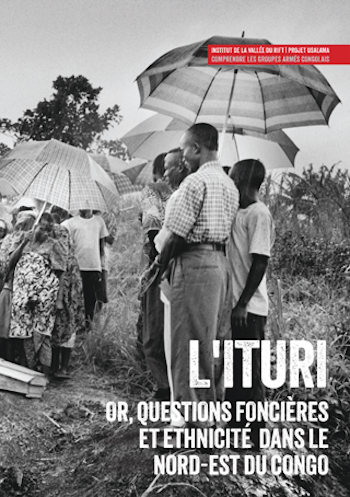
Ce rapport par Dan Fahey fournit le contexte historique des années de conflit dans le district de l’Ituri dans le nord-est du Congo. La nature particulièrement violente de la guerre qui sévit en Ituri––massacres à grande échelle, violences sexuelles…
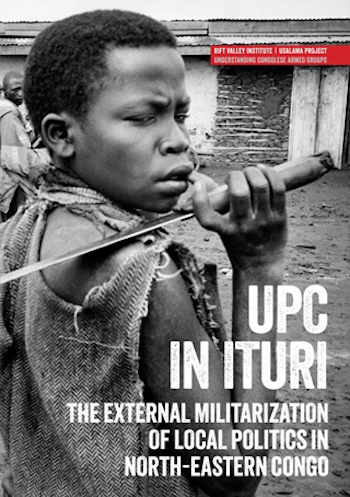
Ce rapport Usalama par Henning Tamm étudie la convergence des facteurs qui ont contribué à la formation puis à la dislocation de l’Union des patriotes congolais (UPC), l’un des groupes armés les plus puissants de l’Ituri. Créée dans le contexte…
- By Jason Stearns
- Download
Ce rapport du Projet Usalama décrit les origines, l’évolution rapide, l’expansion et les activités de cette force diverse. Le groupe débuta comme une réponse locale à l’insécurité endémique, mais profita des déficiences dans les différents processus de paix à…
This report examines Sudan’s history of elections, and asks why they have failed to produce the kind of stable yet dynamic government in Sudan that the secret ballot is intended to encourage. Elections in Sudan analyses the varied forms of malpractice…
Recent Publications

The Political Economy of Coffee in the Sidama–Gedeo–Guji Belt, Southern Ethiopia
September 4, 2026
This report is part of a wider research project on the political economy of coffee in Ethiopia in the context of the political transition since 2018. It focuses on the Sidama–Gedeo–Guji coffee belt in southern Ethiopia, aiming to understand the

SHECONF 2026: International Conference on Social Sciences and Humanities
July 9, 2026
Event report On 26 March 2026, researchers, practitioners and academics gathered in Addis Ababa for SHECONF 2026, an International Conference on Social Sciences and Humanities in Ethiopia, the first of its kind convened by the Ethiopian Women Researchers Network (EWNET).

State Capture in Africa: How elite networks undermine democracy, development and security
June 24, 2026
Key points State capture has been increasingly recognized as a major governance challenge due to the way it helps to drive many of the most pressing problems facing contemporary states, including democratic erosion, corruption, economic exclusion, insecurity and declining trust