The 2025 Year in Review provides an overview of the Rift Valley Institute’s work over the past year across eastern and central Africa. The report highlights RVI’s research and publication outputs, education and training activities, and public forums and…
RVI publishes books, research reports, research papers, briefings and meeting reports in a range of formats. Publications cover policy, research, arts, culture and local knowledge in the countries of eastern and central Africa. Research publications—books, reports and papers—are peer-reviewed. Some RVI publications are also available in French and/or Arabic.
The RVI is a signatory of the Budapest Open Access Initiative (2001); all publications are free for download in PDF format under Creative Commons licences. The views expressed in books and reports published by the RVI are those of the authors, not the Institute.
SEARCH
PUBLICATION TYPE
LANGUAGE
REGION
COUNTRY
- Download
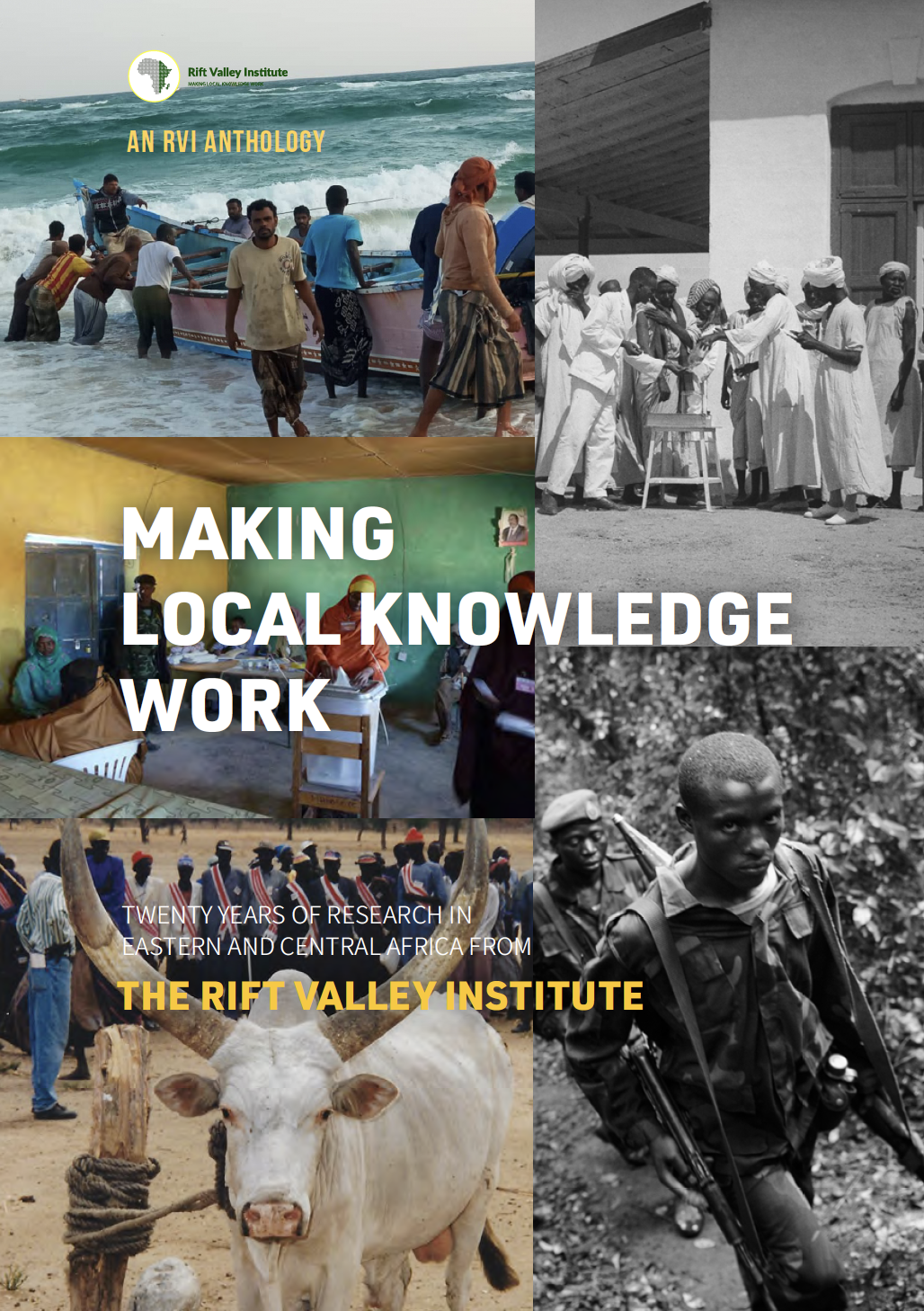
In 2021 RVI celebrated the 20-year anniversary of its founding in southern Sudan in 2001. As part of these celebrations, we decided to produce an Anthology of our published work over the last two decades: 20 chapters to mark…
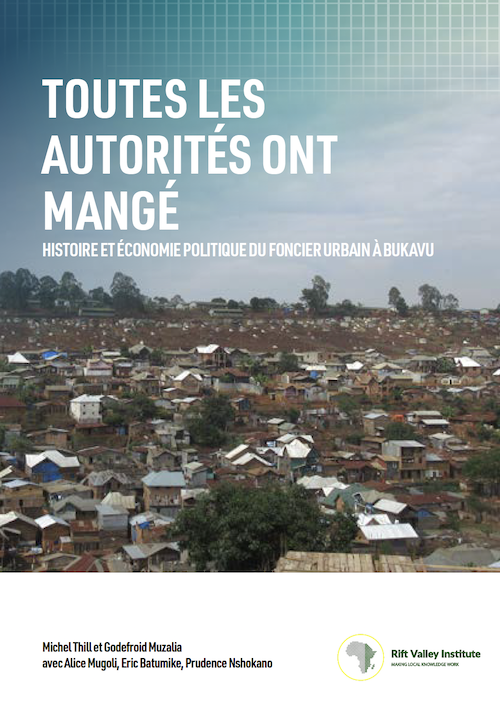
RÉSUMÉ En République démocratique du Congo (RDC), le cadre opaque qui régit la gouvernance foncière, dont on sait qu’il est à l’origine de nombreux conflits allant de désaccords entre voisins à des affrontements violents entre groupes armés, fait l’objet…
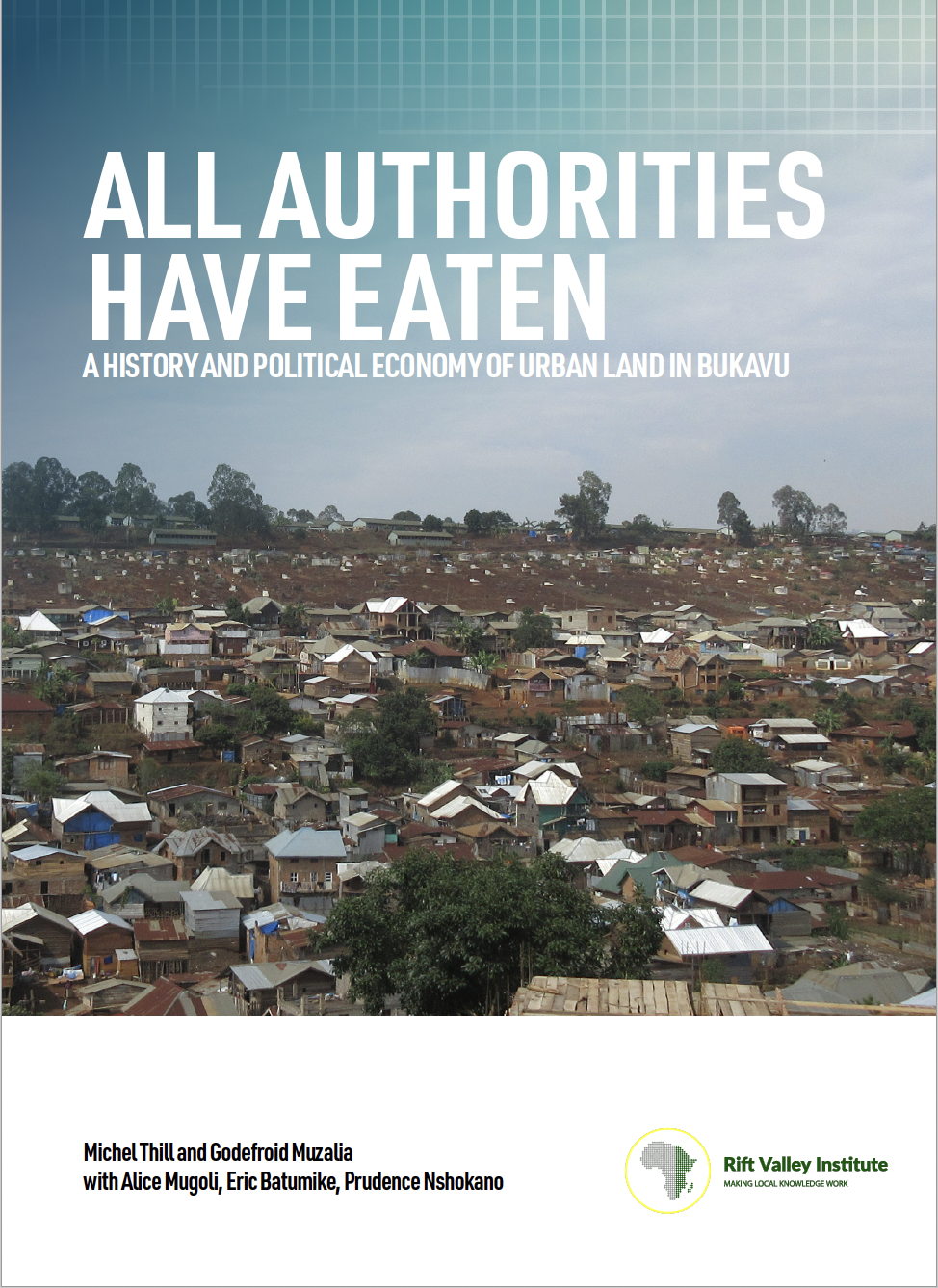
SUMMARY In the Democratic Republic of Congo (DRC, Congo), the opaque land governance framework, known to be at the bottom of countless conflicts ranging from disagreements between neighbours to violent clashes between armed groups, has been undergoing reform for…
Uganda is at a political and democratic crossroads. Despite being a nominal democracy, incumbent president Yoweri Museveni, who has been at the helm for 34 years, shows no intention of relinquishing power and increasingly relies on the military to…
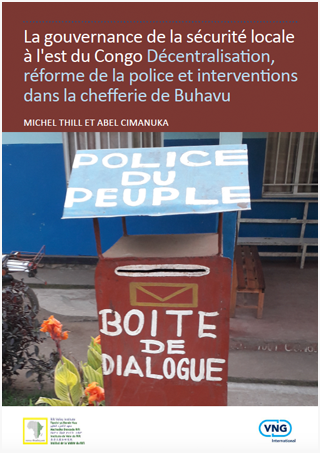
En 2019, le gouvernement congolais s’est engagé à relancer la réforme de la police après l’arrêt d’un programme pilote en 2014 en raison de violations des droits de l’homme commises par la Police Nationale Congolaise. Pendant ce temps, le…
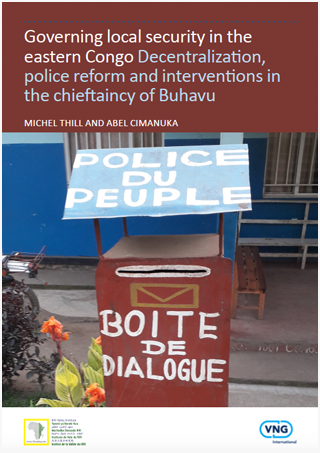
In 2019, the Congolese government pledged to reinvigorate police reform after a pilot programme was shut down in 2014 due to human rights abuses committed by the Congolese National Police. Meanwhile, the government in South Kivu called for the…
- Download
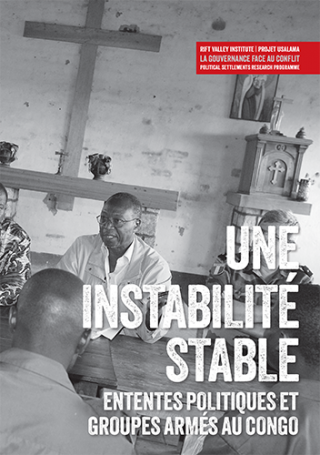
Après plus de deux décennies de conflit violent permanent, les groupes armés—quel que soit le caractère plus ou moins fugace de leur existence—sont devenus une caractéristique incontournable de l’ordre socio-politique au Congo oriental. Ils n’y sont pas une aberration…
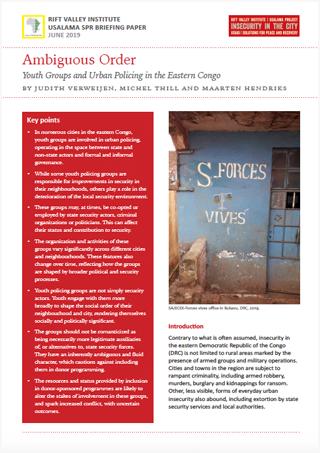
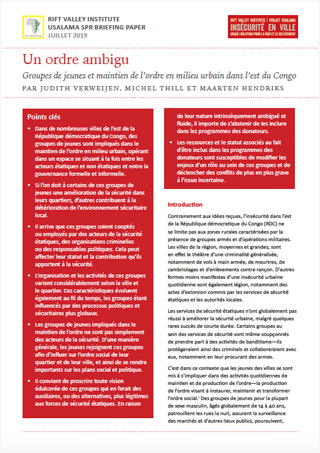
Key points In numerous cities in the eastern Congo, youth groups are involved in urban policing, operating in the space between state and non-state actors and formal and informal governance. While some youth policing groups are responsible for improvements…
Points clés Dans de nombreuses villes de l’est de la République démocratique du Congo, des groupes de jeunes sont impliqués dans le maintien de l’ordre en milieu urbain, opérant dans un espace se situant à la fois entre les…
Recent Publications

Writing Ethiopia into the World, Writing the World from Ethiopia
October 7, 2026
The Ethiopian Women Researchers Network (EWNET) hosted an online scholarly webinar on Friday, 30 January 2026, titled ‘Writing Ethiopia into the World and Writing the World from Ethiopia’. The webinar examined how Ethiopia has been represented within global knowledge production
The Political Economy of Coffee in the Kaffa–Bench-Sheko–Sheka Belt, Southwest Ethiopia Region
October 6, 2026
This study provides a critical political economy analysis of the coffee sector in the Kaffa–Bench-Sheko–Sheka belt in Southwest Ethiopia Peoples’ Regional State, the genetic and cultural heartland of Arabica coffee (Coffea arabica). Based on 47 key respondent interviews, the study
The Political Economy of Coffee in the Jimma–Ilu Aba Bora–Buno Bedele Belt, Oromia Region
October 5, 2026
The findings of this study reveal a number of critical insights about the political economy of coffee in the Jimma–Ilu Aba Bora–Buno Bedele coffee belt. The coffee economy is shaped by a small number of influential actors, including state institutions,