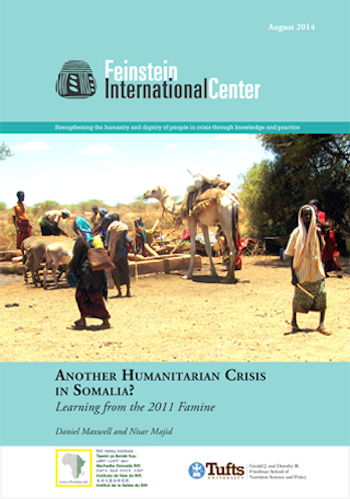
In July 2014, humanitarian agencies and the government of Somalia warned of a new severe drought in Somalia, only three years after more than 250,000 people died in a deadly famine. In a report for Tufts University and the…
RVI publishes books, research reports, research papers, briefings and meeting reports in a range of formats. Publications cover policy, research, arts, culture and local knowledge in the countries of eastern and central Africa. Research publications—books, reports and papers—are peer-reviewed. Some RVI publications are also available in French and/or Arabic.
The RVI is a signatory of the Budapest Open Access Initiative (2001); all publications are free for download in PDF format under Creative Commons licences. The views expressed in books and reports published by the RVI are those of the authors, not the Institute.
SEARCH
PUBLICATION TYPE
LANGUAGE
REGION
COUNTRY
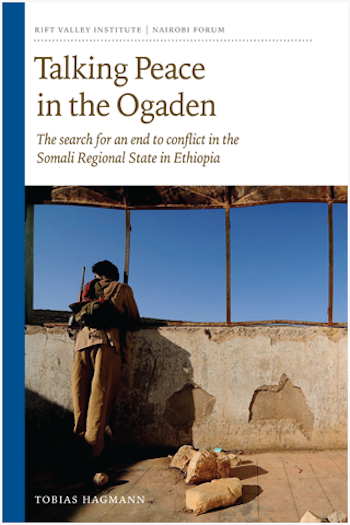
‘Objective, analytical and balanced.’ IBRAHIM FARAH, UNIVERSITY OF NAIROBI Summary Talking Peace in the Ogaden outlines the modern history of ethnic Somalis in relation to the Ethiopian state from the late 19th century to the present day, and assesses…
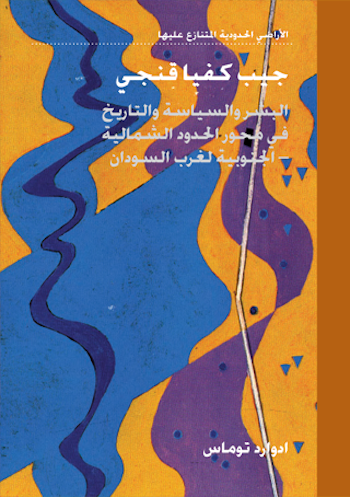
تُعتبر كفيا قنجي الواقع على الطرف الغربي الأقصى للسودان نقطة إلتقاء رئيسية بين دارفور وجنوب البلاد؛ وتخضع هذه المنطقة الغنية بالمعادن حالياً لإدارة جنوب دارفور، لكن من المتوقع إعادتها إلى مقاطعة راجا في جنوب السودان بموجب بنود اتفاقية السلام…
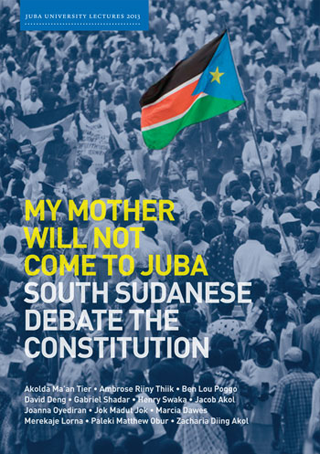
In South Sudan delays in the making of the national constitution have led to public concern. My Mother Will Not Come to Juba: South Sudanese debate the constitution is the record of three evenings of public lectures at the University of…
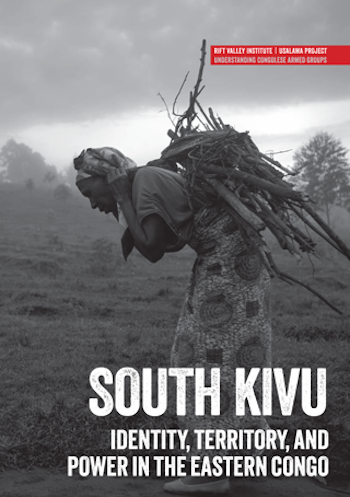
This Usalama report by Koen Vlassenroot outlines the historical dynamics behind the armed movements in South Kivu, focusing on the period before and leading up to the First Congo War. The province of South Kivu has been at the…
The Usalama Project is a gold mine of accessible information on Congolese armed groups. Its studies are, and will be, of great use for security sector reform in the Democratic Republic of the Congo. EMMANUEL KABANGELE, NATIONAL COORDINATOR, RRSSJ…
‘This study uses the concept of extraversion to show how different Somali actors—who do not share the statebuilding vision of international donors— have successfully used externally driven peacebuilding and statebuilding projects to their advantage. Moving away from established narratives…
Le rapport final du Projet Usalama présente les conclusions de ses travaux de recherche des 18 derniers mois en trois parties: une analyse de la mobilisation armée, axée sur la région du Nord- et du Sud-Kivu; un examen des…
Ce rapport analyse la militarisation en territoire d’Uvira et la manière dont celle-ci façonne les rapports entre conflits locaux, gouvernance et mobilisation armée. Pour être plus précis, il étudie la façon dont les forces armées influencent et sont influencées…
This Usalama Report by Judith Verweijen analyses militarization in Uvira and how it shapes the interplay between local conflicts, governance and armed mobilization. Focussing on the Bafuliiru Chiefdom and the Ruzizi Plain Chiefdom, the report examines how armed forces…
Recent Publications

Writing Ethiopia into the World, Writing the World from Ethiopia
October 7, 2026
The Ethiopian Women Researchers Network (EWNET) hosted an online scholarly webinar on Friday, 30 January 2026, titled ‘Writing Ethiopia into the World and Writing the World from Ethiopia’. The webinar examined how Ethiopia has been represented within global knowledge production
The Political Economy of Coffee in the Kaffa–Bench-Sheko–Sheka Belt, Southwest Ethiopia Region
October 6, 2026
This study provides a critical political economy analysis of the coffee sector in the Kaffa–Bench-Sheko–Sheka belt in Southwest Ethiopia Peoples’ Regional State, the genetic and cultural heartland of Arabica coffee (Coffea arabica). Based on 47 key respondent interviews, the study
The Political Economy of Coffee in the Jimma–Ilu Aba Bora–Buno Bedele Belt, Oromia Region
October 5, 2026
The findings of this study reveal a number of critical insights about the political economy of coffee in the Jimma–Ilu Aba Bora–Buno Bedele coffee belt. The coffee economy is shaped by a small number of influential actors, including state institutions,