This paper focuses on the potential for a regionalization of the conflict between the Sudan Armed Forces (SAF) and the Rapid Support Forces (RSF), including external involvement by Sudan’s neighbours and cross-border spill-over. It is the second in a…
RVI publishes books, research reports, research papers, briefings and meeting reports in a range of formats. Publications cover policy, research, arts, culture and local knowledge in the countries of eastern and central Africa. Research publications—books, reports and papers—are peer-reviewed. Some RVI publications are also available in French and/or Arabic.
The RVI is a signatory of the Budapest Open Access Initiative (2001); all publications are free for download in PDF format under Creative Commons licences. The views expressed in books and reports published by the RVI are those of the authors, not the Institute.
SEARCH
PUBLICATION TYPE
LANGUAGE
REGION
COUNTRY
INTRODUCTION Social science knowledge production in Ethiopia, as elsewhere in Africa, has Eurocentric roots. This is because Ethiopian Studies was born outside of Ethiopia, with the first generation of scholars consisting mainly of academics from Western countries or Ethiopians…
HISTORY, POLITICS AND INTER-RELIGIOUS RELATIONS INTRODUCTION Religious affiliation is almost universal in Ethiopia, which means that religions amass significant political capital but may also act as potential catalysts for conflict. After five decades of ostensibly secular politics—first under a…
Overview Amid the major changes to Somalia’s political landscape seen over the past two decades, an abiding feature has been the reliance on clan-based power-sharing models, including the ‘4.5’ formula. Despite the Somali Provisional Constitution containing no reference to…
This paper focuses on the origins and the political and military objectives of the two main internal actors – the Sudanese Armed Forces (SAF) and the Rapid Support Forces (RSF) — in Sudan’s ongoing conflict. It is the first…
Overview Since the formation of Jubaland state in 2012, decades of conflict have given way to increased stability across parts of the region. Even so, insecurity, political violence and humanitarian crises have persisted amid recurrent tensions between Jubaland and…
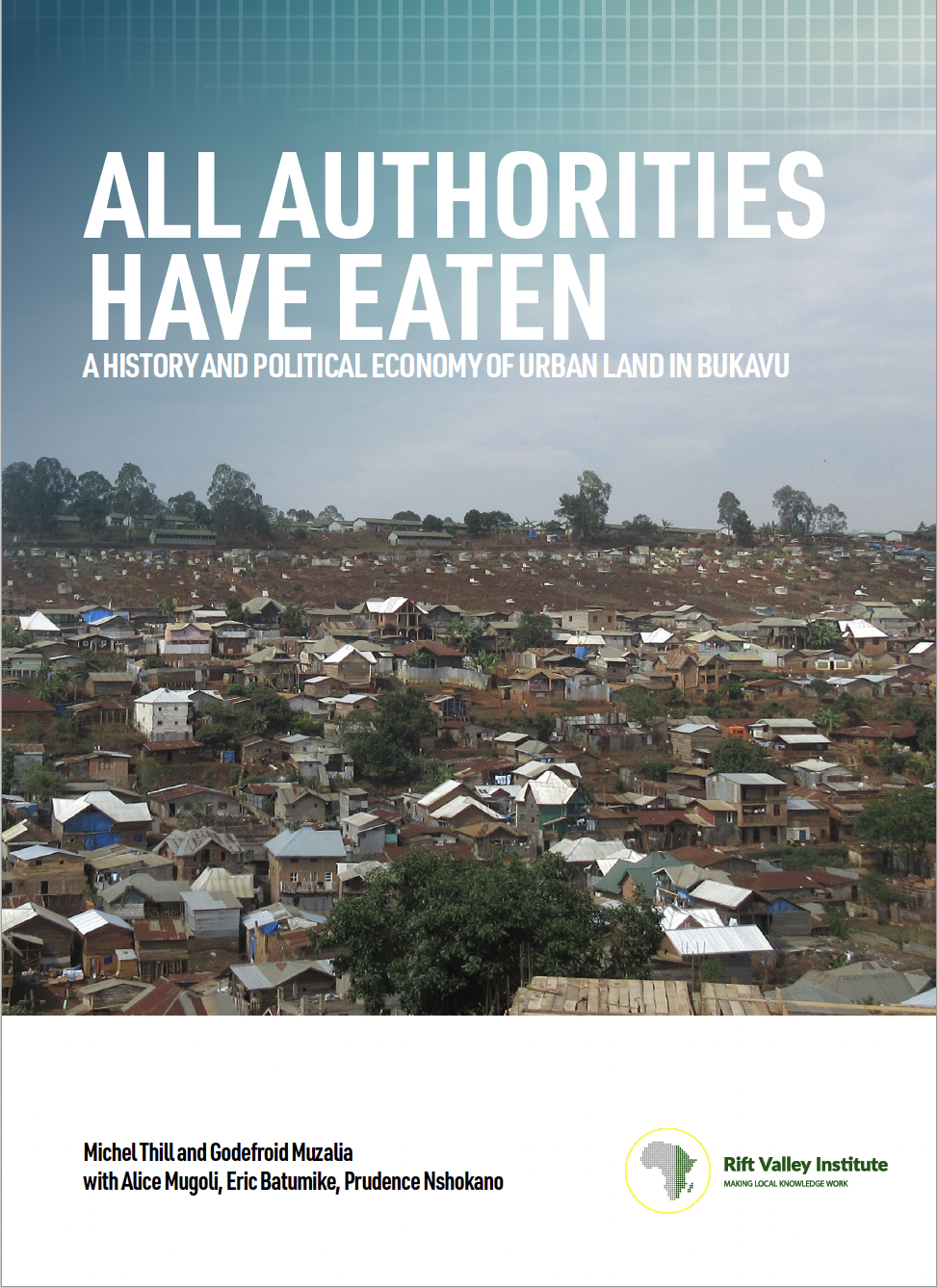
SUMMARY In the Democratic Republic of Congo (DRC, Congo), the opaque land governance framework, known to be at the bottom of countless conflicts ranging from disagreements between neighbours to violent clashes between armed groups, has been undergoing reform for…
This briefing was produced by the Ethiopia Peace Research Facility (PRF). The PRF is an independent facility combining timely analysis on peace and conflict from Ethiopian experts with support for conflict sensitive programming in the country. It is managed by…
- By Mustafe M. Abdi
- Download
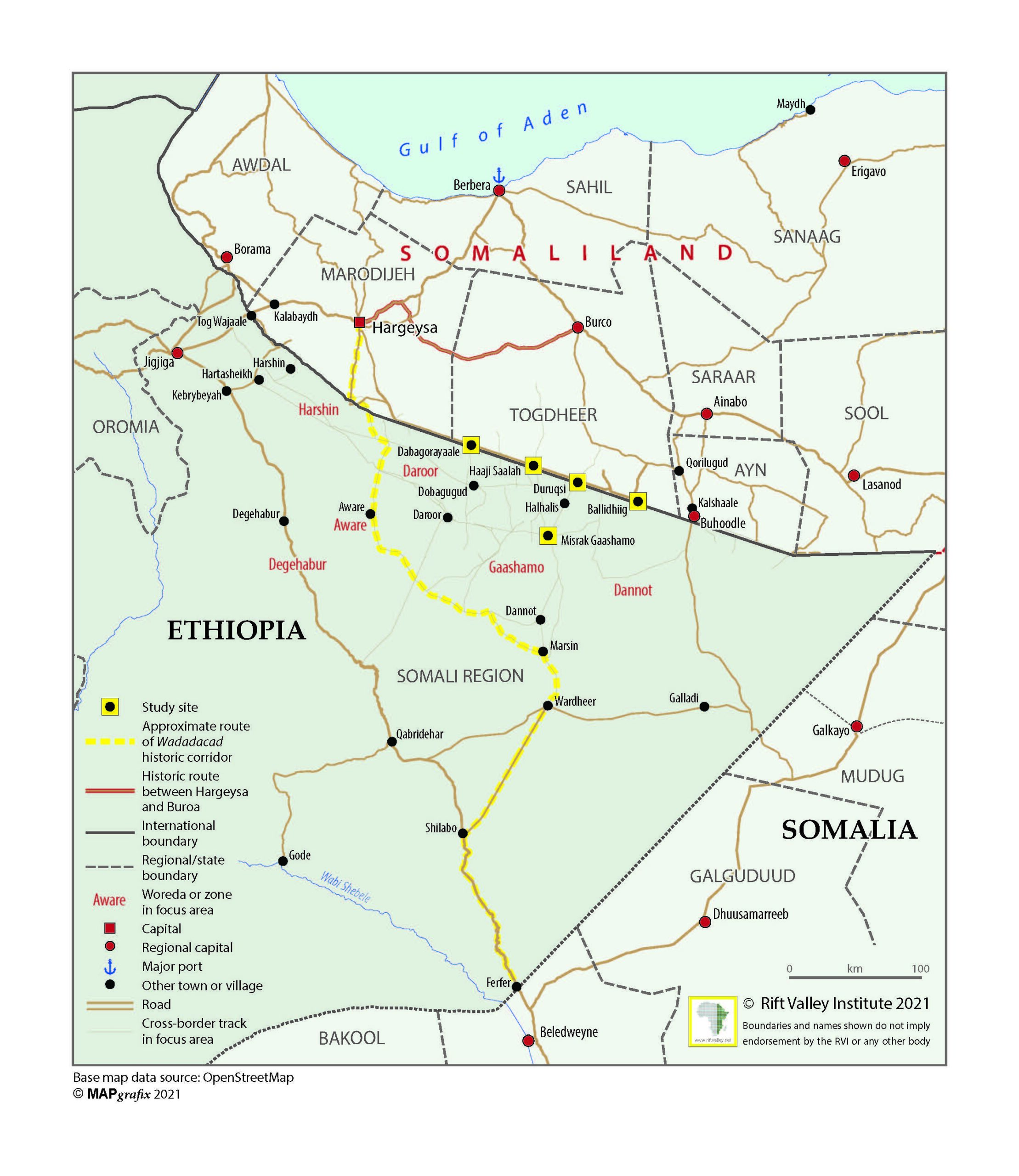
The current conflict over the contested city of Lasanod has the potential to expand into a crisis affecting several of the Somali-speaking territories. This blog – building on research the author conducted in 2021 – looks at the conflict…
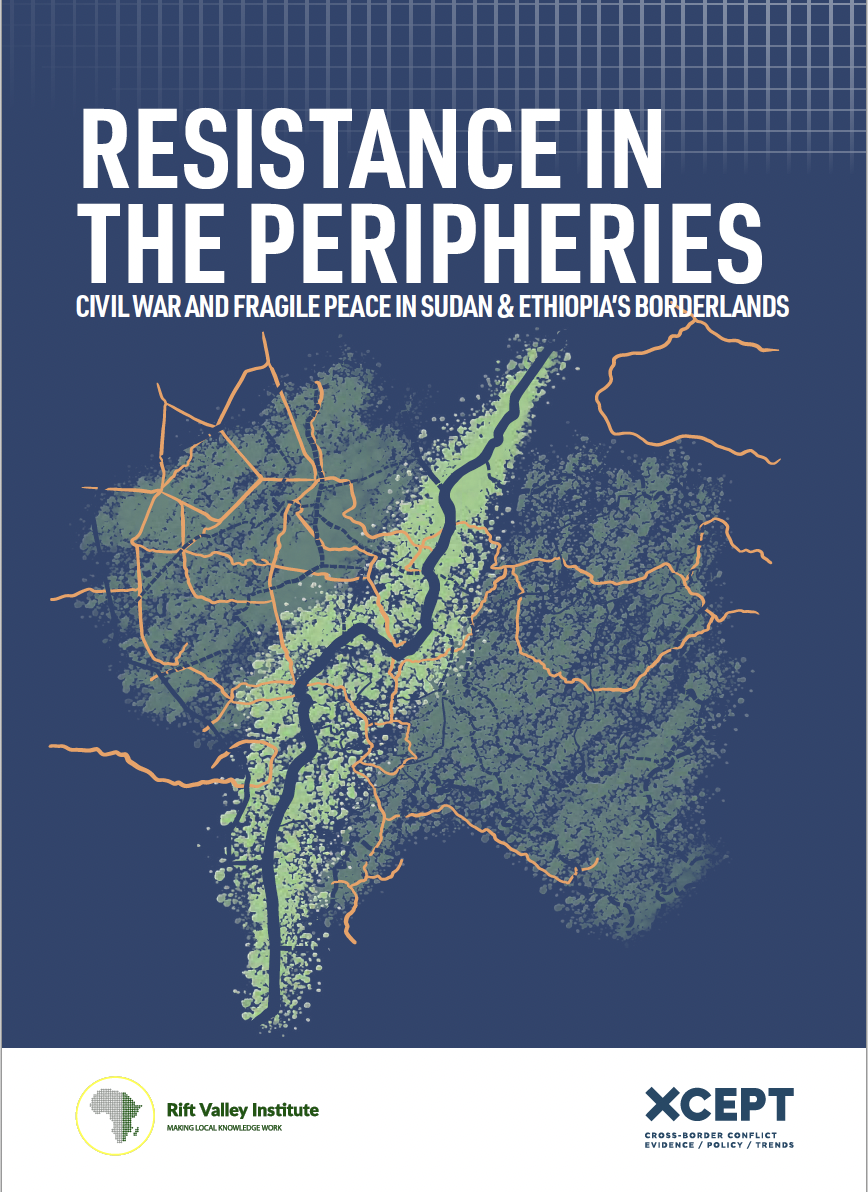
Summary • Historically, the people living along the Blue Nile – Benishangul-Gumuz borderlands in what is now Sudan and Ethiopia have been politically and socially marginalized within their respective political entities. As such they have sought ways to address…
Recent Publications

Writing Ethiopia into the World, Writing the World from Ethiopia
October 7, 2026
The Ethiopian Women Researchers Network (EWNET) hosted an online scholarly webinar on Friday, 30 January 2026, titled ‘Writing Ethiopia into the World and Writing the World from Ethiopia’. The webinar examined how Ethiopia has been represented within global knowledge production
The Political Economy of Coffee in the Kaffa–Bench-Sheko–Sheka Belt, Southwest Ethiopia Region
October 6, 2026
This study provides a critical political economy analysis of the coffee sector in the Kaffa–Bench-Sheko–Sheka belt in Southwest Ethiopia Peoples’ Regional State, the genetic and cultural heartland of Arabica coffee (Coffea arabica). Based on 47 key respondent interviews, the study
The Political Economy of Coffee in the Jimma–Ilu Aba Bora–Buno Bedele Belt, Oromia Region
October 5, 2026
The findings of this study reveal a number of critical insights about the political economy of coffee in the Jimma–Ilu Aba Bora–Buno Bedele coffee belt. The coffee economy is shaped by a small number of influential actors, including state institutions,