This briefing is an output of the Diaspora Humanitarianism in Complex Crises (D-Hum) project, a partnership between the Danish Institute for International Studies, Institute for Development Studies, University of Nairobi, Rako Research and Communication Centre, and the Rift Valley Institute. Key…
RVI publishes books, research reports, research papers, briefings and meeting reports in a range of formats. Publications cover policy, research, arts, culture and local knowledge in the countries of eastern and central Africa. Research publications—books, reports and papers—are peer-reviewed. Some RVI publications are also available in French and/or Arabic.
The RVI is a signatory of the Budapest Open Access Initiative (2001); all publications are free for download in PDF format under Creative Commons licences. The views expressed in books and reports published by the RVI are those of the authors, not the Institute.
SEARCH
PUBLICATION TYPE
LANGUAGE
REGION
COUNTRY
- Download
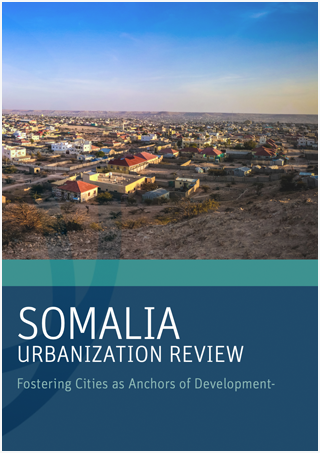
The World Bank’s Somalia Urbanization Review aims to improve our understanding of the complex issues pertaining to urbanization in Somalia and identifies priority interventions that can help better manage it. There is wide consensus within the government as well…
17-kii Sebteembar, hoggaanka Dowladda Federaalka iyo Dowlad-goboleedyada xubnaha ka ah Dowladda Federaalka waxay ku heshiiyeen qaab doorasho dadban oo loogu talagalay doorashooyinka soo socda ee dalka. Iyadoo laga ambaqaadayo doodo taxane ah oo Dhuusamareeb ka qabsoomay bilaha Luulyo iyo…
On 17 September, the leaders of the Federal Government of Somalia (FGS) and all five Federal Member States (FMS) agreed on an indirect electoral model for the country’s upcoming polls. Building on a series of discussions in Dhusamareb in…
The Somaliland Peace and Development Journal (SPDJ) is an annual peer-reviewed academic journal from the Institute for Peace and Conflict Studies, University of Hargeysa. The Journal began during a collaboration between RVI, the University of Hargeysa and Puntland State University…
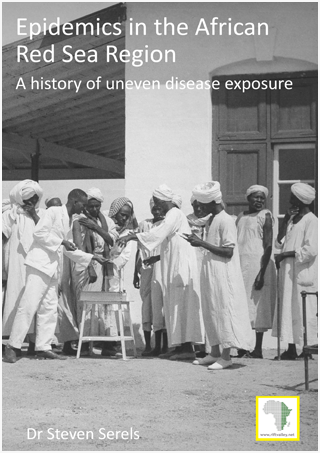
Summary The sustained movement of people, goods and ideas across the African Red Sea Region has been and continues to be so intense that it binds together communities throughout the region in a unified multifaceted socio-economic system that transcends…
Codka kalsooni kala noqoshada ee 25-kii Luulyo lagu riday Ra’iisul Wasaarihii Soomaaliya wuxuu horseeday kalsooni darro siyaasadeed oo kasoo cusboonaatay Soomaaliya; dhaqanka siyaasadeed ayaa ah in uu Madaxweynaha soddon maalmood kusoo magacaabo Ra’iisul Wasaaraha xiga, kaasoo isaguna magacaabi doona…
The vote of no confidence on 25 July in the Prime Minister has led to renewed political uncertainty in Somalia; the constitution gives the President thirty days from this date to appoint the next Prime Minister, who will in…
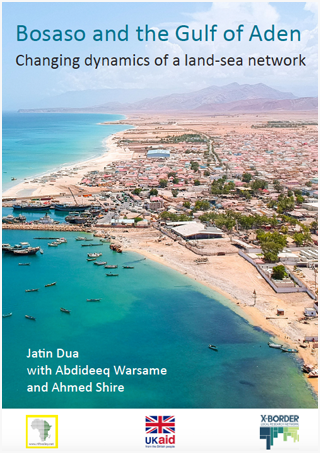
Bosaso and the Gulf of Aden: Changing dynamics of a land-sea network is the second report in a series looking at the relationship between modern-day Puntland, a semi-autonomous region of north-east Somalia, Yemen and the wider Gulf region. It…
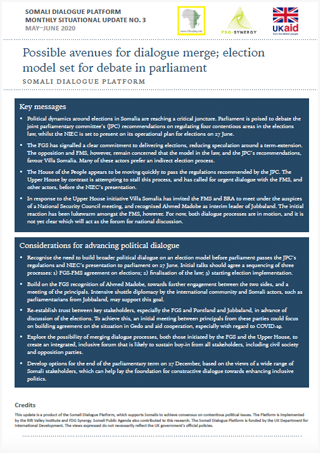
The third update from RVI’s Somali Dialogue Platform project examines political dynamics around elections in Somalia and considerations for advancing dialogue to reach consensus. The update is a product of the Somali Dialogue Platform, which supports Somalis to achieve consensus on…
Recent Publications

Writing Ethiopia into the World, Writing the World from Ethiopia
October 7, 2026
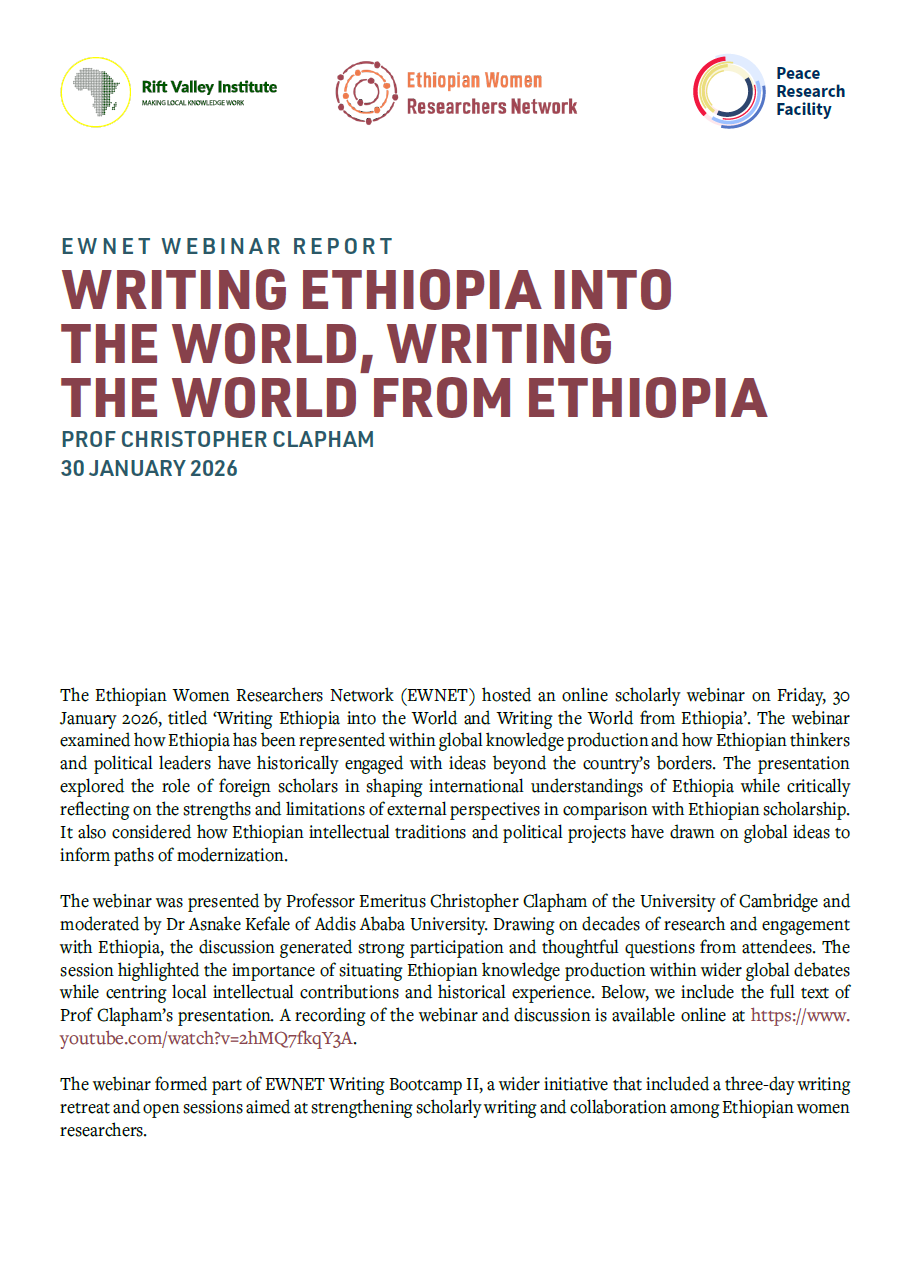
The Ethiopian Women Researchers Network (EWNET) hosted an online scholarly webinar on Friday, 30 January 2026, titled ‘Writing Ethiopia into the World and Writing the World from Ethiopia’. The webinar examined how Ethiopia has been represented within global knowledge production
The Political Economy of Coffee in the Kaffa–Bench-Sheko–Sheka Belt, Southwest Ethiopia Region
October 6, 2026
This study provides a critical political economy analysis of the coffee sector in the Kaffa–Bench-Sheko–Sheka belt in Southwest Ethiopia Peoples’ Regional State, the genetic and cultural heartland of Arabica coffee (Coffea arabica). Based on 47 key respondent interviews, the study
The Political Economy of Coffee in the Jimma–Ilu Aba Bora–Buno Bedele Belt, Oromia Region
October 5, 2026
The findings of this study reveal a number of critical insights about the political economy of coffee in the Jimma–Ilu Aba Bora–Buno Bedele coffee belt. The coffee economy is shaped by a small number of influential actors, including state institutions,