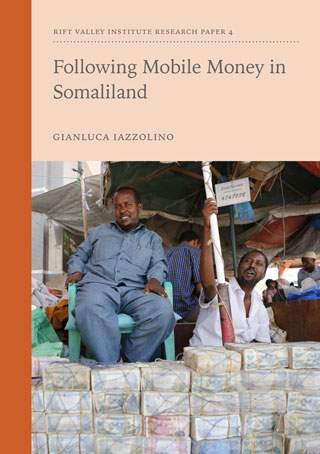
‘This study provides an interesting and unusual insight into the state-building process in Somaliland. Taking Zaad—our everyday companion here in Somaliland—Iazzolino explores the intricate nature of private and public sector relations. Vividly mapping the landscape of the mobile money…
RVI publishes books, research reports, research papers, briefings and meeting reports in a range of formats. Publications cover policy, research, arts, culture and local knowledge in the countries of eastern and central Africa. Research publications—books, reports and papers—are peer-reviewed. Some RVI publications are also available in French and/or Arabic.
The RVI is a signatory of the Budapest Open Access Initiative (2001); all publications are free for download in PDF format under Creative Commons licences. The views expressed in books and reports published by the RVI are those of the authors, not the Institute.
SEARCH
PUBLICATION TYPE
LANGUAGE
REGION
COUNTRY
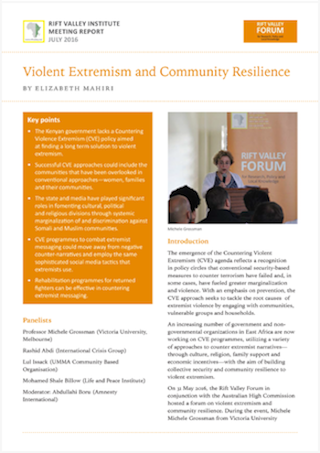
By Liz Mahiri Key points Panelists Professor Michele Grossman (Victoria University, Melbourne) Rashid Abdi (International Crisis Group) Lul Issack (UMMA Community Based Organisation) Mohamed Shale Billow (Life and Peace Institute) Moderator: Abdullahi Boru (Amnesty International) Introduction The emergence…
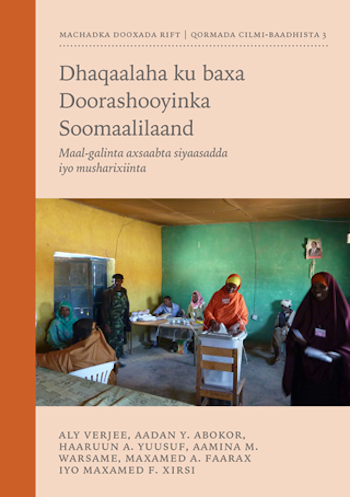
‘Xogta ku jirta warbixntu waa dhab iyo ‘xaqiiqo’…waxa jira wax badan oo arintan laga baranayo.’ SUCAAD IBRAAHIM, PROGRESSIO, SOOMAALILAAND ‘Daraasaddani waa mid gaar ah sababtuna waa su’aasha laga duulayo, waxana taa kasii muhiimsan, waa jiritaanka iyo muhiimadda wixii ka…
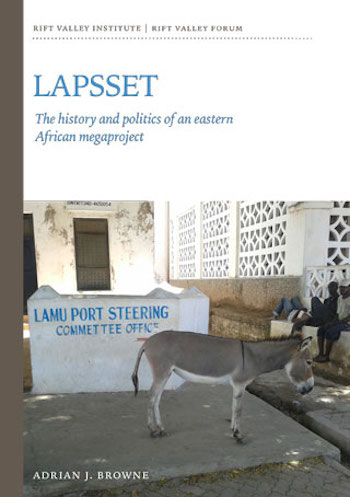
‘This study is in-depth, up-to-date and the first of its kind on a massive infrastructure development project in the region, examining its history, politics, evolution, the emergence of actors and interests and effects on the poor and marginalized. It…
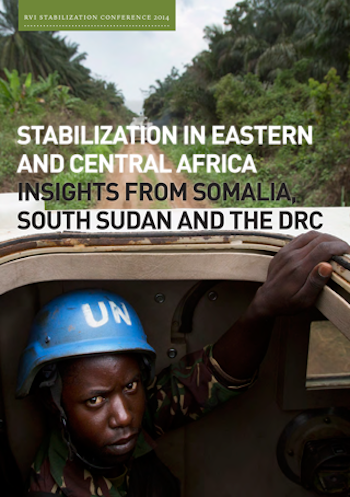
‘The conference has put into perspective what stabilization means in South Sudan as opposed to what it means in Somalia and in the DRC. And putting my own insights on stabilization alongside those of the speakers here has given…
‘Waa sheeko ka mid ah kuwii ugu xiisaha badnaa ee aan la kulmo, oo ka warramaysa waayoaragnimada qurbaawi Soomaali ah, oo ka raadsanaya meel kale, nolol aayatiin dhaanta tan aan xasilloonayn ee geyiga Soomaalida. Akhriskeedu waxa uu ii noqdey…
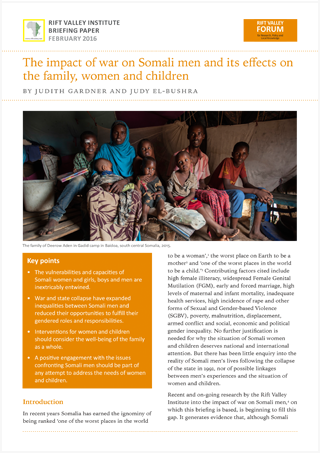
In recent years Somalia has earned the ignominy of being ranked ‘one of the worst places in the world to be a woman’, the worst place on Earth to be a mother and ‘one of the worst places in the world…
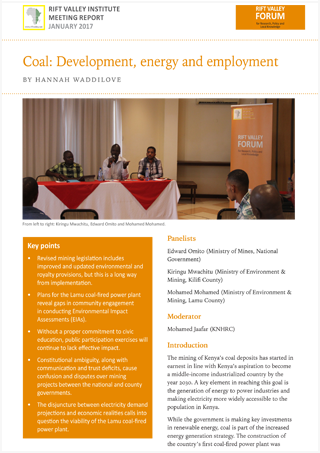
The mining of Kenya’s coal deposits has started in earnest in line with Kenya’s aspiration to become a middle-income industrialized country by the year 2030. A key element in reaching this goal is the generation of energy to power…
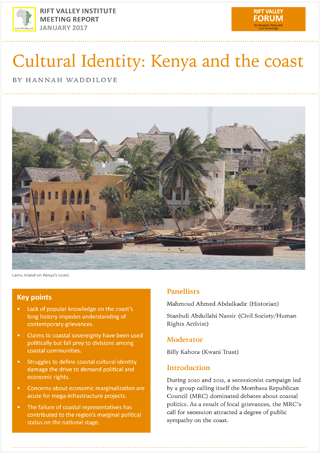
During 2010 and 2011, a secessionist campaign led by a group calling itself the Mombasa Republican Council (MRC) dominated debates about coastal politics. As a result of local grievances, the MRC’s call for secession attracted a degree of public…
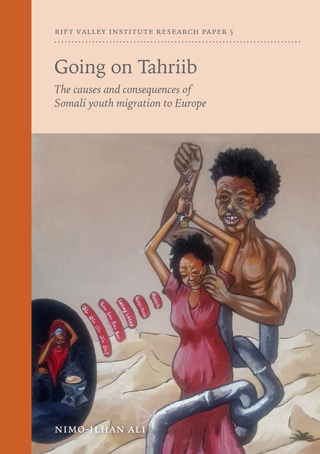
‘An enlightening exposé of the motives and societal pressures that spur irregular migration, in this particular case, from Somaliland and Puntland. This study could not be timelier given that people smugglers and migrant traffickers have proven themselves to be…
Recent Publications

Writing Ethiopia into the World, Writing the World from Ethiopia
October 7, 2026
The Ethiopian Women Researchers Network (EWNET) hosted an online scholarly webinar on Friday, 30 January 2026, titled ‘Writing Ethiopia into the World and Writing the World from Ethiopia’. The webinar examined how Ethiopia has been represented within global knowledge production
The Political Economy of Coffee in the Kaffa–Bench-Sheko–Sheka Belt, Southwest Ethiopia Region
October 6, 2026
This study provides a critical political economy analysis of the coffee sector in the Kaffa–Bench-Sheko–Sheka belt in Southwest Ethiopia Peoples’ Regional State, the genetic and cultural heartland of Arabica coffee (Coffea arabica). Based on 47 key respondent interviews, the study
The Political Economy of Coffee in the Jimma–Ilu Aba Bora–Buno Bedele Belt, Oromia Region
October 5, 2026
The findings of this study reveal a number of critical insights about the political economy of coffee in the Jimma–Ilu Aba Bora–Buno Bedele coffee belt. The coffee economy is shaped by a small number of influential actors, including state institutions,