SUMMARY • Despite its predominantly Muslim surrounding area, Jimma is one of the most heterogeneous cities in Ethiopia’s Oromia region. Unlike other Ethiopian cities and towns, Jimma has not seen any major inter-religious or -ethnic clashes since the fall…
RVI publishes books, research reports, research papers, briefings and meeting reports in a range of formats. Publications cover policy, research, arts, culture and local knowledge in the countries of eastern and central Africa. Research publications—books, reports and papers—are peer-reviewed. Some RVI publications are also available in French and/or Arabic.
The RVI is a signatory of the Budapest Open Access Initiative (2001); all publications are free for download in PDF format under Creative Commons licences. The views expressed in books and reports published by the RVI are those of the authors, not the Institute.
SEARCH
PUBLICATION TYPE
LANGUAGE
REGION
COUNTRY
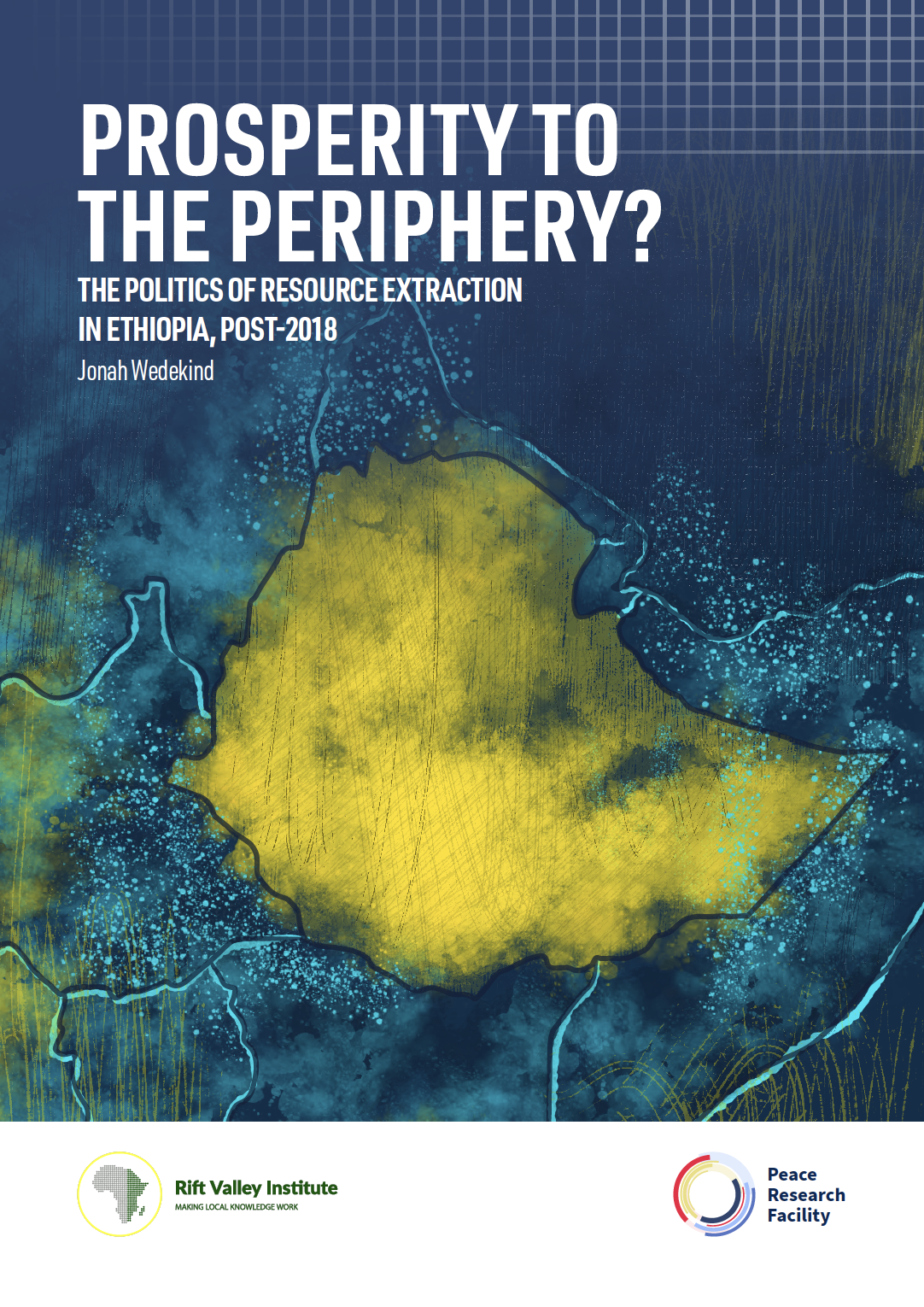
THE POLITICS OF RESOURCE EXTRACTION IN ETHIOPIA, POST-2018 SUMMARY • With the formation of the Prosperity Party (PP) in 2019, Abiy Ahmed’s government set out to redress the relationship between the central government and ‘peripheral’ regional states. This included…
Introduction On 27 May 2023, Somalia’s National Consultative Council (NCC) agreed on elections at both a federal and state level.1 Unified local council elections were envisaged to start at district-level elections across all Federal Member States (FMSs) in June…
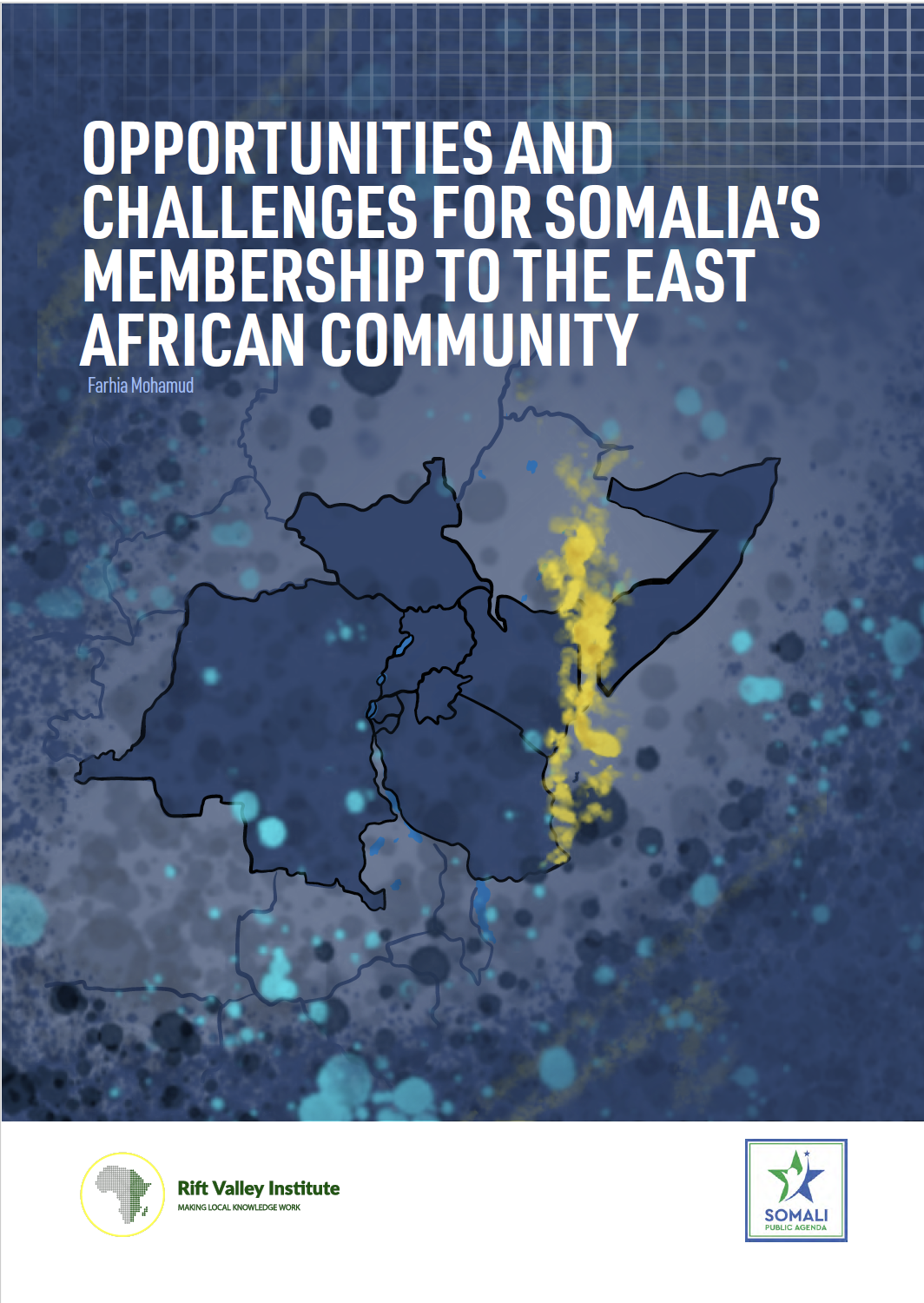
EXECUTIVE SUMMARY With Somalia’s official entry into the East African Community (EAC) on 24 November 2023, this paper intends to present and analyse the challenges and opportunities its integration might have. Thus, the study uses primary data collected from…
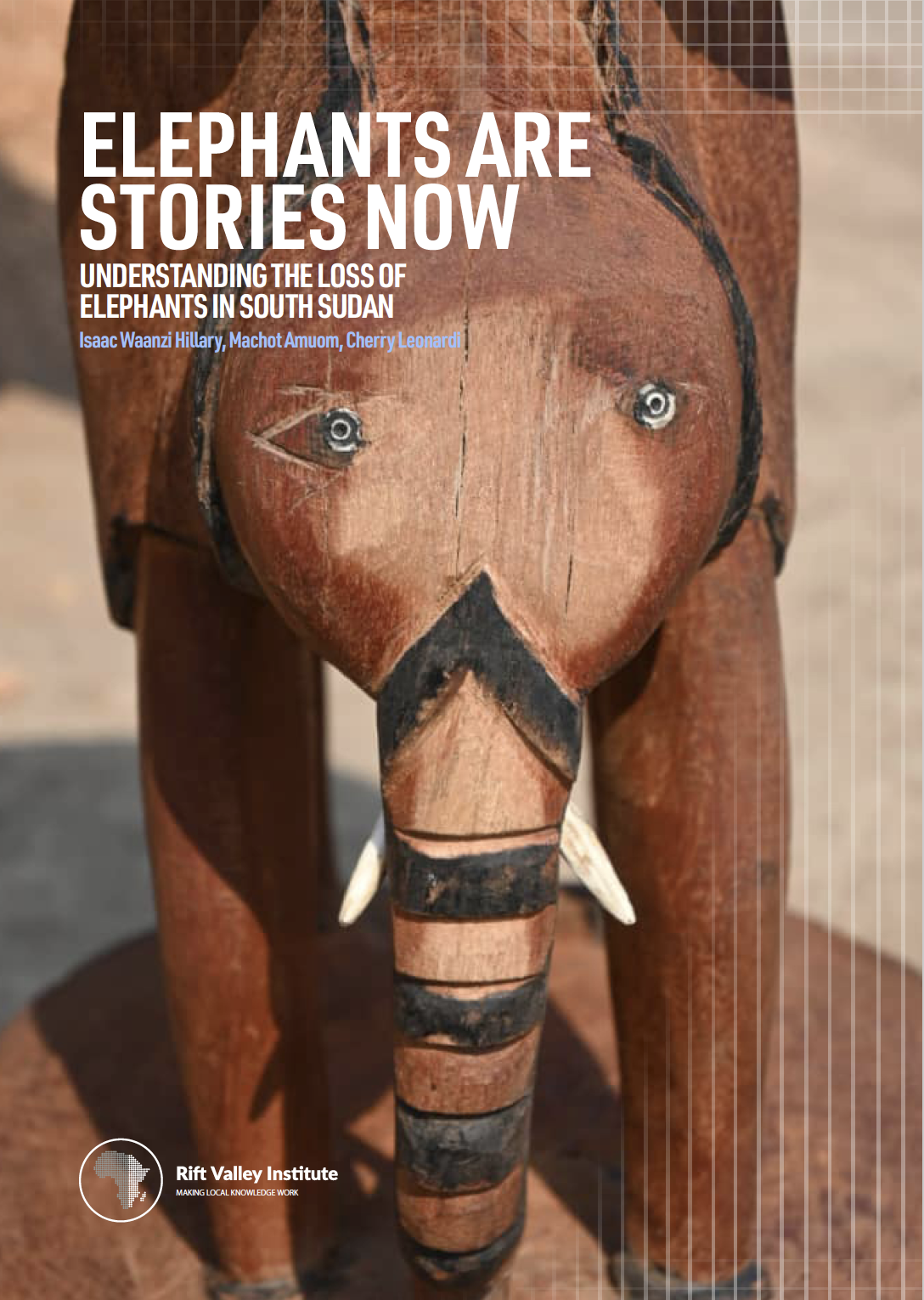
UNDERSTANDING THE LOSS OF ELEPHANTS IN SOUTH SUDAN Introduction Elephants are iconic animals in South Sudan, featuring on bank notes and state flags and in many myths and sayings. ‘When the elephants fight, the grass suffers’ is one example…
Executive summary This policy paper assesses the revised National Security Architecture (NSArch) in Somalia, pinpointing critical deficiencies and presenting policy recommendations to fortify the national security framework. Central to this analysis are questions surrounding the effectiveness of the NSArch,…
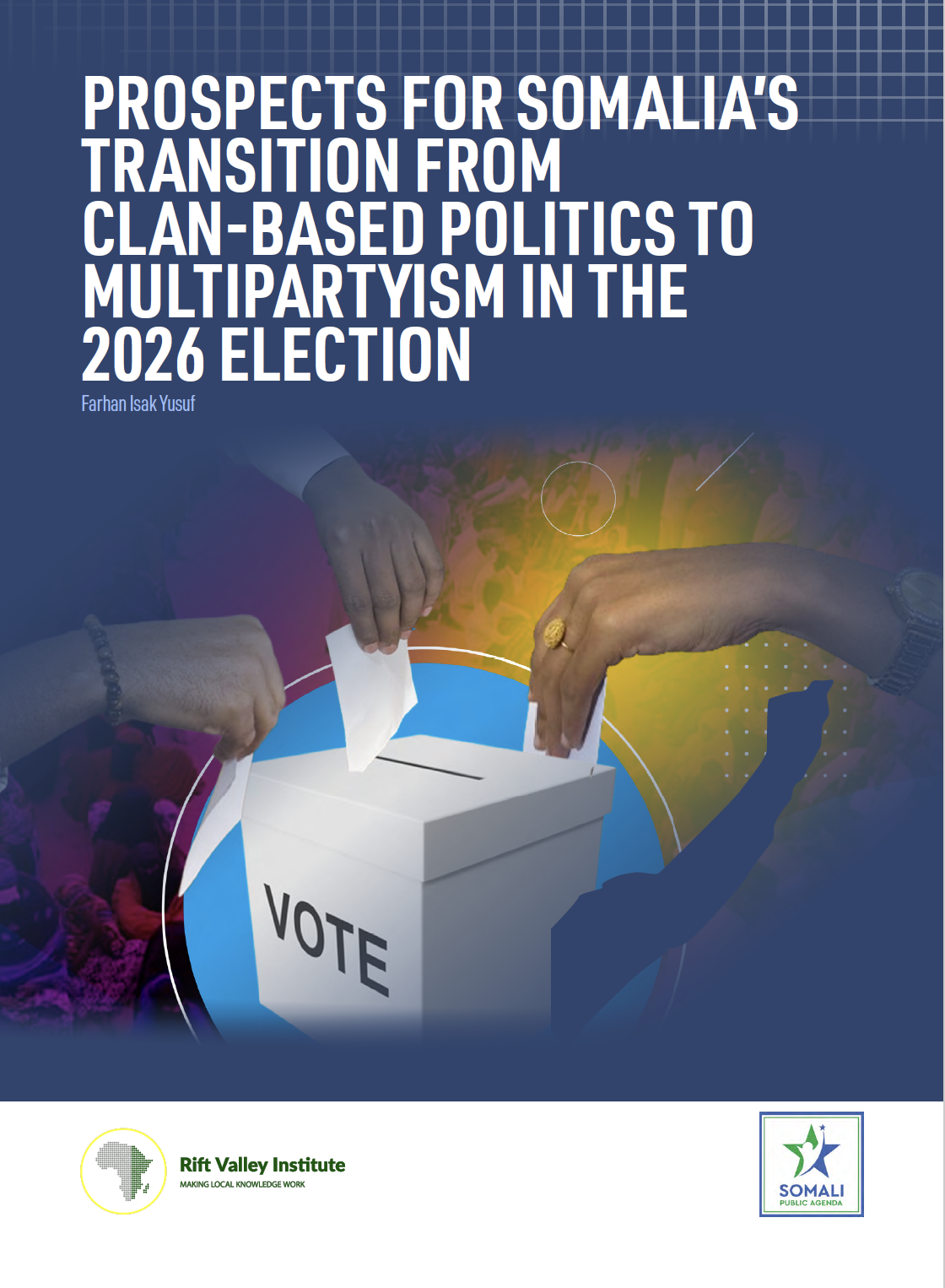
EXECUTIVE SUMMARY This paper explores the possibilities of Somalia’s transition from a clan-based system of the allocation of political authority to multipartyism. In so doing, the paper adopted qualitiative methods of data collection and analysis. The paper shows that…
On 24 January, Somalia’s Federal Parliament approved the ‘Adoption Procedure for Constitutional Amendment’ in a joint session of the House of the People and the Upper House. The five-page procedure consists of eight articles. Articles three, four, and five…
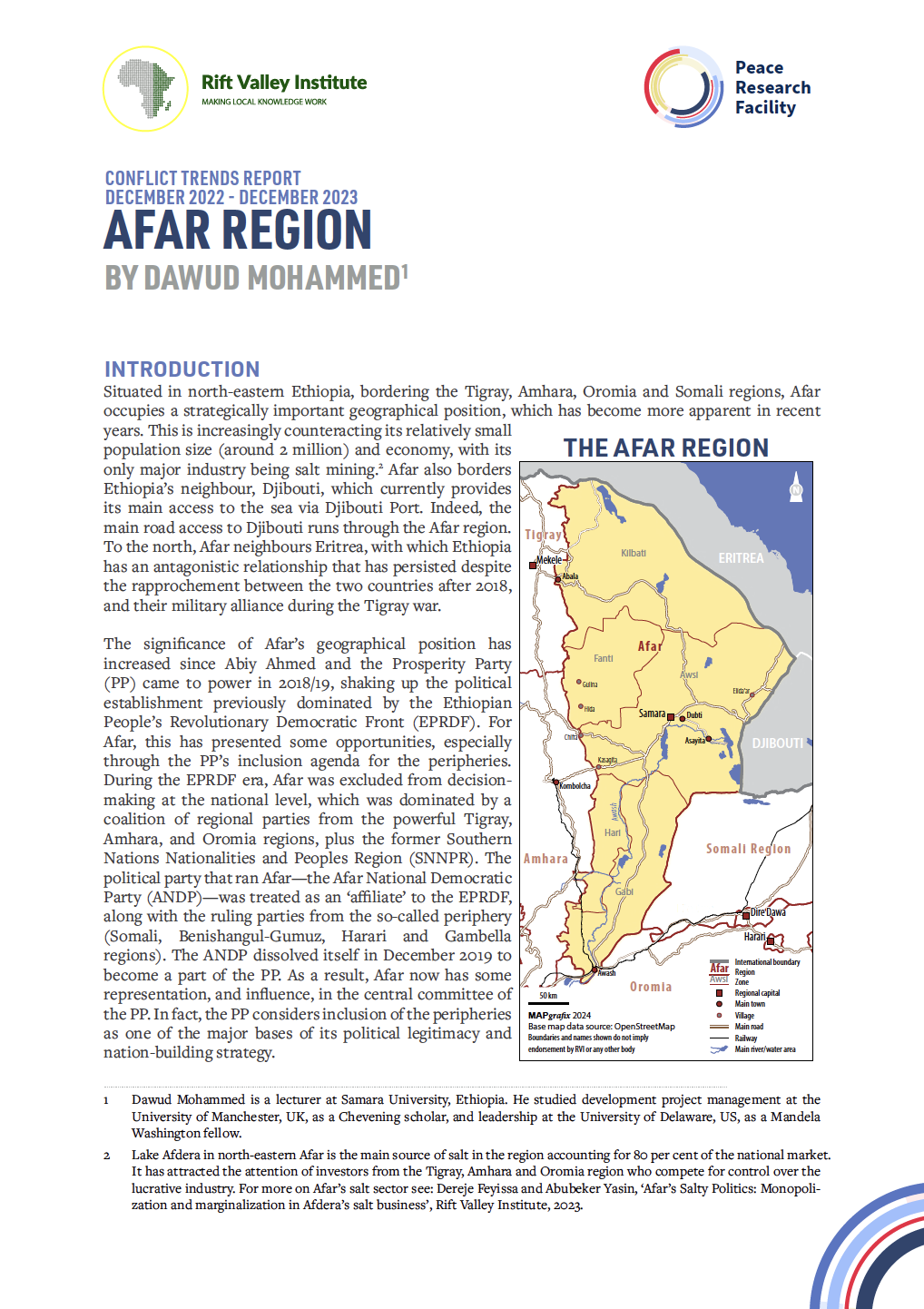
INTRODUCTION Situated in north-eastern Ethiopia, bordering the Tigray, Amhara, Oromia and Somali regions, Afar occupies a strategically important geographical position, which has become more apparent in recent years. This is increasingly counteracting its relatively small population size (around 2…
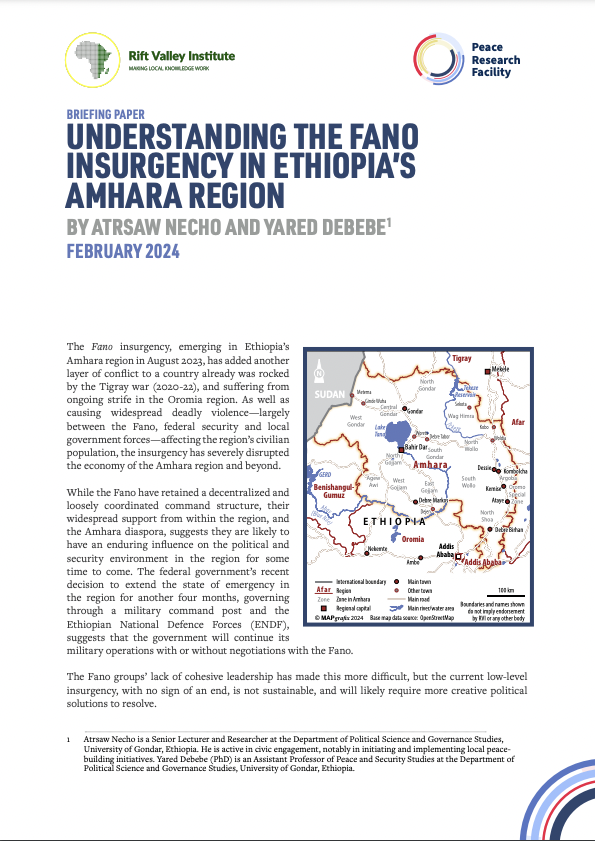
The Fano insurgency, emerging in Ethiopia’s Amhara region in August 2023, has added another layer of conflict to a country already was rocked by the Tigray war (2020-22), and suffering from ongoing strife in the Oromia region. As well…
Recent Publications

The Political Economy of Coffee in the Sidama–Gedeo–Guji Belt, Southern Ethiopia
September 4, 2026
This report is part of a wider research project on the political economy of coffee in Ethiopia in the context of the political transition since 2018. It focuses on the Sidama–Gedeo–Guji coffee belt in southern Ethiopia, aiming to understand the
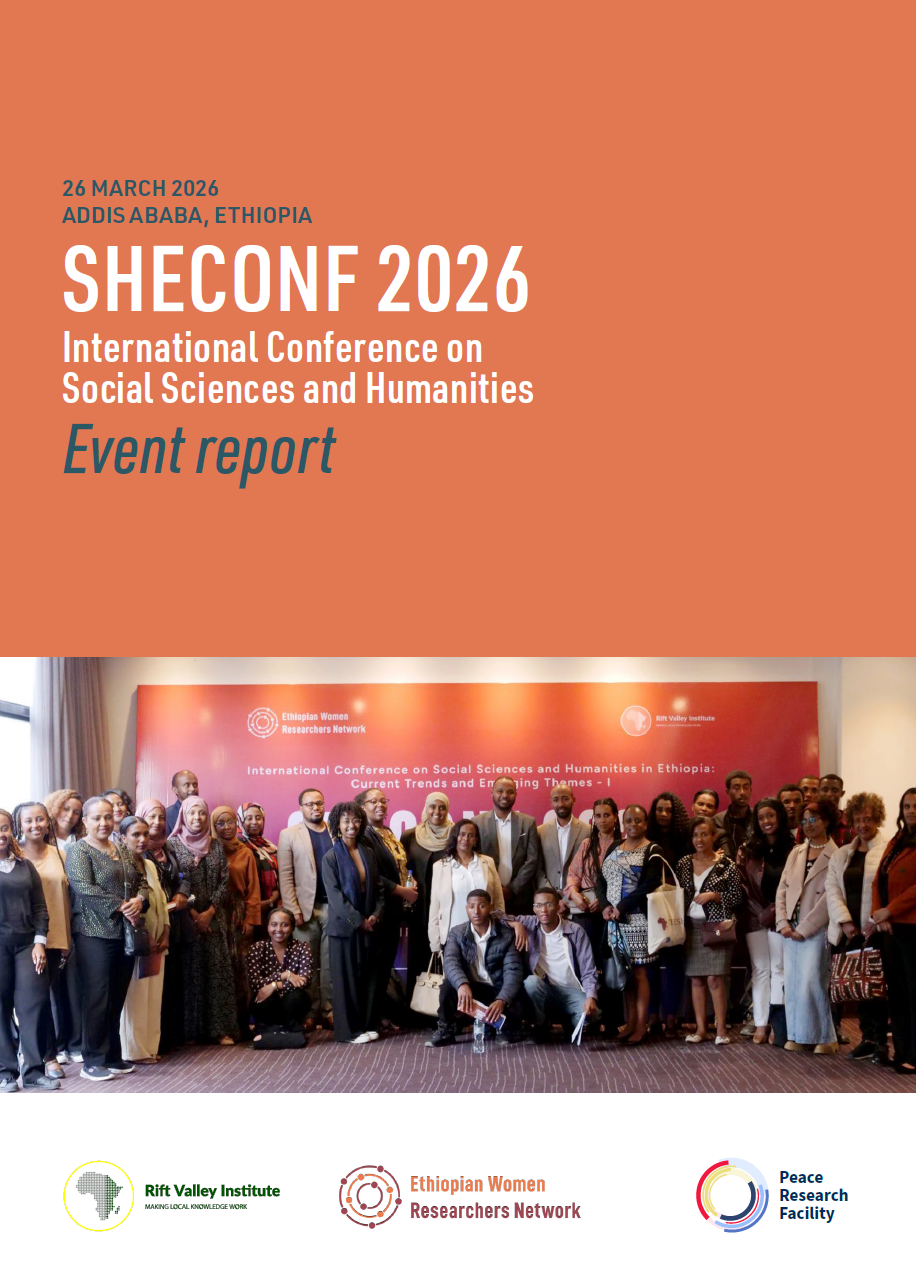
SHECONF 2026: International Conference on Social Sciences and Humanities
July 9, 2026
Event report On 26 March 2026, researchers, practitioners and academics gathered in Addis Ababa for SHECONF 2026, an International Conference on Social Sciences and Humanities in Ethiopia, the first of its kind convened by the Ethiopian Women Researchers Network (EWNET).
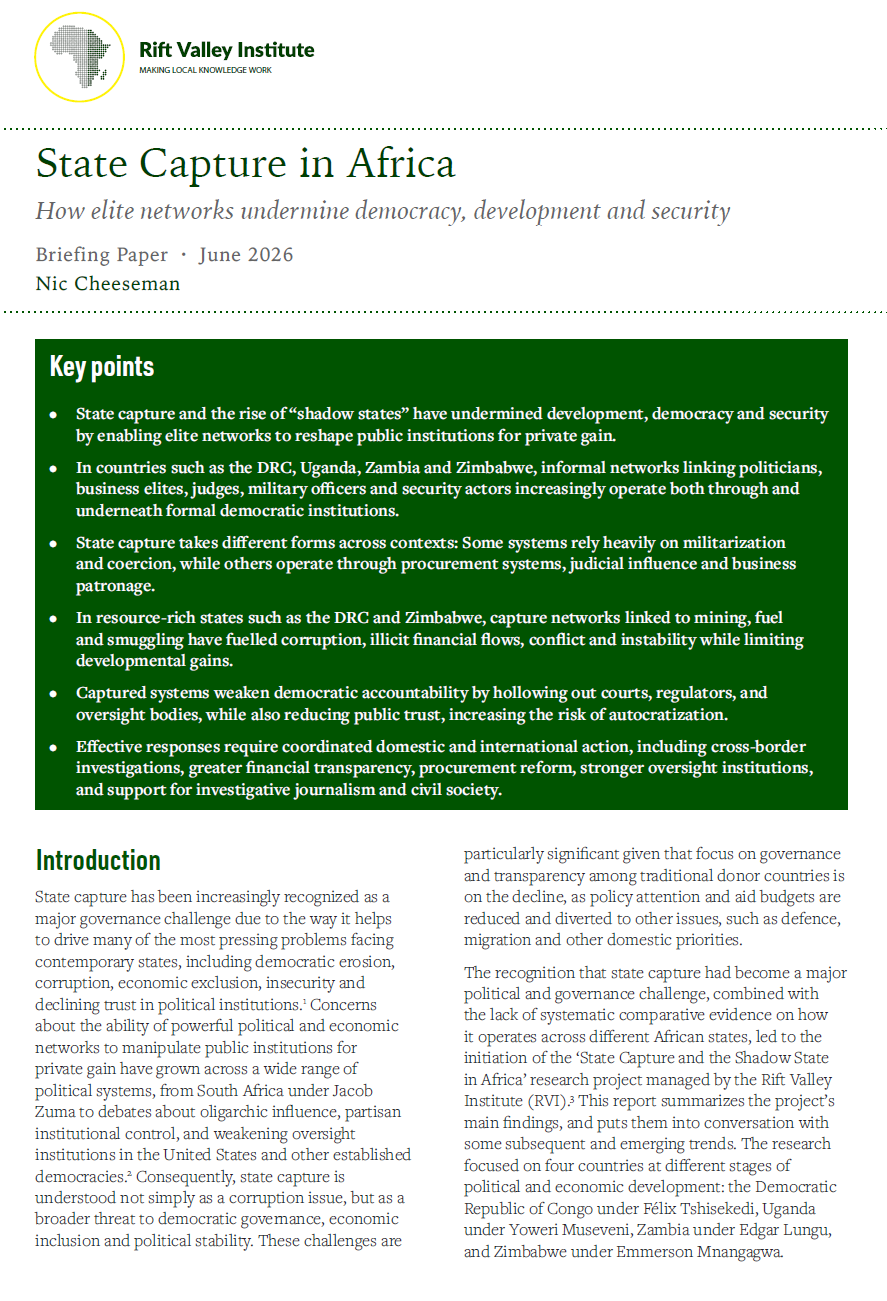
State Capture in Africa: How elite networks undermine democracy, development and security
June 24, 2026
Key points State capture has been increasingly recognized as a major governance challenge due to the way it helps to drive many of the most pressing problems facing contemporary states, including democratic erosion, corruption, economic exclusion, insecurity and declining trust