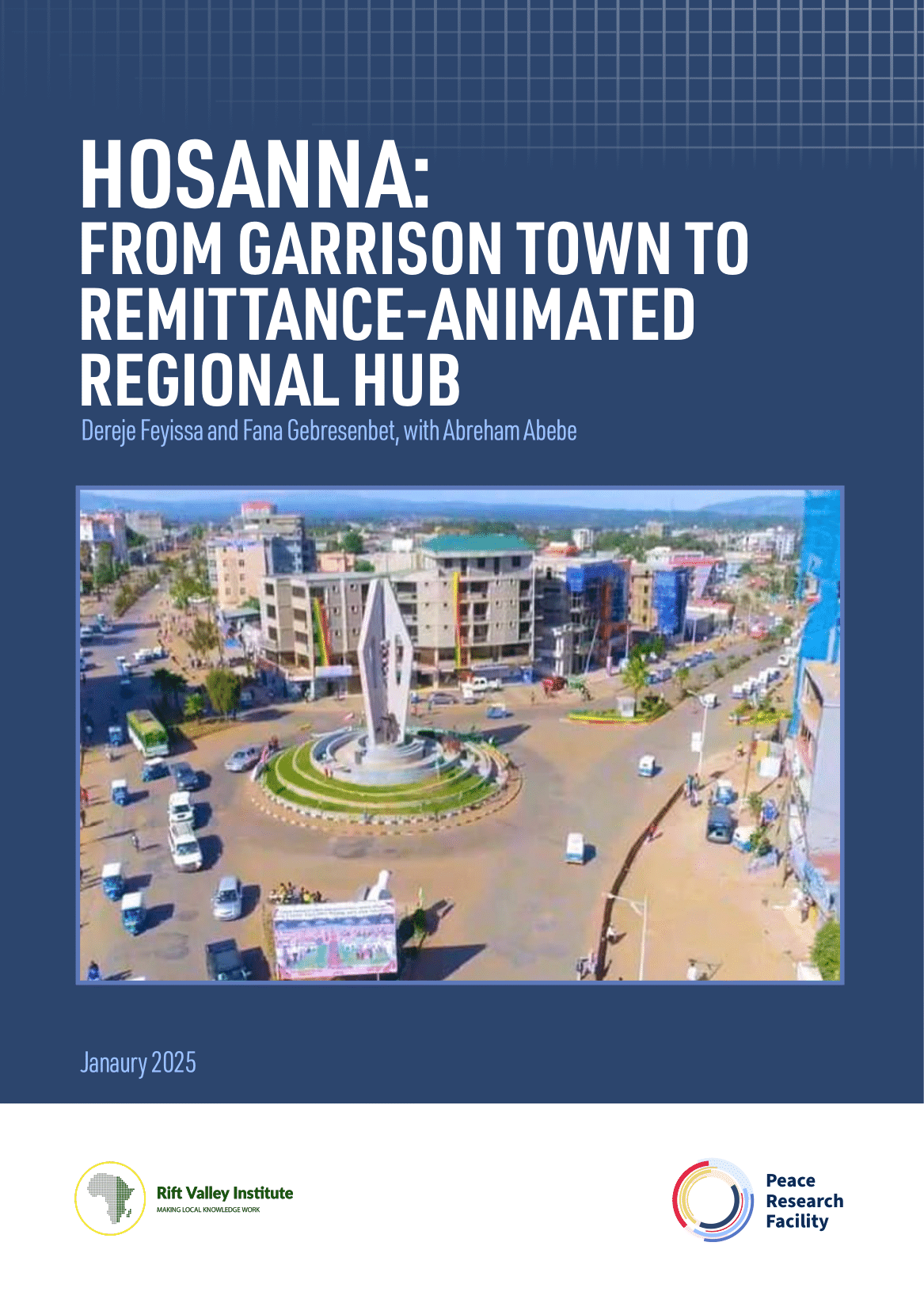
Dereje Feyissa and Fana Gebresenbet, with Abreham Abebe This report offers a case study of the contestation for ownership and control of key urban resources in Hosanna, located in the Hadiya zone of the newly formed Central Ethiopia Regional…
RVI publishes books, research reports, research papers, briefings and meeting reports in a range of formats. Publications cover policy, research, arts, culture and local knowledge in the countries of eastern and central Africa. Research publications—books, reports and papers—are peer-reviewed. Some RVI publications are also available in French and/or Arabic.
The RVI is a signatory of the Budapest Open Access Initiative (2001); all publications are free for download in PDF format under Creative Commons licences. The views expressed in books and reports published by the RVI are those of the authors, not the Institute.
SEARCH
PUBLICATION TYPE
LANGUAGE
REGION
COUNTRY
- By Youniyas Abdurahman Seliman
- Download
This blog explores how water scarcity affects women and girls, especially in their daily tasks, safety and health in Kakuma refugee camp, which is located in Kenya’s hot and semi-arid Turkana region. By Youniyas Abdurahman Seliman Introduction As climate…
- By Tamanji Logodi
- Download
The research for this blog found that locally led women’s microfinance groups provided financial security and opportunities for refugee women who could not get funds from banks or NGOs. By Tamanji Logodi Introduction Originally a temporary home for South…
Dire Dawa, the second-most populous city in Ethiopia, is known as a melting pot of ethnic, language and religious groups in the east of the country. In the aftermath of the 2018 national political transition, however, the city, which…
This report was written for the Ethiopia Peace Research Facility (PRF) and is part of its Knowledge for Peace (K4P) series on contested borderlands The PRF is an independent facility combining timely analysis on peace and conflict from Ethiopian…
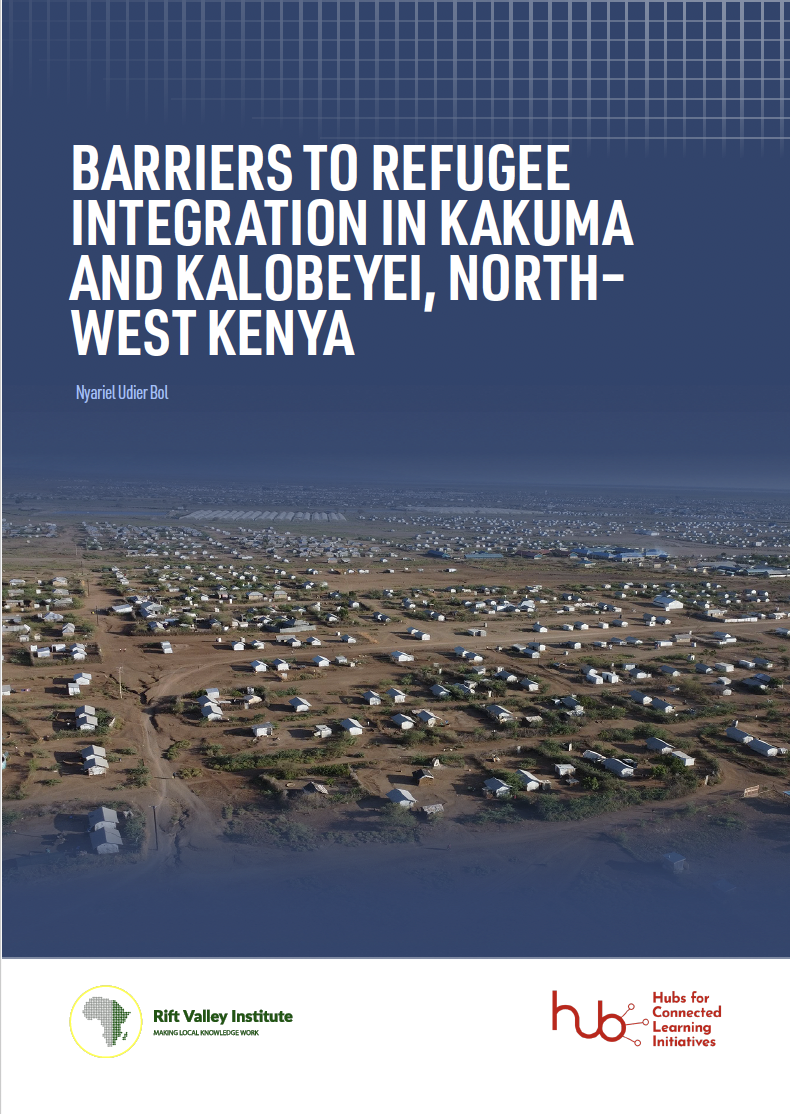
Why are the majority of refugees in Kakuma and Kalobeyei refugee camps in north–west Kenya resistant to the Kenyan government’s new official policy of integration with the local community? This paper explores this question through personal interviews and focus…
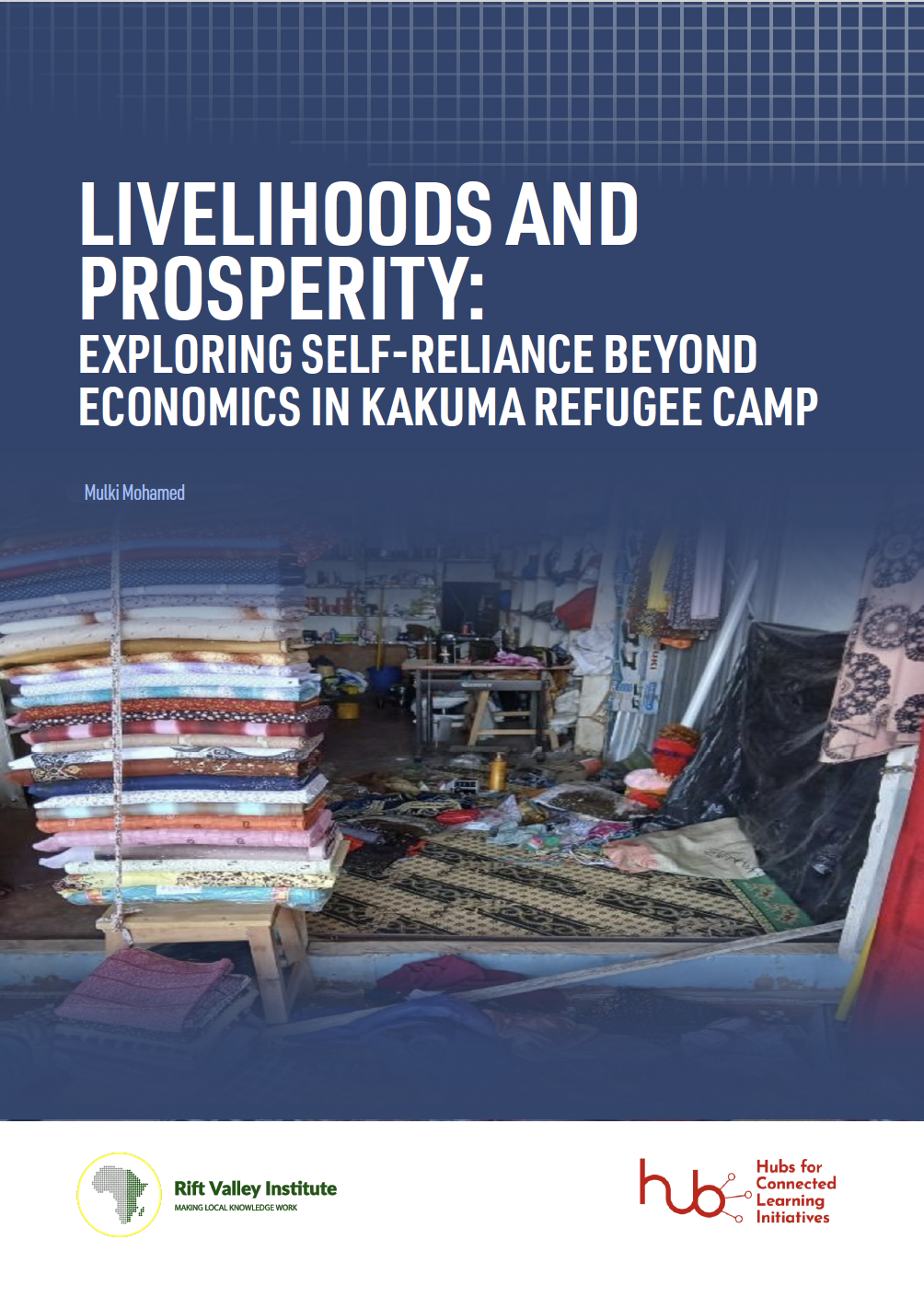
This paper explores how agency and livelihoods are articulated and shaped in the overall picture of refugee life as a whole, specifically in Kakuma refugee camp in north-western Kenya. It digs into the details of how refugees exercise self-reliance,…
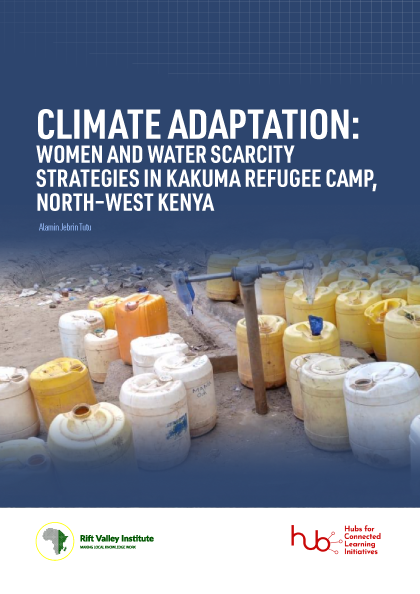
This paper investigates the coping and adaptation strategies used by women in Kakuma refugee camp in response to water scarcity, a pressing issue worsened by climate change. Qualitative data collection methods, including focus group discussions, interviews and observations, were…
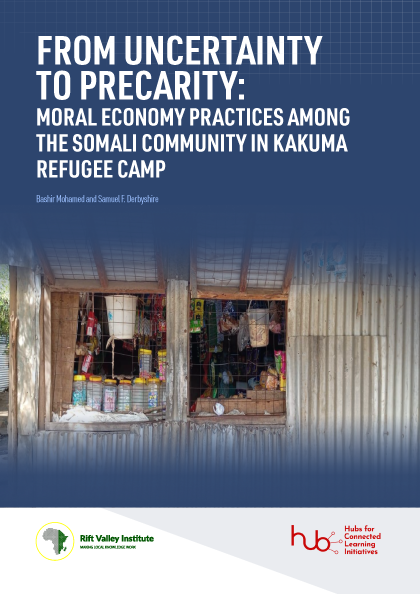
This paper explores how precarity shapes life for Somali refugees in Kakuma refugee camp, north–western Kenya. Contrasting contemporary precarity with the uncertainty that previously shaped livelihoods and social structures in Somali pastoralist communities back home, the study asks not…
- By Gelizako Juwiva Chrinjalinya
- Download
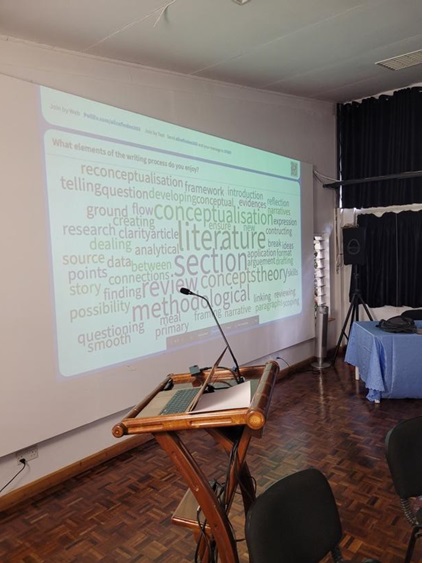
This blog reflects on the academic writing experiences of early career researchers in East Africa, building on discussions and writing diaries developed in the context of a British Academy-funded Writing Workshop in Nairobi (Kenya), in February 2024. The workshop encouraged participants…
Recent Publications

Writing Ethiopia into the World, Writing the World from Ethiopia
October 7, 2026
The Ethiopian Women Researchers Network (EWNET) hosted an online scholarly webinar on Friday, 30 January 2026, titled ‘Writing Ethiopia into the World and Writing the World from Ethiopia’. The webinar examined how Ethiopia has been represented within global knowledge production
The Political Economy of Coffee in the Kaffa–Bench-Sheko–Sheka Belt, Southwest Ethiopia Region
October 6, 2026
This study provides a critical political economy analysis of the coffee sector in the Kaffa–Bench-Sheko–Sheka belt in Southwest Ethiopia Peoples’ Regional State, the genetic and cultural heartland of Arabica coffee (Coffea arabica). Based on 47 key respondent interviews, the study
The Political Economy of Coffee in the Jimma–Ilu Aba Bora–Buno Bedele Belt, Oromia Region
October 5, 2026
The findings of this study reveal a number of critical insights about the political economy of coffee in the Jimma–Ilu Aba Bora–Buno Bedele coffee belt. The coffee economy is shaped by a small number of influential actors, including state institutions,