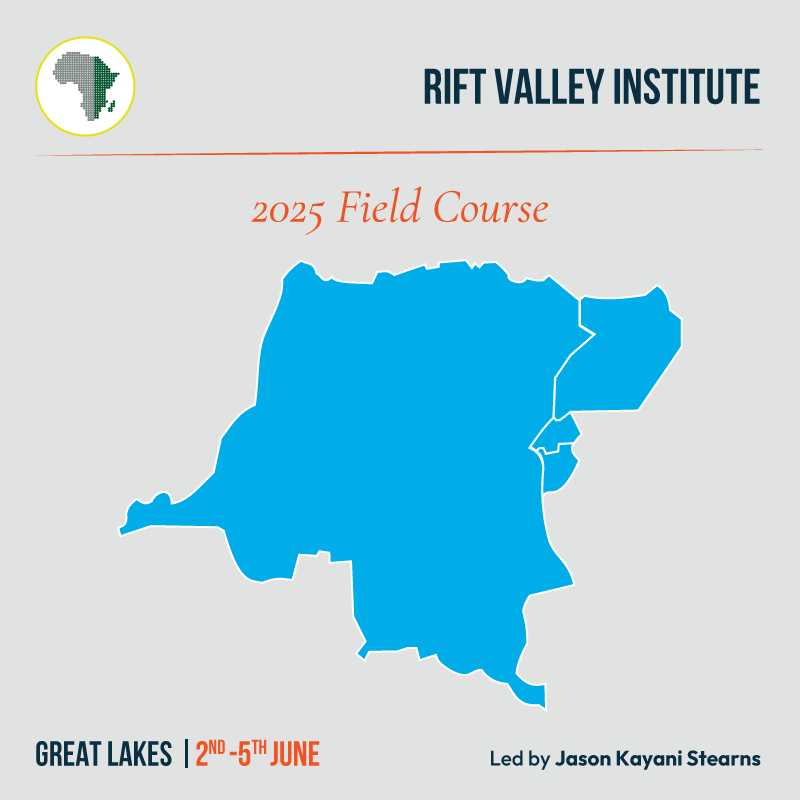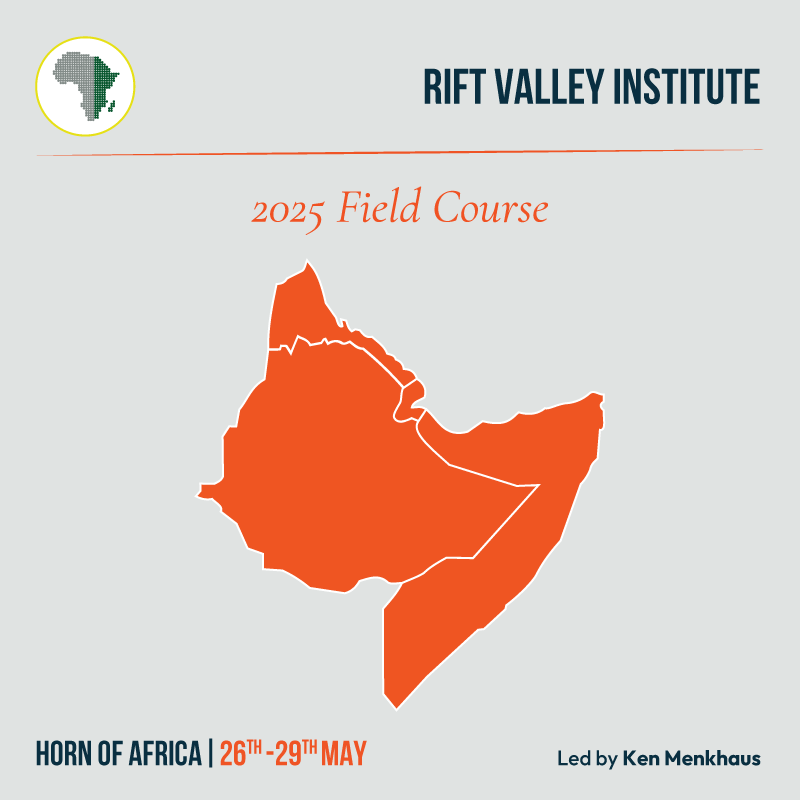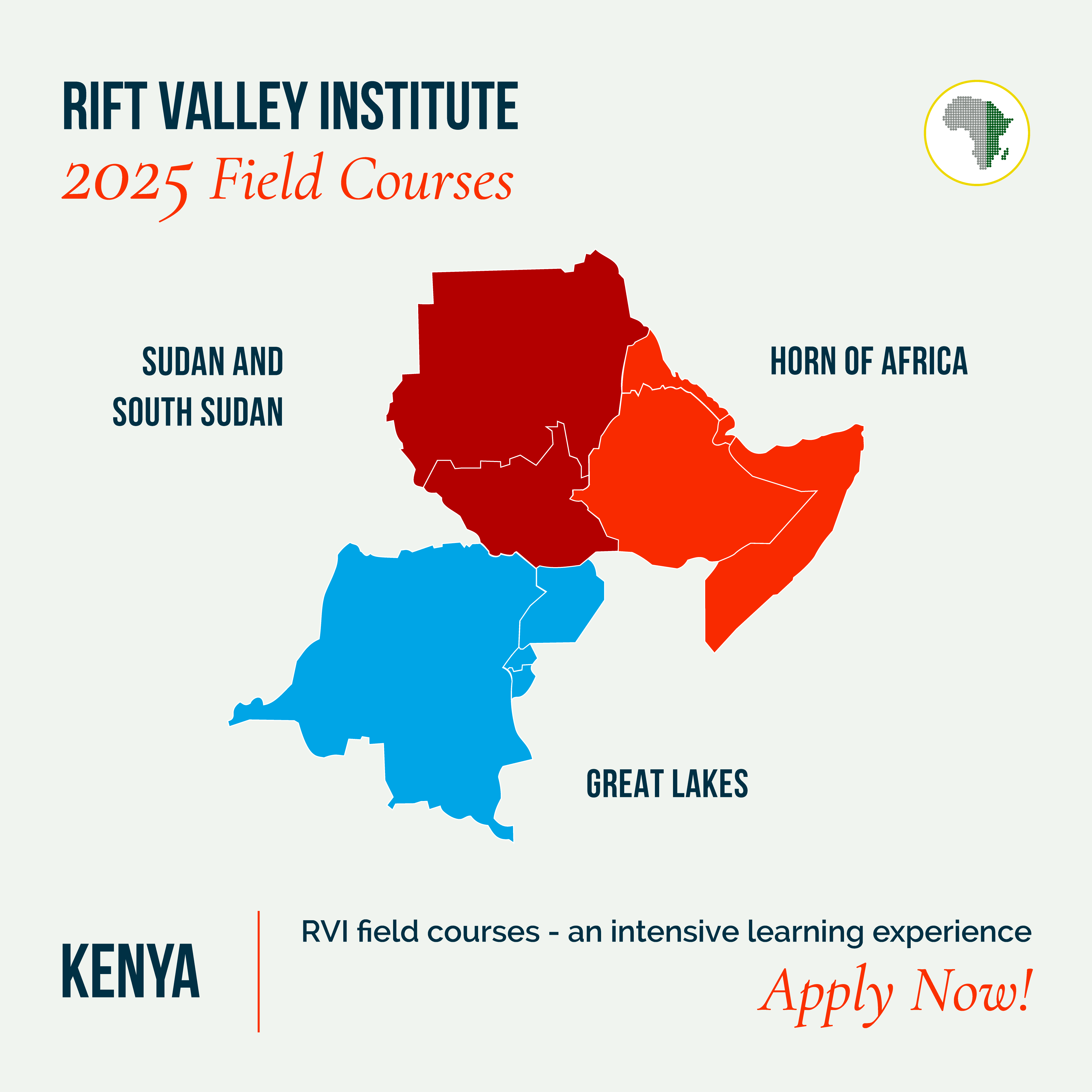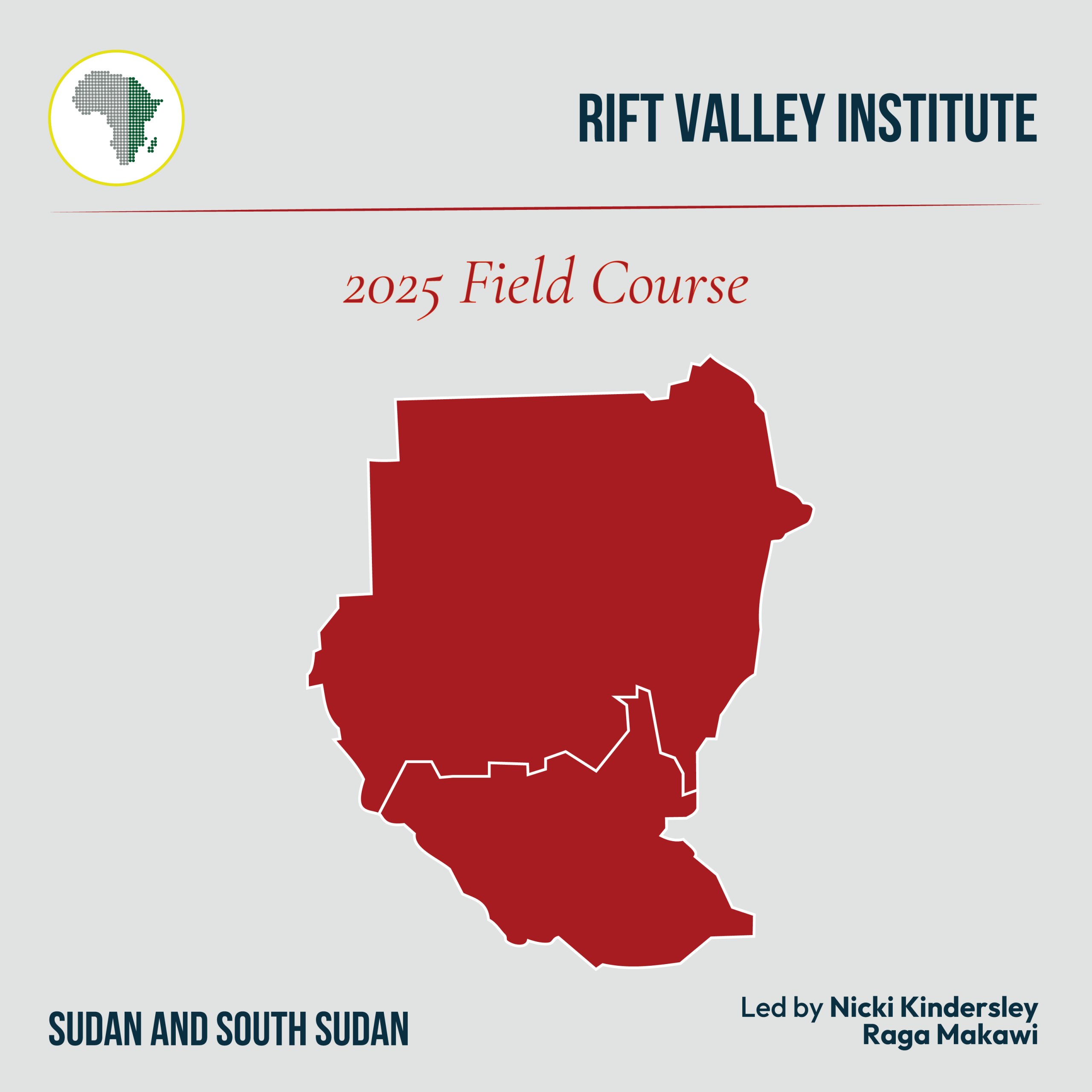
Note: Owing to unforeseen circumstances, the Sudan and South Sudan course has been postponed. Revised dates will be shared in due course. THEME: ‘WAR MAKES STATES AND STATES MAKE WAR’ Led by Nicki Kindersley and Raga Makawi Failed transitions, war…

Watch the trailer above to learn more about RVI’s field courses.
RVI Courses
RVI’s field-based education and training courses aim to inform key constituencies working in eastern and central Africa about the people and communities in the countries where they work. The education programme includes the Annual Field Courses on Sudan and South Sudan, the Horn of Africa, and the Great Lakes, and bespoke courses tailored for a variety of international organizations.
RVI’s first field course took place in 2004 in Kenya. Since then, the three annual courses have taken place in Burundi, Djibouti, Ethiopia, Kenya, southern Sudan and Uganda, while bespoke courses have taken place in more than 15 countries in Africa and in the UK.
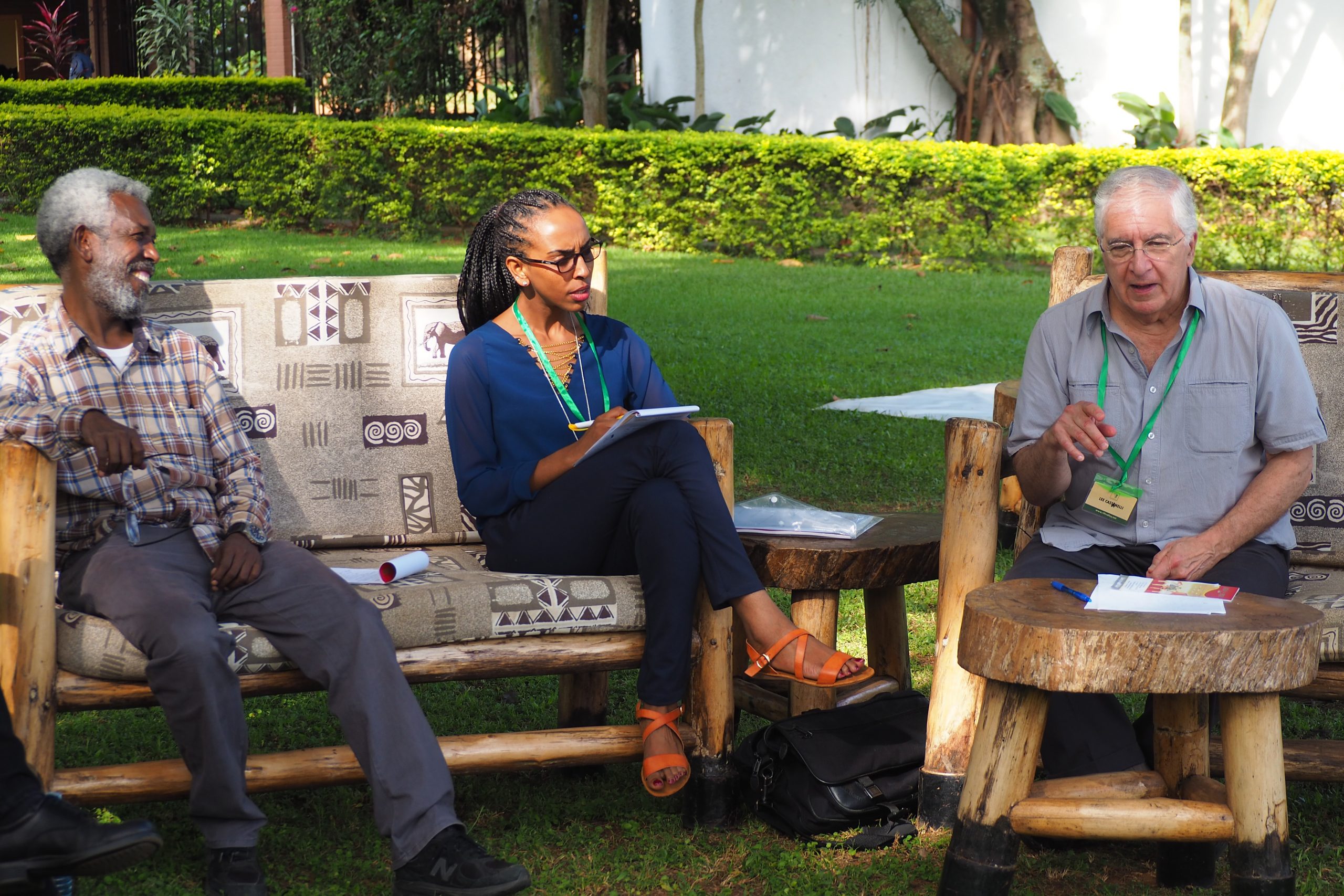
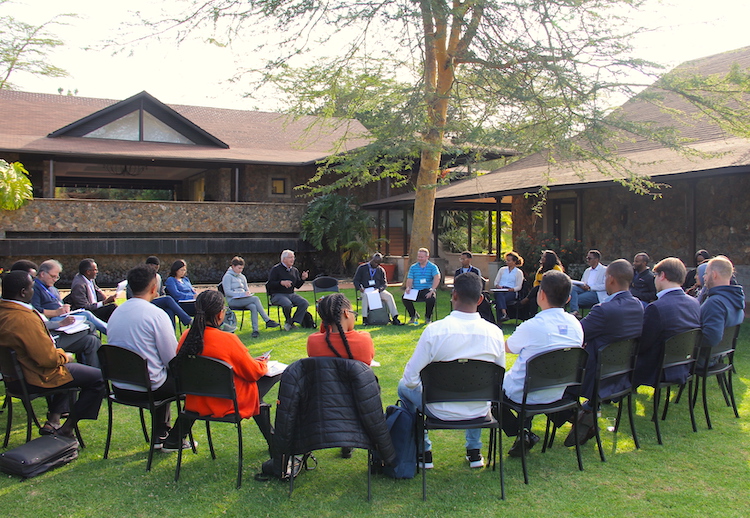
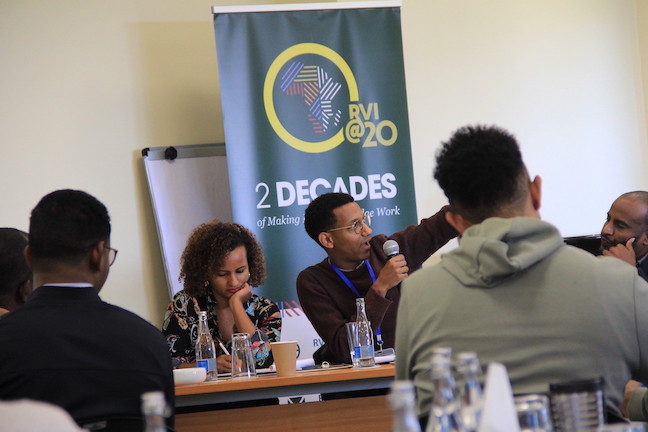
RVI courses are tailored to the needs of the organizations who participate and are taught be leading experts and practitioners in the fields of political science, economics, anthropology, history, security, development, humanitarianism, policymaking, media and activism. RVI courses utilize multiple teaching formats including lectures, panel discussion, working groups, interviews and video presentations.
Researcher Training
RVI is also committed to working with researchers from eastern and central Africa to develop skills, experience, and provide mentorship as participants pursue careers in the research sector. While researchers from east and central Africa play a central role in all RVI research projects, often authoring or co-authoring reports and papers, the Institute currently manages two projects that are specifically aimed at provided training for researchers from the region. The projects are the Research Communities of Practice project (RCoP), supported by the Carnegie Corporation; and the South Sudan Women’s Research Network (SSWRN), funded by the European Union in South Sudan. To find out more about these projects please visit RVI’s projects page.
More information on our courses and researcher training opportunities can be found below:

The findings of this study reveal a number of critical insights about the political economy of coffee in the Jimma–Ilu Aba Bora–Buno Bedele coffee belt. The coffee economy is shaped by a small number of influential actors, including state institutions,
A synthesis of three case studies in the Sidama–Gedeo–Guji, Kaffa–Bench-Sheko–Sheka and Jimma–Buno Bedele–Ilu Aba Bora belts SUMMARY The Ethiopia Peace Research Facility This report was written for the Ethiopia Peace Research Facility as part of its Knowledge for Peace series
This report is part of a wider research project on the political economy of coffee in Ethiopia in the context of the political transition since 2018. It focuses on the Sidama–Gedeo–Guji coffee belt in southern Ethiopia, aiming to understand the