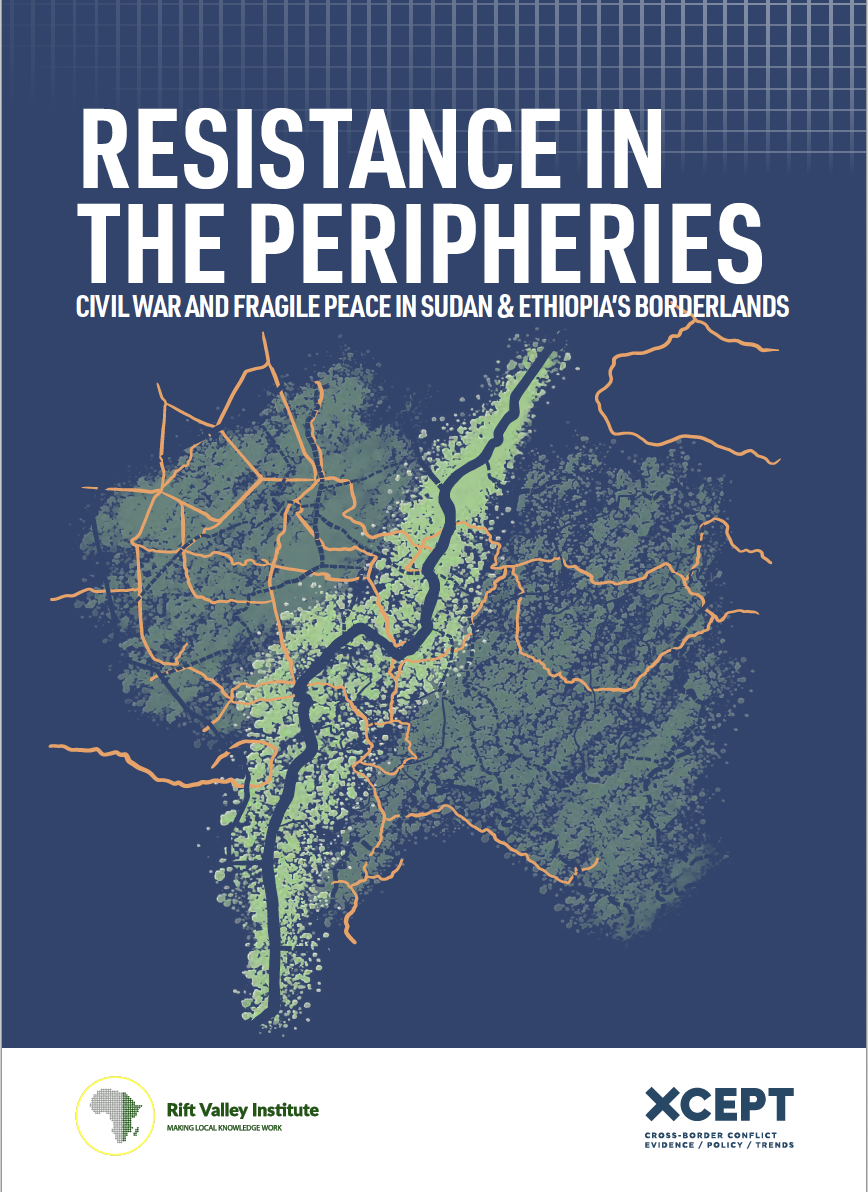
Summary • Historically, the people living along the Blue Nile – Benishangul-Gumuz borderlands in what is now Sudan and Ethiopia have been politically and socially marginalized within their respective political entities. As such they have sought ways to address…
RVI publishes books, research reports, research papers, briefings and meeting reports in a range of formats. Publications cover policy, research, arts, culture and local knowledge in the countries of eastern and central Africa. Research publications—books, reports and papers—are peer-reviewed. Some RVI publications are also available in French and/or Arabic.
The RVI is a signatory of the Budapest Open Access Initiative (2001); all publications are free for download in PDF format under Creative Commons licences. The views expressed in books and reports published by the RVI are those of the authors, not the Institute.
SEARCH
PUBLICATION TYPE
LANGUAGE
REGION
COUNTRY
HORDHAC Tan iyo 2012-kii, markii Dowladda Federaalka Soomaaliya ay beddeshay Dowladdii Federaalka Kumeelgaarka ahayd, Soomaaliya waxa ay isku dayday in ay ballaariso hannaanka lagusoo xulo hoggaanka iyadoo la aadayo nidaam dimoqraadi ah. Ilaa iyo hadda, horumarka laga gaaray doorasho…
OVERVIEW Since 2012, when the internationally recognized Federal Government of Somalia (FGS) replaced the Transitional Federal Government (TFG), Somalia has sought to expand its process for selecting its leaders towards more democratic forms. So far, progress towards universal suffrage…
This paper provides an analysis of the six-month conflict trends in Ethiopia’s Benishangul-Gumuz Regional State, particularly Metekel zone. As well as providing an overview of the conflict and its main actors, it also examines the political processes that have…
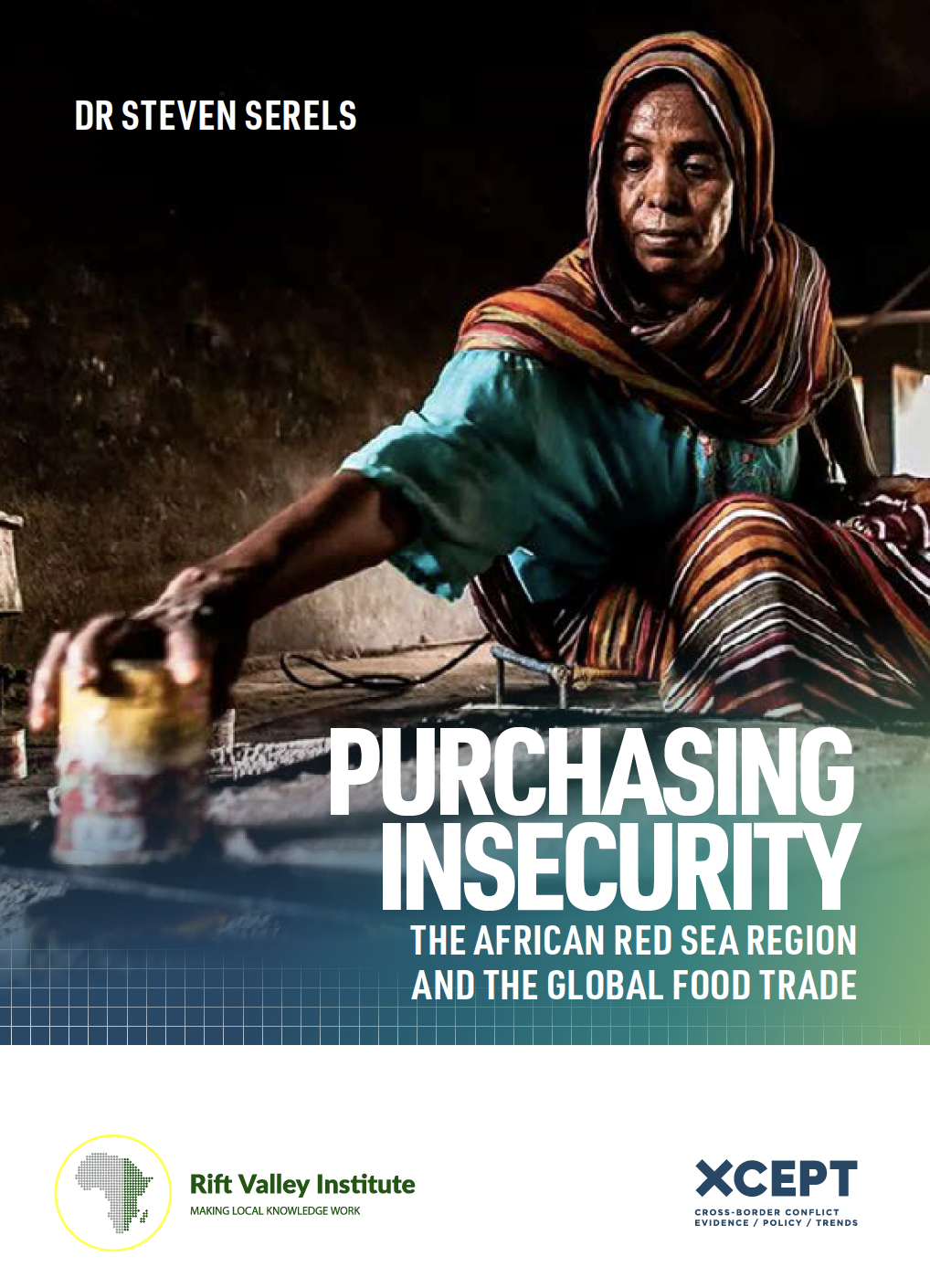
The African Red Sea Region does not produce enough food to feed its own population. Sudan, Eritrea, Ethiopia, Djibouti and Somaliland (Somalia) are each reliant on imports to make up for domestic production shortfalls. This presents unresolved challenges to…
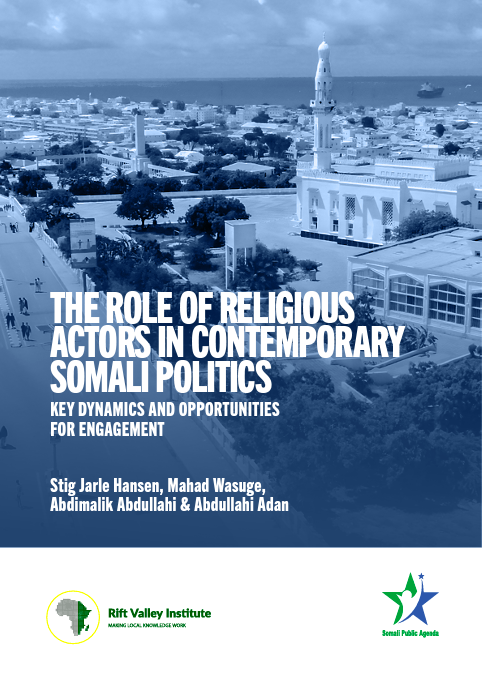
Religious actors play an important role in Somalia’s political landscape. Since the collapse of the Somali state in 1991, they have also demonstrated strong staying power when many non-religious actors have come and departed all too quickly. For many…
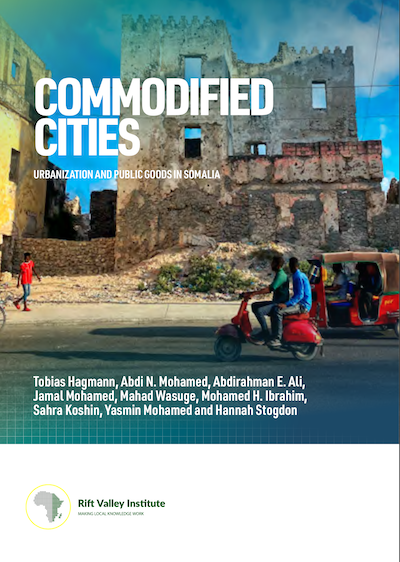
Urbanization in the Somali territories is transforming Somali society in multiple and profound ways, with the growth of urban centres and networks paralleled by new patterns of accumulation, investment, redistribution, inclusion and exclusion. While the perilous fragility of Somalia’s urban…
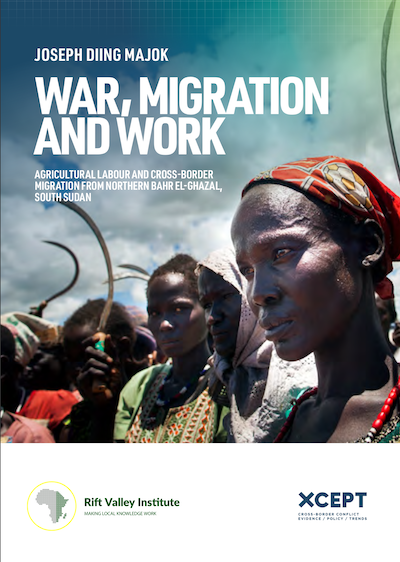
War, Migration and Work examines the history of labour migration and labour relations in present day South Sudan’s Baher El-Ghazal borderlands with Darfur and Kordofan (regions of present day Sudan). Beginning in the nineteenth century, the report charts the evolution…
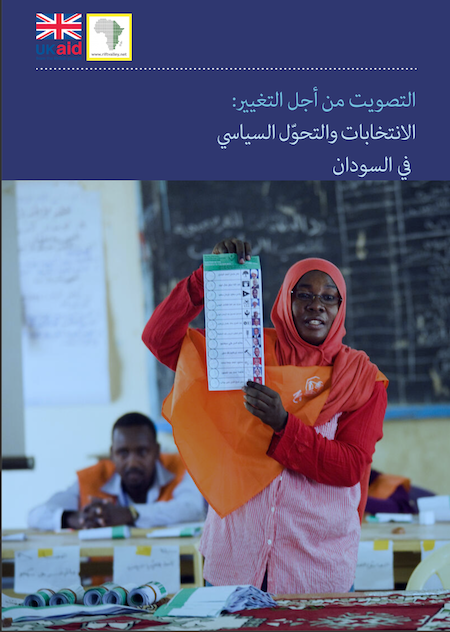
جاء تصميم العملية الانتقالية في السودان لتؤدي إلى – وتتقدم من خلال – انتخابات قومية تثبت نجاح ومصداقية الانتقال السياسي. لكن هذا الأمر ينطوي على مخاطر كبيرة. فقد تتعرض العملية الانتخابية، وخاصة نتائجها، للتشكيك والطعن من قبل أصحاب…
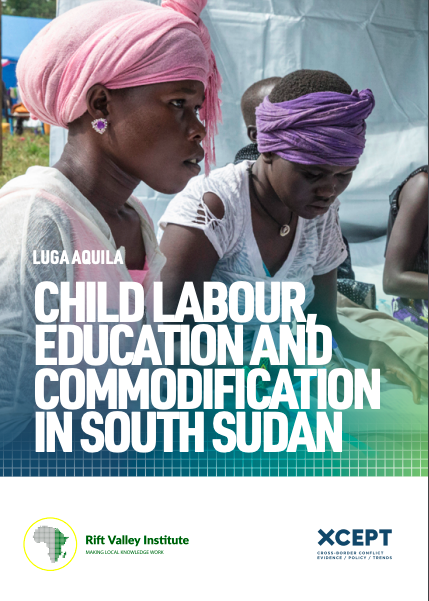
Until the latter part of the twentieth century, South Sudanese boys and girls grew food on household farms for their families to eat. Under this system, children’s work and education were hard to distinguish. Today, however, many boys and…
Recent Publications

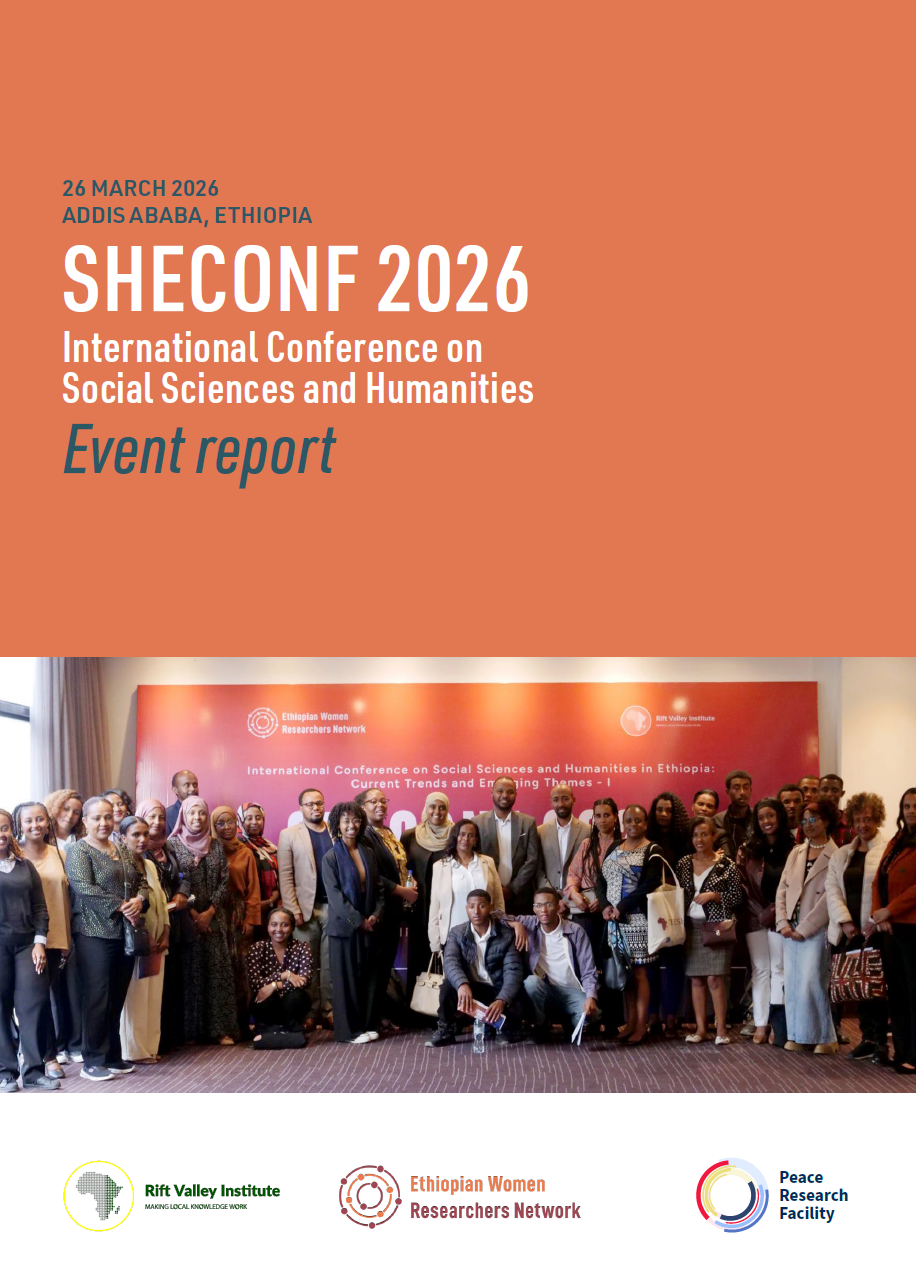
SHECONF 2026: International Conference on Social Sciences and Humanities
July 9, 2026
Event report On 26 March 2026, researchers, practitioners and academics gathered in Addis Ababa for SHECONF 2026, an International Conference on Social Sciences and Humanities in Ethiopia, the first of its kind convened by the Ethiopian Women Researchers Network (EWNET).
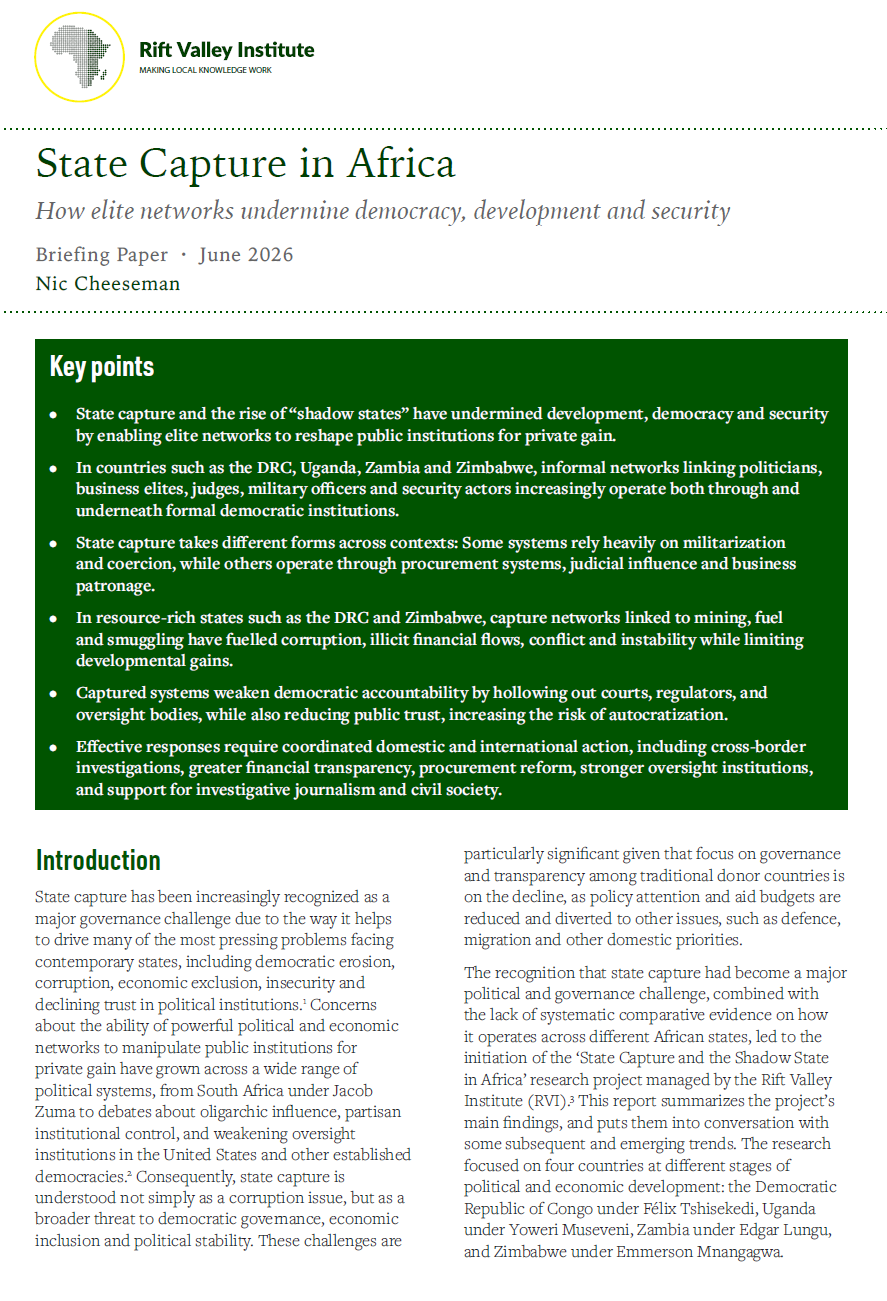
State Capture in Africa: How elite networks undermine democracy, development and security
June 24, 2026
Key points State capture has been increasingly recognized as a major governance challenge due to the way it helps to drive many of the most pressing problems facing contemporary states, including democratic erosion, corruption, economic exclusion, insecurity and declining trust
The New Geopolitics of Eastern Africa
June 17, 2026
On 20 May, the British Institute of Eastern Africa (BIEA), Chatham House, and the Rift Valley Institute (RVI) convened a group of experts to discuss the ‘The New Geopolitics of Eastern Africa’. The closed-door roundtable considered the ongoing transformation of