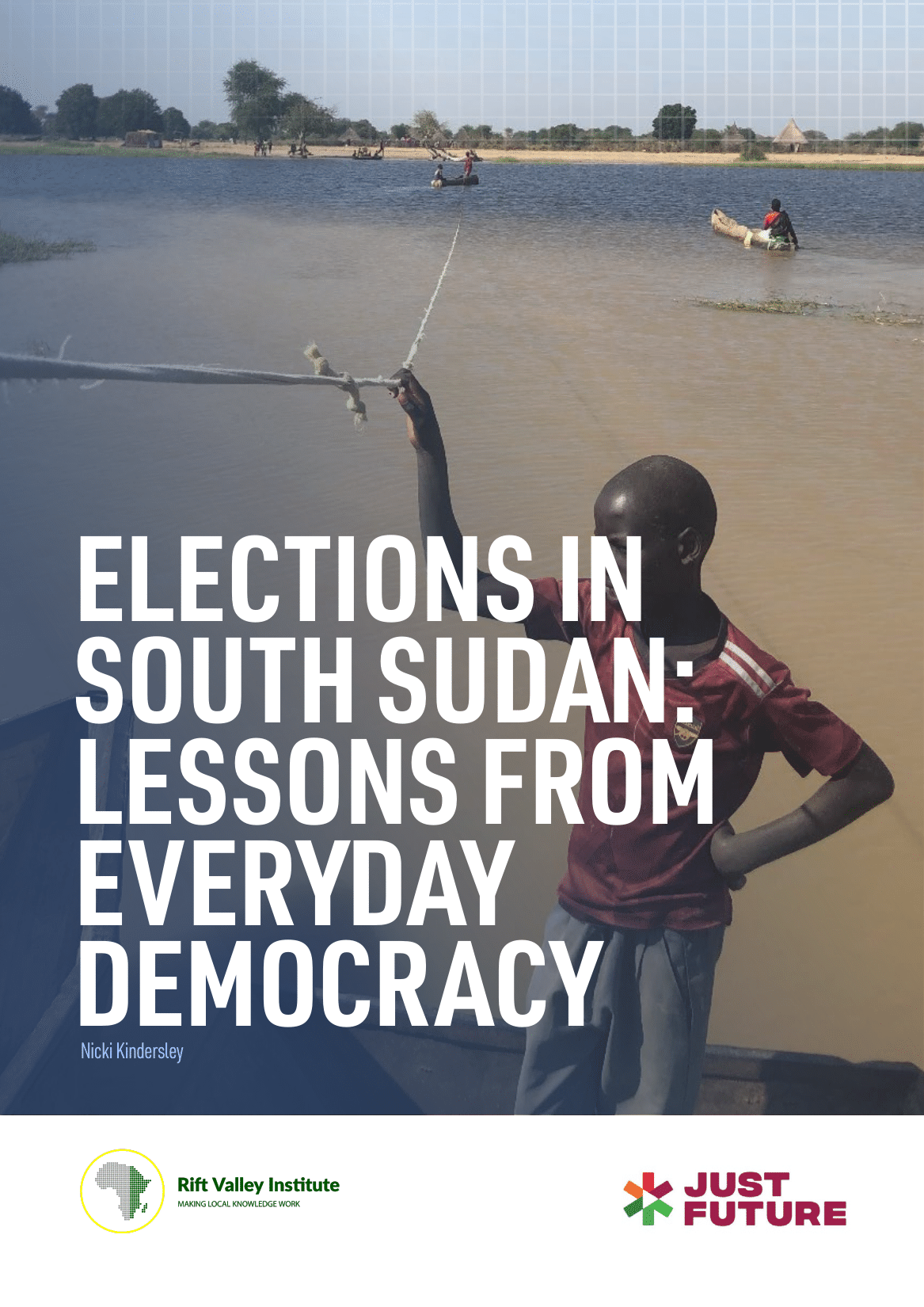
South Sudanese people are suffering under economic and climatic crises and political stasis. The last two years have involved a rapid deterioration of basic living conditions and safety for the majority. Popular engagement with national elections must be understood…
Writing Ethiopia into the World, Writing the World from Ethiopia
The Ethiopian Women Researchers Network (EWNET) hosted an online scholarly webinar on Friday, 30 January 2026, titled ‘Writing Ethiopia into the World and Writing the World from Ethiopia’. The webinar examined how Ethiopia has been represented within global knowledge production
The Political Economy of Coffee in the Kaffa–Bench-Sheko–Sheka Belt, Southwest Ethiopia Region
This study provides a critical political economy analysis of the coffee sector in the Kaffa–Bench-Sheko–Sheka belt in Southwest Ethiopia Peoples’ Regional State, the genetic and cultural heartland of Arabica coffee (Coffea arabica). Based on 47 key respondent interviews, the study
The Political Economy of Coffee in the Jimma–Ilu Aba Bora–Buno Bedele Belt, Oromia Region
The findings of this study reveal a number of critical insights about the political economy of coffee in the Jimma–Ilu Aba Bora–Buno Bedele coffee belt. The coffee economy is shaped by a small number of influential actors, including state institutions,