Find the English version here and the Amharic summary here….
RVI publishes books, research reports, research papers, briefings and meeting reports in a range of formats. Publications cover policy, research, arts, culture and local knowledge in the countries of eastern and central Africa. Research publications—books, reports and papers—are peer-reviewed. Some RVI publications are also available in French and/or Arabic.
The RVI is a signatory of the Budapest Open Access Initiative (2001); all publications are free for download in PDF format under Creative Commons licences. The views expressed in books and reports published by the RVI are those of the authors, not the Institute.
SEARCH
PUBLICATION TYPE
LANGUAGE
REGION
COUNTRY
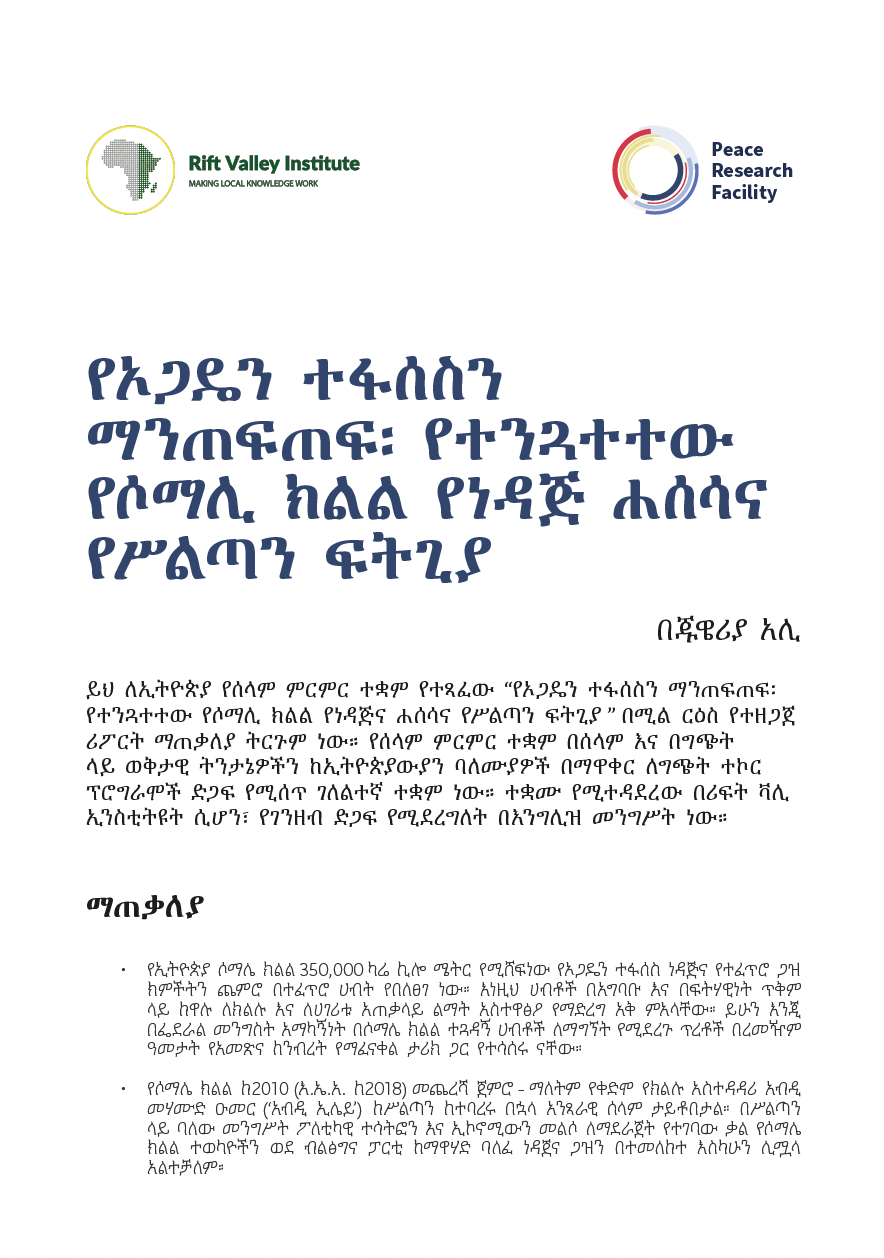
ማጠቃለያ የኢትዮጵያ ሶማሌ ክልል 350,000 ካሬ ኪሎ ሜትር የሚሸፍነው የኦጋዴን ተፋሰስ ነዳጅና የተፈጥሮ ጋዝ ክምችትን ጨምሮ በተፈጥሮ ሀብት የበለፀገ ነው። እነዚህ ሀብቶች በአግባቡ እና በፍትሃዊነት ጥቅም ላይ ከዋሉ ለክልሉ እና ለሀገሪቱ አጠቃላይ ልማት አስተዋፅዖ የማድረግ አቅ ምአላቸው። ይሁን እንጂ…
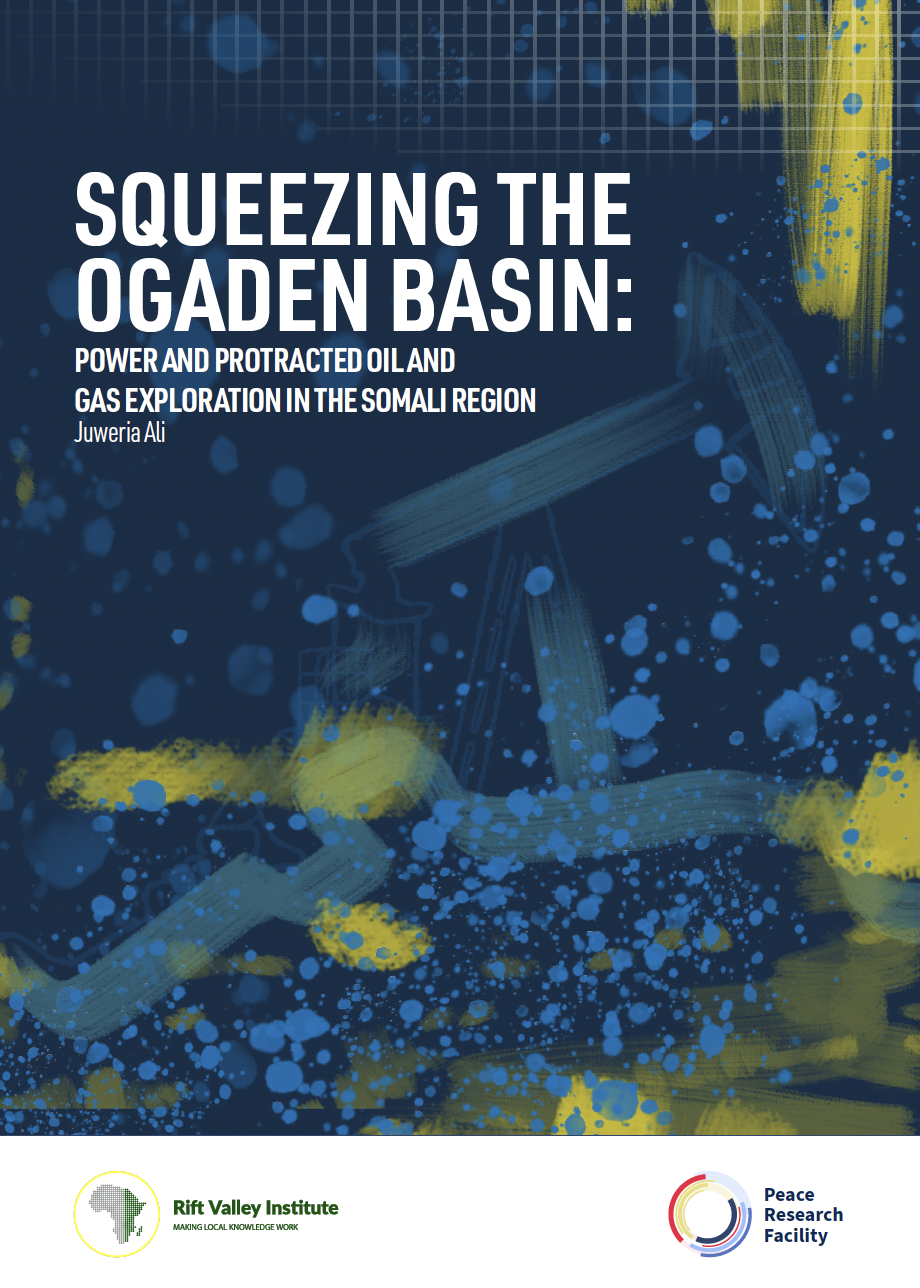
SUMMARY • Ethiopia’s Somali Regional State (SRS) is rich in natural resources, including oil and natural gas reserves in the Ogaden Basin which covers an area of approximately 350,000 sq km comprising much of the SRS. If managed properly…
Recent Publications

Writing Ethiopia into the World, Writing the World from Ethiopia
October 7, 2026
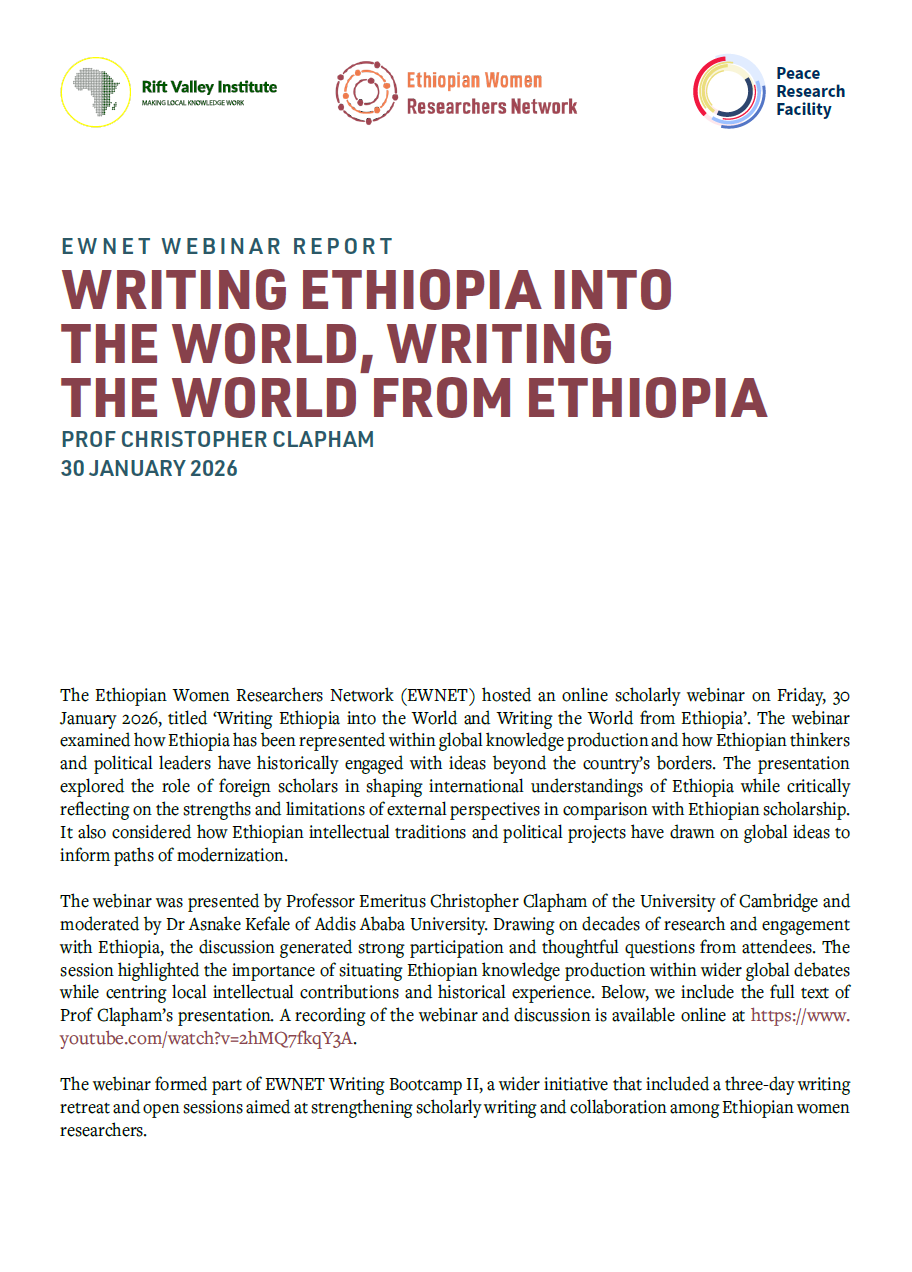
The Ethiopian Women Researchers Network (EWNET) hosted an online scholarly webinar on Friday, 30 January 2026, titled ‘Writing Ethiopia into the World and Writing the World from Ethiopia’. The webinar examined how Ethiopia has been represented within global knowledge production
The Political Economy of Coffee in the Kaffa–Bench-Sheko–Sheka Belt, Southwest Ethiopia Region
October 6, 2026
This study provides a critical political economy analysis of the coffee sector in the Kaffa–Bench-Sheko–Sheka belt in Southwest Ethiopia Peoples’ Regional State, the genetic and cultural heartland of Arabica coffee (Coffea arabica). Based on 47 key respondent interviews, the study
The Political Economy of Coffee in the Jimma–Ilu Aba Bora–Buno Bedele Belt, Oromia Region
October 5, 2026
The findings of this study reveal a number of critical insights about the political economy of coffee in the Jimma–Ilu Aba Bora–Buno Bedele coffee belt. The coffee economy is shaped by a small number of influential actors, including state institutions,