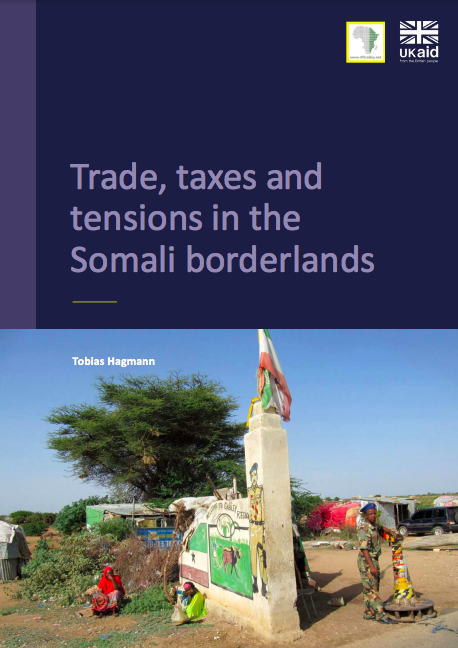
Cross-border trade is crucial for ongoing state building in the Somali inhabited Horn of Africa. This is significantly enabled by revenue collection at border crossings, which forms a crucial part of states’ finances in this region. Cross-border trade is…
RVI publishes books, research reports, research papers, briefings and meeting reports in a range of formats. Publications cover policy, research, arts, culture and local knowledge in the countries of eastern and central Africa. Research publications—books, reports and papers—are peer-reviewed. Some RVI publications are also available in French and/or Arabic.
The RVI is a signatory of the Budapest Open Access Initiative (2001); all publications are free for download in PDF format under Creative Commons licences. The views expressed in books and reports published by the RVI are those of the authors, not the Institute.
SEARCH
PUBLICATION TYPE
LANGUAGE
REGION
COUNTRY
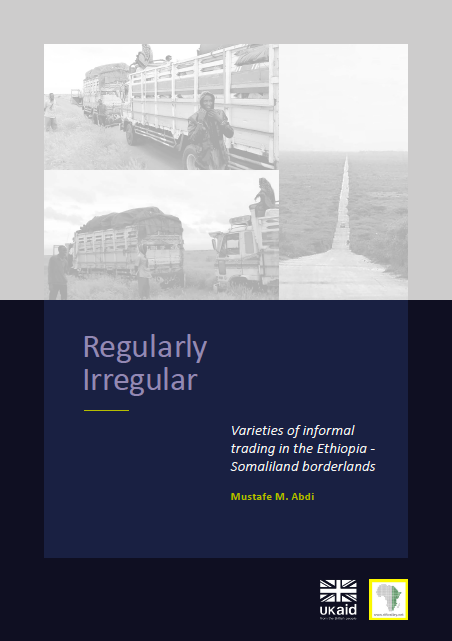
In Somaliland and Ethiopia’s Somali Regional State, small-scale informal trading far exceeds formal trade. However, most recent writing on trade in this region has disproportionately focused on formal trade thus neglecting a key area of economic activity. In contrast,…
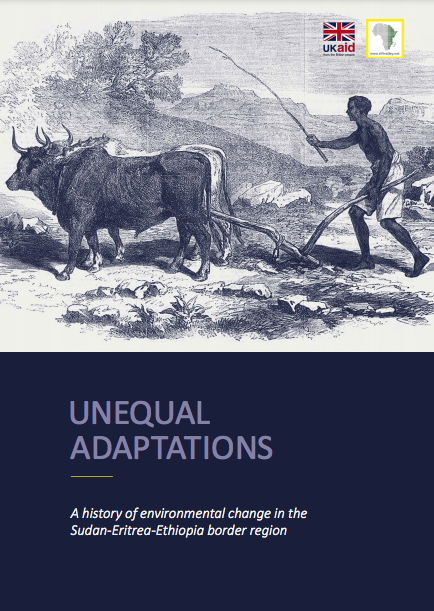
The Sudan-Eritrea-Ethiopia border region has long been a place of deep interconnection. Historically, collaboration across ethno-linguistic and religious divides allowed communities to develop life-sustaining complementary strategies for utilizing the region’s natural resources. These traditional patterns of human-environment interaction both…
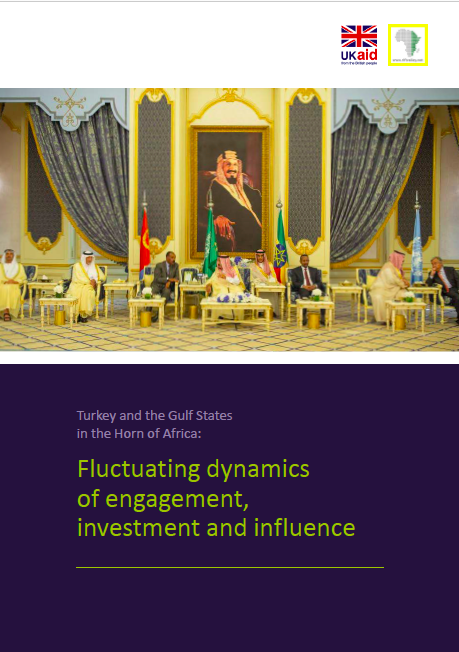
Since around 2015, the importance of the Gulf states, particularly Saudi Arabia, the United Arab Emirates (UAE) and Qatar, in the affairs of countries in the Horn of Africa has been growing. At the same time, Turkey, which made…
Since around 2015, the importance of the Gulf states, particularly Saudi Arabia, the United Arab Emirates (UAE) and Qatar, in the affairs of countries in the Horn of Africa has been growing. At the same time, Turkey, which…
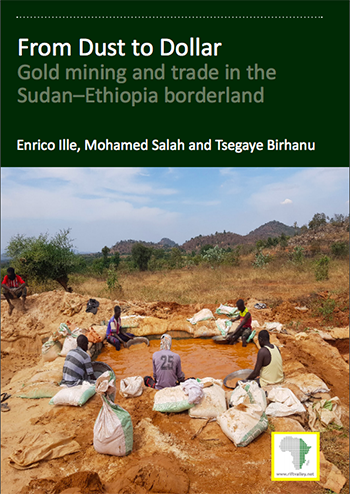
From Dust to Dollar focuses on the borderland region between Sudan and Ethiopia, using gold-mining and trade to examine transnational flows of people and commodities across its semi-permeable frontier. Gold mining has shifted from being part of a long-term,…
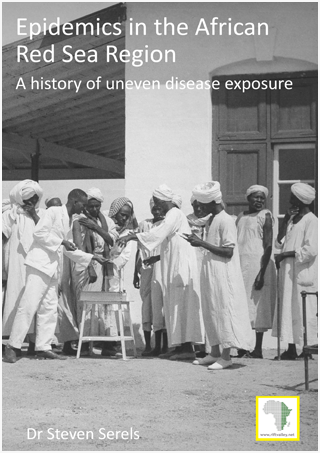
Summary The sustained movement of people, goods and ideas across the African Red Sea Region has been and continues to be so intense that it binds together communities throughout the region in a unified multifaceted socio-economic system that transcends…
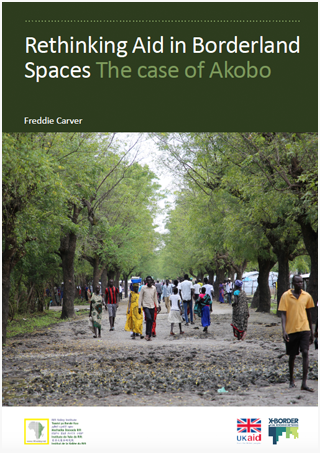
Taking the Ethiopia-South Sudan borderlands as a case study, Rethinking Aid in Borderland Spaces: The case of Akobo argues that the traditional modalities of the aid industry are not fit for purpose in a world where transnationalism is a daily…
Over the last 50 years, the various conflicts afflicting South Sudan have caused massive displacements of people. Latest estimates suggest there are more than 1.5 million internally displaced people (IDPs) within the country’s borders, with another 2.2 million refugees…
For over two decades Ethiopia’s political federation has been organized around the principle of ‘democratic centralism’. This philosophy also lies at the heart of the ruling Ethiopian Peoples’ Revolutionary Democratic Front (EPRDF) coalition, and its centralized decision-making culture. Until…
Recent Publications

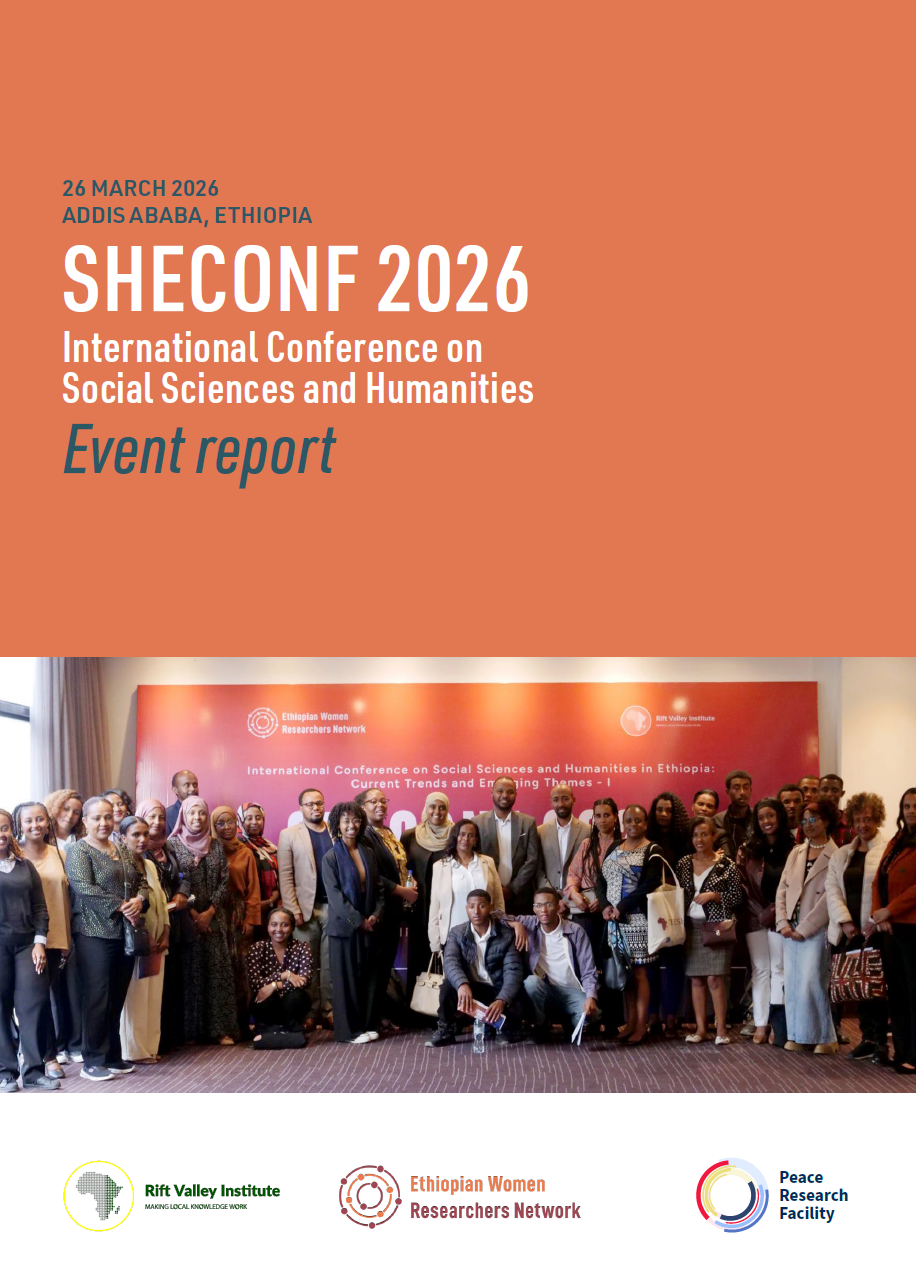
SHECONF 2026: International Conference on Social Sciences and Humanities
July 9, 2026
Event report On 26 March 2026, researchers, practitioners and academics gathered in Addis Ababa for SHECONF 2026, an International Conference on Social Sciences and Humanities in Ethiopia, the first of its kind convened by the Ethiopian Women Researchers Network (EWNET).

State Capture in Africa: How elite networks undermine democracy, development and security
June 24, 2026
Key points State capture has been increasingly recognized as a major governance challenge due to the way it helps to drive many of the most pressing problems facing contemporary states, including democratic erosion, corruption, economic exclusion, insecurity and declining trust

The New Geopolitics of Eastern Africa
June 17, 2026
On 20 May, the British Institute of Eastern Africa (BIEA), Chatham House, and the Rift Valley Institute (RVI) convened a group of experts to discuss the ‘The New Geopolitics of Eastern Africa’. The closed-door roundtable considered the ongoing transformation of