This paper provides an analysis of the six-month conflict trends in Ethiopia’s Benishangul-Gumuz Regional State, particularly Metekel zone. As well as providing an overview of the conflict and its main actors, it also examines the political processes that have…
RVI publishes books, research reports, research papers, briefings and meeting reports in a range of formats. Publications cover policy, research, arts, culture and local knowledge in the countries of eastern and central Africa. Research publications—books, reports and papers—are peer-reviewed. Some RVI publications are also available in French and/or Arabic.
The RVI is a signatory of the Budapest Open Access Initiative (2001); all publications are free for download in PDF format under Creative Commons licences. The views expressed in books and reports published by the RVI are those of the authors, not the Institute.
SEARCH
PUBLICATION TYPE
LANGUAGE
REGION
COUNTRY
As part of a wider attempt to increase export revenues amidst weak economic performance, Ethiopian authorities doubled the price of khat for exports to Somaliland and Djibouti in April 2022. Following much controversy, the decision was reversed a few…
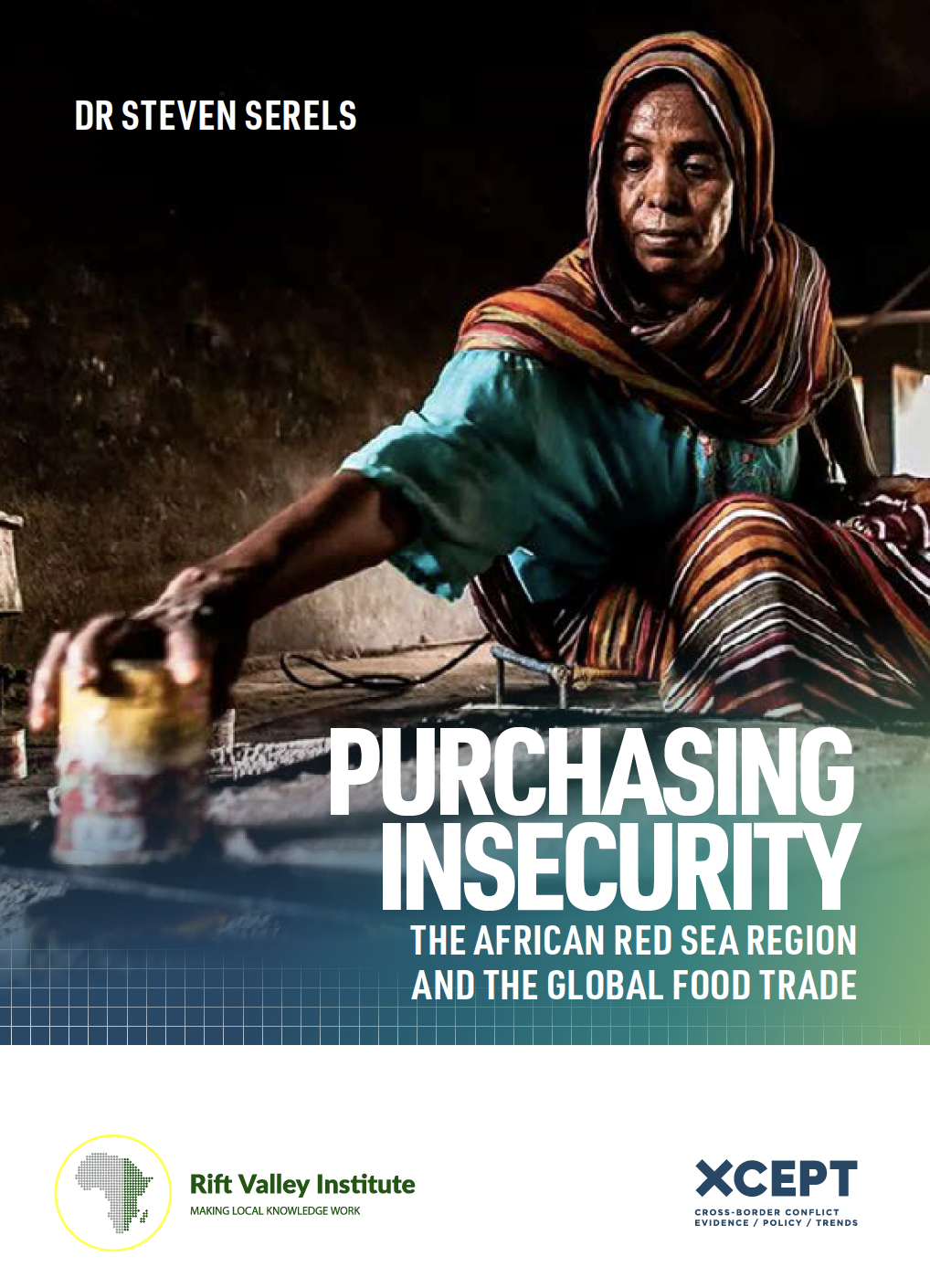
The African Red Sea Region does not produce enough food to feed its own population. Sudan, Eritrea, Ethiopia, Djibouti and Somaliland (Somalia) are each reliant on imports to make up for domestic production shortfalls. This presents unresolved challenges to…
- By Mustafe M. Abdi
- Download
This blog is the third in a series published by the Rift Valley Institute to help understand the causes of the drought-related crisis in the Somali regions of the Horn of Africa. It is a product of the UK government’s XCEPT…
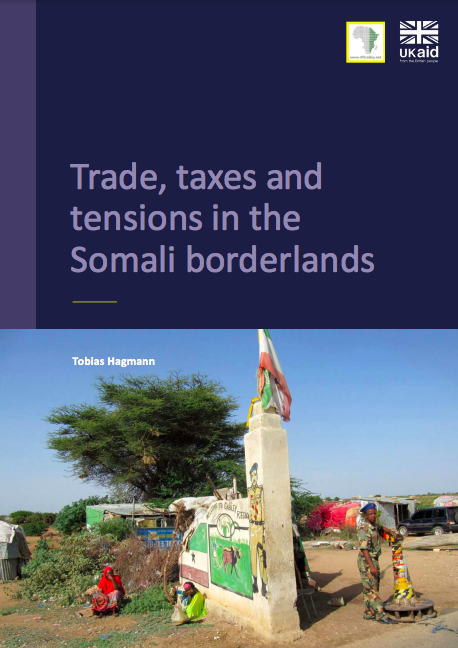
Cross-border trade is crucial for ongoing state building in the Somali inhabited Horn of Africa. This is significantly enabled by revenue collection at border crossings, which forms a crucial part of states’ finances in this region. Cross-border trade is…
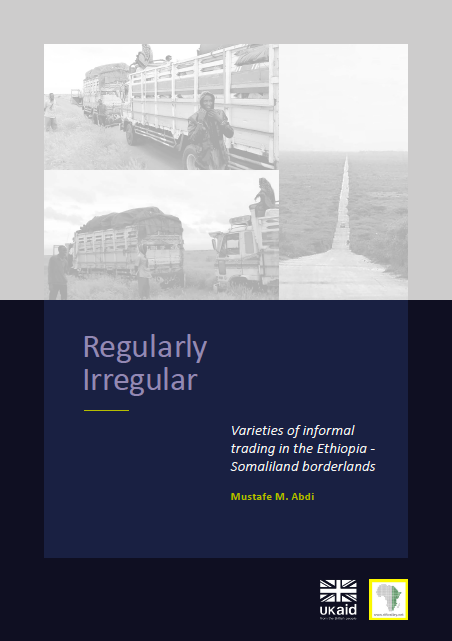
In Somaliland and Ethiopia’s Somali Regional State, small-scale informal trading far exceeds formal trade. However, most recent writing on trade in this region has disproportionately focused on formal trade thus neglecting a key area of economic activity. In contrast,…
The Sudan-Eritrea-Ethiopia border region has long been a place of deep interconnection. Historically, collaboration across ethno-linguistic and religious divides allowed communities to develop life-sustaining complementary strategies for utilizing the region’s natural resources. These traditional patterns of human-environment interaction both…
Since around 2015, the importance of the Gulf states, particularly Saudi Arabia, the United Arab Emirates (UAE) and Qatar, in the affairs of countries in the Horn of Africa has been growing. At the same time, Turkey, which made…
Since around 2015, the importance of the Gulf states, particularly Saudi Arabia, the United Arab Emirates (UAE) and Qatar, in the affairs of countries in the Horn of Africa has been growing. At the same time, Turkey, which…
From Dust to Dollar focuses on the borderland region between Sudan and Ethiopia, using gold-mining and trade to examine transnational flows of people and commodities across its semi-permeable frontier. Gold mining has shifted from being part of a long-term,…
Recent Publications

EWNET Writes: Writing Workshop Session I
December 18, 2025
The Ethiopian Women Researchers Network (EWNET) inaugural writing workshop series aims to not only provide women researchers with uninterrupted time for their scholarly projects, but also build a supportive academic community. The first session, entitled ‘EWNET Writes: Writing Workshop Session

SSC-Khaatumo: Perspectives on the significance and implications of its formation
December 12, 2025
On 15 April 2025, during a visit to the city of Las Anod in Sool, Prime Minister Hassan Abdi Barre officially declared the federal government’s recognition of SSC-Khaatumo (SSC-K hereafter) as a federal member state, marking an important milestone in

Aid and Conflict Sensitivity in Contemporary Ethiopia
November 17, 2025
This study assesses conflict sensitivity practices among humanitarian, development and peacebuilding (HDP) actors in Ethiopia. It seeks to raise awareness and foster a deeper understanding of the evolving aid landscape in the country while analysing the challenges that affect conflict-sensitive