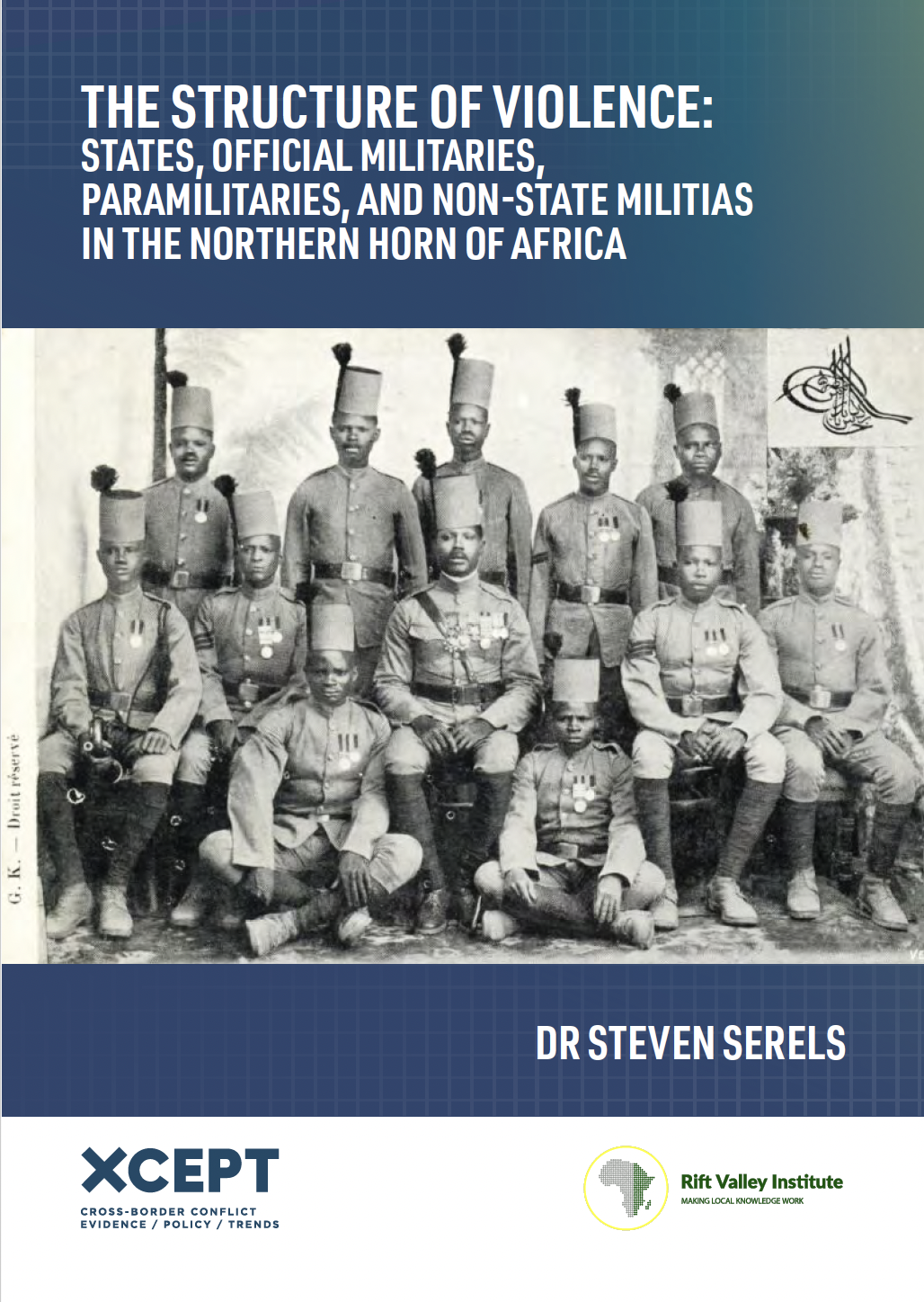
EXECUTIVE SUMMARY In Sudan and Ethiopia, official militaries are currently fighting against paramilitaries and non-state militias that, previously, had been important battlefield allies. The ongoing violence does not reflect a breakdown in the political order. Rather, these conflicts are…
RVI publishes books, research reports, research papers, briefings and meeting reports in a range of formats. Publications cover policy, research, arts, culture and local knowledge in the countries of eastern and central Africa. Research publications—books, reports and papers—are peer-reviewed. Some RVI publications are also available in French and/or Arabic.
The RVI is a signatory of the Budapest Open Access Initiative (2001); all publications are free for download in PDF format under Creative Commons licences. The views expressed in books and reports published by the RVI are those of the authors, not the Institute.
SEARCH
PUBLICATION TYPE
LANGUAGE
REGION
COUNTRY
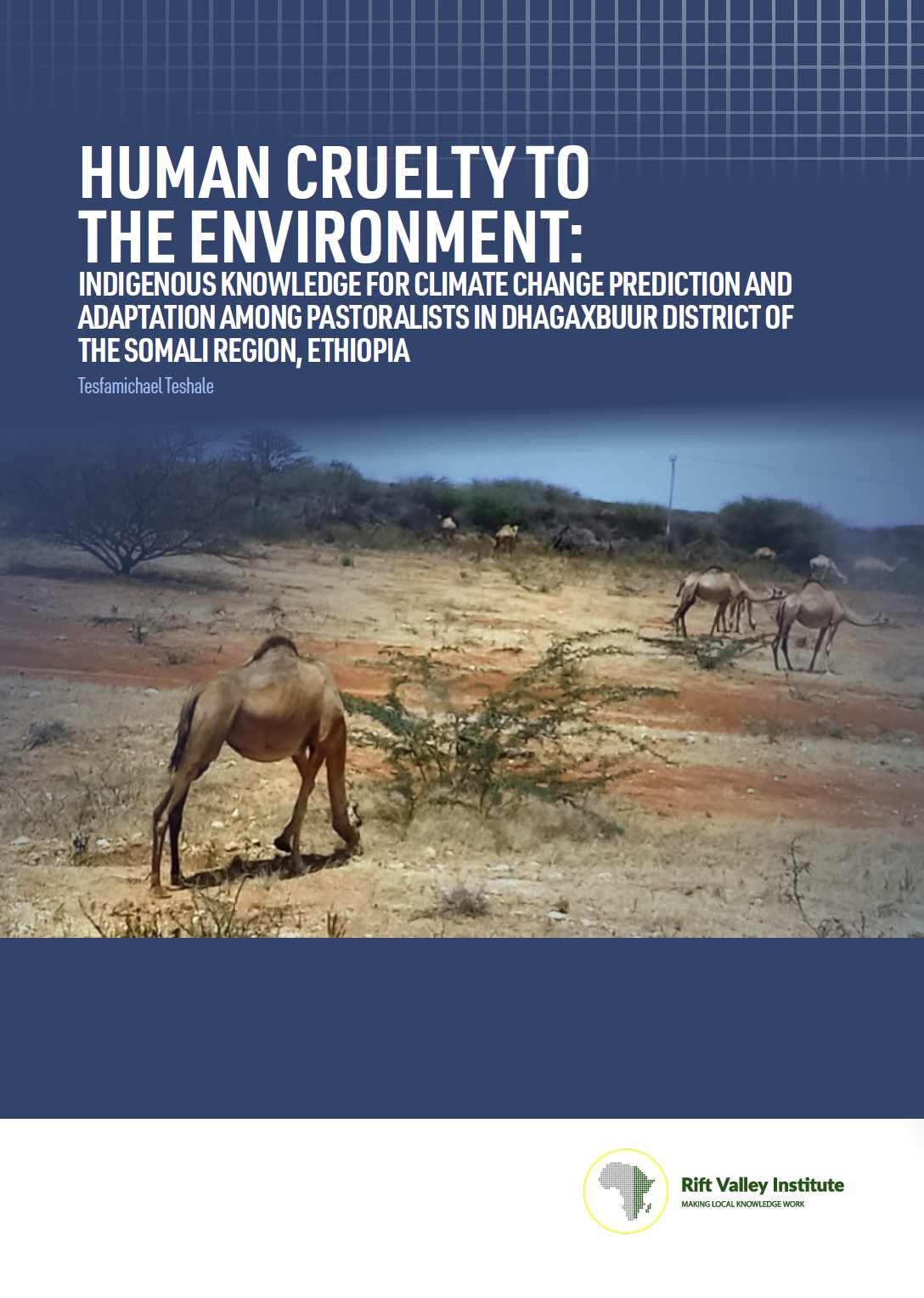
INDIGENOUS KNOWLEDGE FOR CLIMATE CHANGE PREDICTION AND ADAPTATION AMONG PASTORALISTS IN DHAGAXBUUR DISTRICT OF THE SOMALI REGION, ETHIOPIA EXECUTIVE SUMMARY This paper explores how indigenous climate change prediction mechanisms help climate change adaptation among Somali pastoralists in Dhagaxbuur district…
ማጠቃለያ Find the english version of the report here….
ማጠቃለያ Find the English version of this report here….
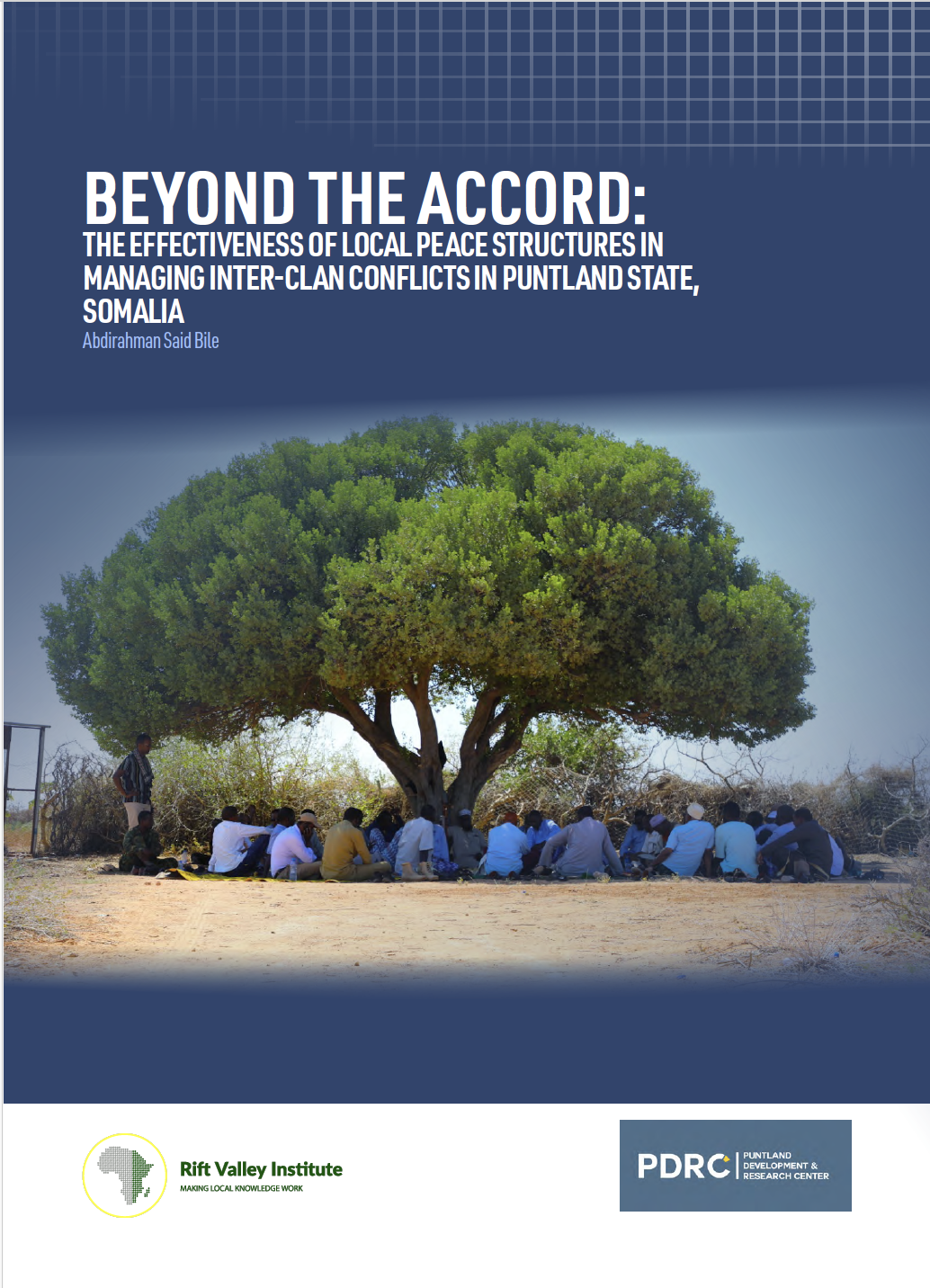
THE EFFECTIVENESS OF LOCAL PEACE STRUCTURES IN MANAGING INTER-CLAN CONFLICTS IN PUNTLAND STATE, SOMALIA EXECUTIVE SUMMARY Clan conflicts in Somalia have a long history, dating back to the colonial era through to the period before the collapse of the…
SUMMARY • Despite its predominantly Muslim surrounding area, Jimma is one of the most heterogeneous cities in Ethiopia’s Oromia region. Unlike other Ethiopian cities and towns, Jimma has not seen any major inter-religious or -ethnic clashes since the fall…
THE POLITICS OF RESOURCE EXTRACTION IN ETHIOPIA, POST-2018 SUMMARY • With the formation of the Prosperity Party (PP) in 2019, Abiy Ahmed’s government set out to redress the relationship between the central government and ‘peripheral’ regional states. This included…
Introduction On 27 May 2023, Somalia’s National Consultative Council (NCC) agreed on elections at both a federal and state level.1 Unified local council elections were envisaged to start at district-level elections across all Federal Member States (FMSs) in June…
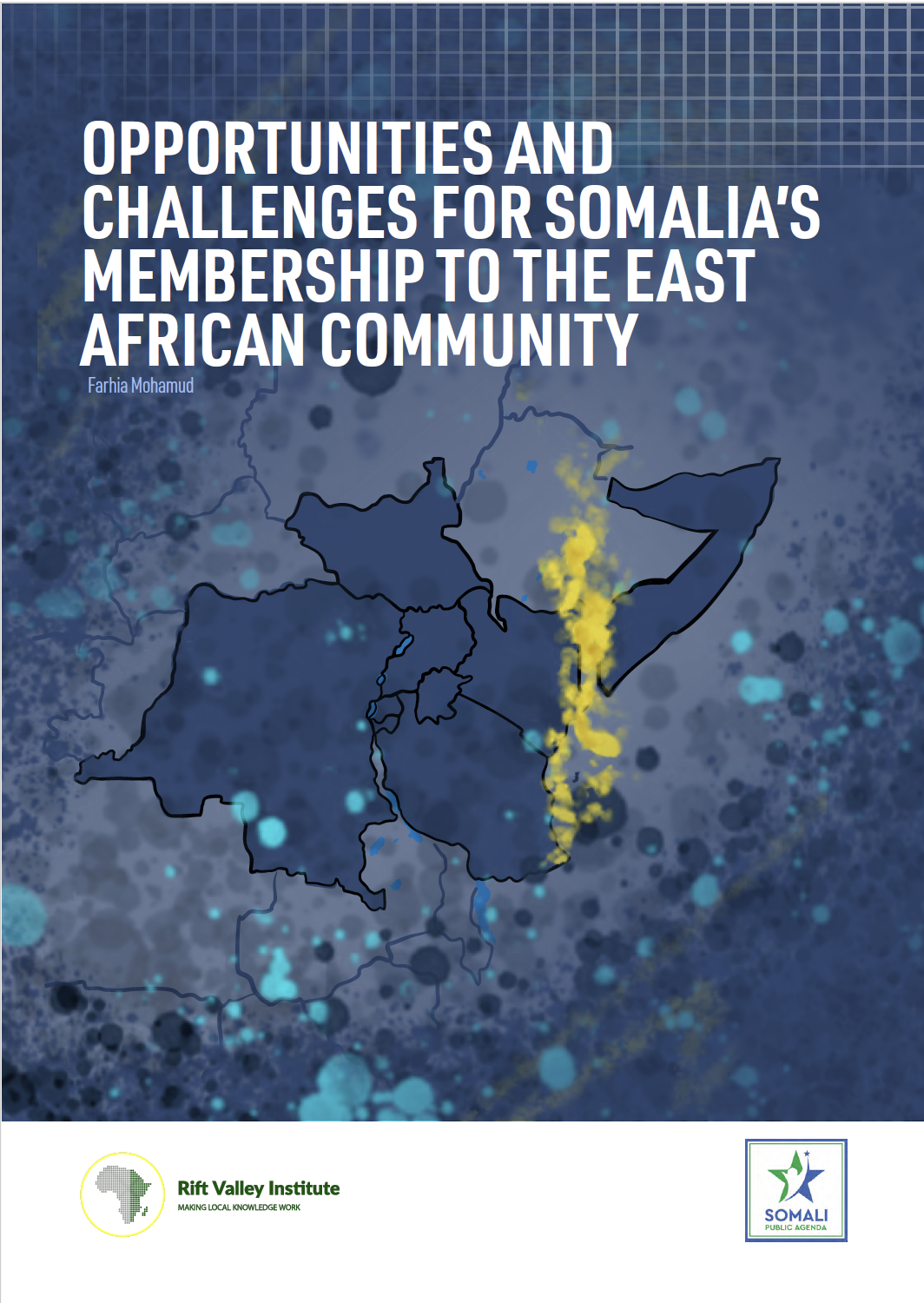
EXECUTIVE SUMMARY With Somalia’s official entry into the East African Community (EAC) on 24 November 2023, this paper intends to present and analyse the challenges and opportunities its integration might have. Thus, the study uses primary data collected from…
Executive summary This policy paper assesses the revised National Security Architecture (NSArch) in Somalia, pinpointing critical deficiencies and presenting policy recommendations to fortify the national security framework. Central to this analysis are questions surrounding the effectiveness of the NSArch,…
Recent Publications

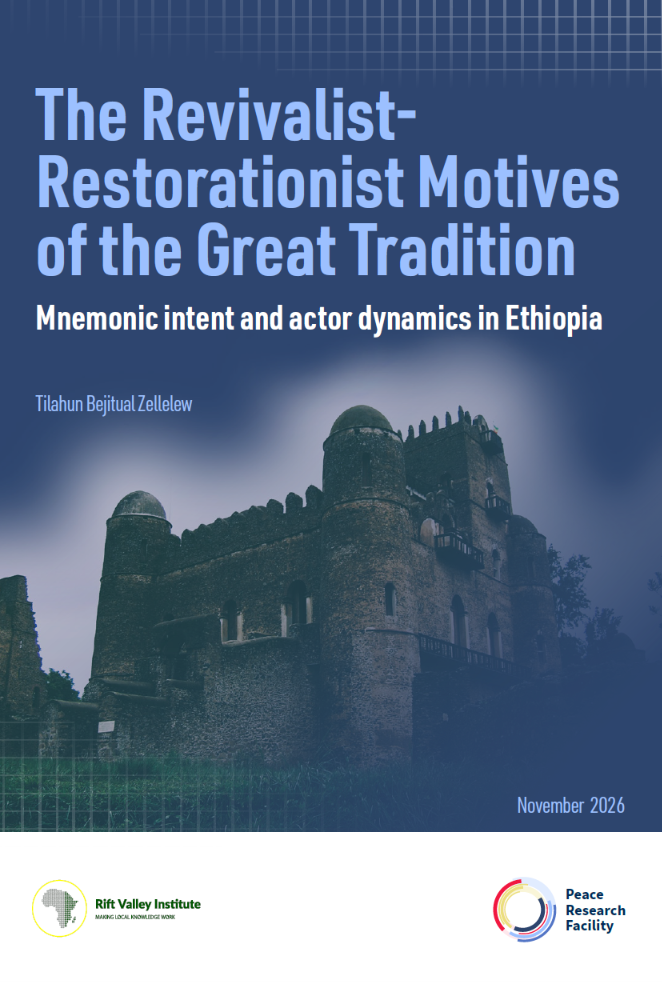
The Revivalist-Restorationist Motives of the Great Tradition: Mnemonic intent and actor dynamics in Ethiopia
November 13, 2026
Tracing the genealogy and current state of revivalism and restorationism of the Great Tradition (GT) within the memory landscape in Ethiopia reveals dynamic mnemonic strategies and vocabularies that evolve across successive historical regimes and various state and non-state mnemonic agents.
Writing Ethiopia into the World, Writing the World from Ethiopia
October 7, 2026
The Ethiopian Women Researchers Network (EWNET) hosted an online scholarly webinar on Friday, 30 January 2026, titled ‘Writing Ethiopia into the World and Writing the World from Ethiopia’. The webinar examined how Ethiopia has been represented within global knowledge production
The Political Economy of Coffee in the Kaffa–Bench-Sheko–Sheka Belt, Southwest Ethiopia Region
October 6, 2026
This study provides a critical political economy analysis of the coffee sector in the Kaffa–Bench-Sheko–Sheka belt in Southwest Ethiopia Peoples’ Regional State, the genetic and cultural heartland of Arabica coffee (Coffea arabica). Based on 47 key respondent interviews, the study