EWNET SEMINAR SERIES REPORT The inaugural Ethiopian Women Researchers Network (EWNET) Seminar was delivered by Dr Serawit B. Debele on 15 April 2025 at Addis Ababa University’s Institute for Peace and Security Studies’ (IPSS) New Meeting Hall. Entitled ‘We…
RVI publishes books, research reports, research papers, briefings and meeting reports in a range of formats. Publications cover policy, research, arts, culture and local knowledge in the countries of eastern and central Africa. Research publications—books, reports and papers—are peer-reviewed. Some RVI publications are also available in French and/or Arabic.
The RVI is a signatory of the Budapest Open Access Initiative (2001); all publications are free for download in PDF format under Creative Commons licences. The views expressed in books and reports published by the RVI are those of the authors, not the Institute.
SEARCH
PUBLICATION TYPE
LANGUAGE
REGION
COUNTRY
በኦሮሚያ እና በሶማሊ ክልል ድንበር አካባቢ የሚገኙ አከራካሪ ቦታዎች ላይ አስተዳደራዊ ቁጥጥርን ለማጠናከር በሚደረገው ፉክክር የሚነሱ ግጭቶች የተዳፈኑ ቢመስሉም ጨርሰው አልጠፉም። ይህ በምስራቅ አፍሪካ ረጅሙ የሀገር ውስጥ የክልሎች ወሰን ሲሆን፥ አካባቢው ከ2009–2011 ግጭት እና የአገር ውስጥ መፈናቀልን ያስከተለም ነበር።…
በኢትዮጵያ ከአዲስ አበባ ያሉ ከተሞች ውስጥ የሚታዩ ውዝግቦችን ማጥናት ከመዲናይቱ በመቀጠል ያሉ ከተሞች ጉልህ በሆኑ የማኅበረ-ኢኮኖሚያዊና ፖለቲካዊ ለውጦች መሐል እንዴት እየተለዋወጡ እንደመጡ ለመረዳት ያግዛል። የኢትዮጵያ የከተማ ማዕከሎች የአገሪቱ የፖለቲካ ግጭቶች፥ የኢኮኖሚ ምስቅልቅሎችና ማኅበረ-ባህላዊ ስብራቶች የሚገኙባቸው ስፍራዎች ናቸው። ይህ ጭምቅ…
ከ2010 ወዲህ ያለው የኢትዮጵያ የፖለቲካ ምህዳር በጋራ ትውስታዎች የተሰናሰሉ የታሪክ አተረጓጎሞች የፖለቲካ ወገንተንነትን እንደሚቀርፁ የሚያሳይ ነው። ጠቅላይ ሚኒስትር ዐቢይ አህመድ ወደ ሥልጣን እንደመጡ የታላቁ ትውፊት ትርክቶችን (great tradition narratives) ማቀንቀናቸው የርሳቸው ድጋፍ ማዕከል ከሆነውና ይህንን ትርክት ከሚገዳደረው የኦሮሞ ማኅበረሰብ…
The report highlights the overlapping claims to and distributive struggles over territory and resources in the Oromia-Somali borderlands which animated inter-regional competition between the Oromia Regional State (ORS) and Somali Regional State (SRS), resulted in the brief 2023 uptick…
This report examines the complex and shifting situation of the Ethiopian Orthodox Tewahedo Church (EOTC) in post-2018 Ethiopia, highlighting its struggle to maintain influence amid political, social and religious changes. In addition to examining both the current EOTC relationship…
The political landscape in Ethiopia since 2018 exemplifies how historical interpretations rooted in collective memory can shape political alignments. Prime Minister Abiy Ahmed Ali’s initial embrace of great tradition narratives clashed with the historical perspectives of his core constituency,…
Studying urban contestations in Ethiopia’s secondary cities can help us understand how the urban centres outside of Addis Ababa are evolving during an ongoing period of significant socio-economic and political change. Ethiopia’s urban centres are the location of ongoing…
This paper examines the roles of civil society organizations (CSOs) in Ethiopian peacebuilding, exploring change and continuity within the sector and how past events influence their activities. It discusses CSOs’ involvement in peace initiatives, analysing their successes as well…
Since 2018, Gambella has experienced several conflicts. While some can be categorized as a continuation of protracted conflicts in the region, others can be attributed to the post-2018 political changes in Addis Ababa. The major conflicts include, Anywaa–Nuer conflict,…
Recent Publications

The Political Economy of Coffee in the Sidama–Gedeo–Guji Belt, Southern Ethiopia
September 4, 2026
This report is part of a wider research project on the political economy of coffee in Ethiopia in the context of the political transition since 2018. It focuses on the Sidama–Gedeo–Guji coffee belt in southern Ethiopia, aiming to understand the

SHECONF 2026: International Conference on Social Sciences and Humanities
July 9, 2026
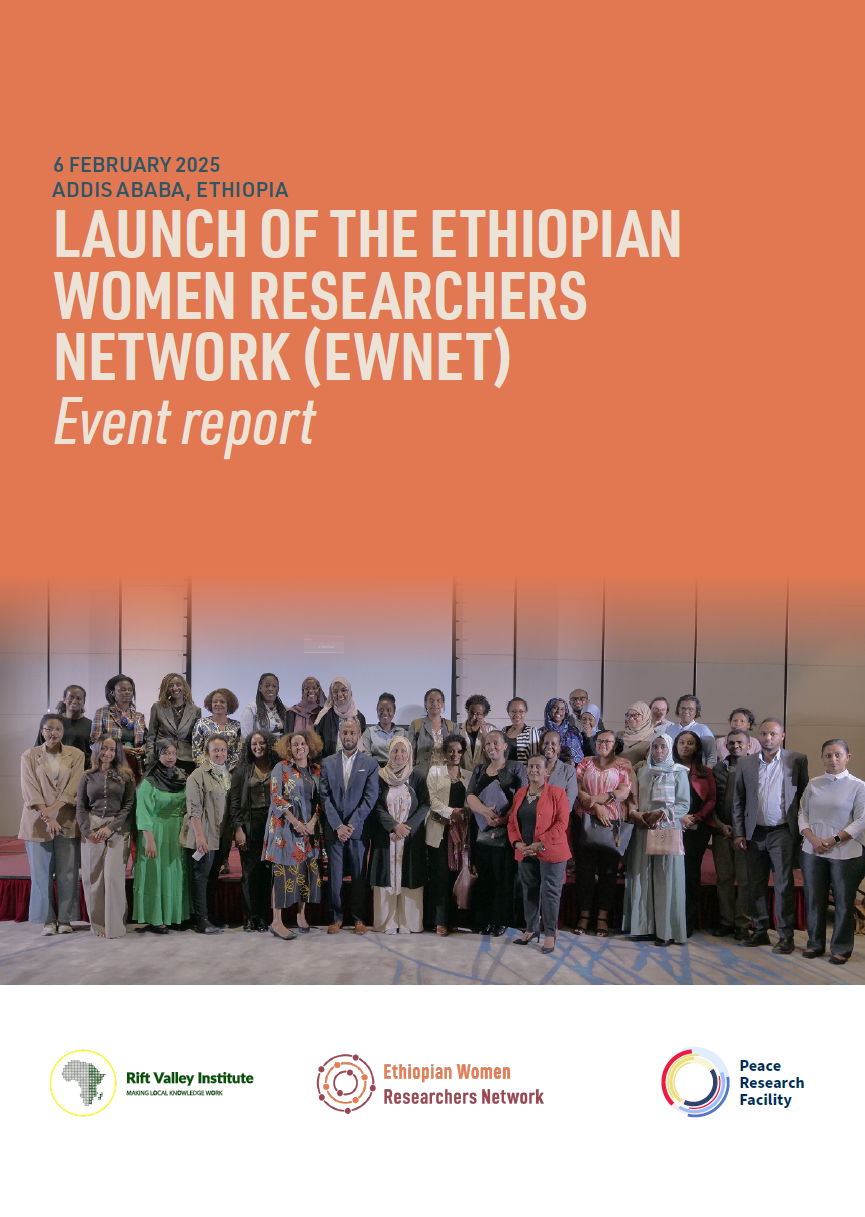
Event report On 26 March 2026, researchers, practitioners and academics gathered in Addis Ababa for SHECONF 2026, an International Conference on Social Sciences and Humanities in Ethiopia, the first of its kind convened by the Ethiopian Women Researchers Network (EWNET).

State Capture in Africa: How elite networks undermine democracy, development and security
June 24, 2026
Key points State capture has been increasingly recognized as a major governance challenge due to the way it helps to drive many of the most pressing problems facing contemporary states, including democratic erosion, corruption, economic exclusion, insecurity and declining trust