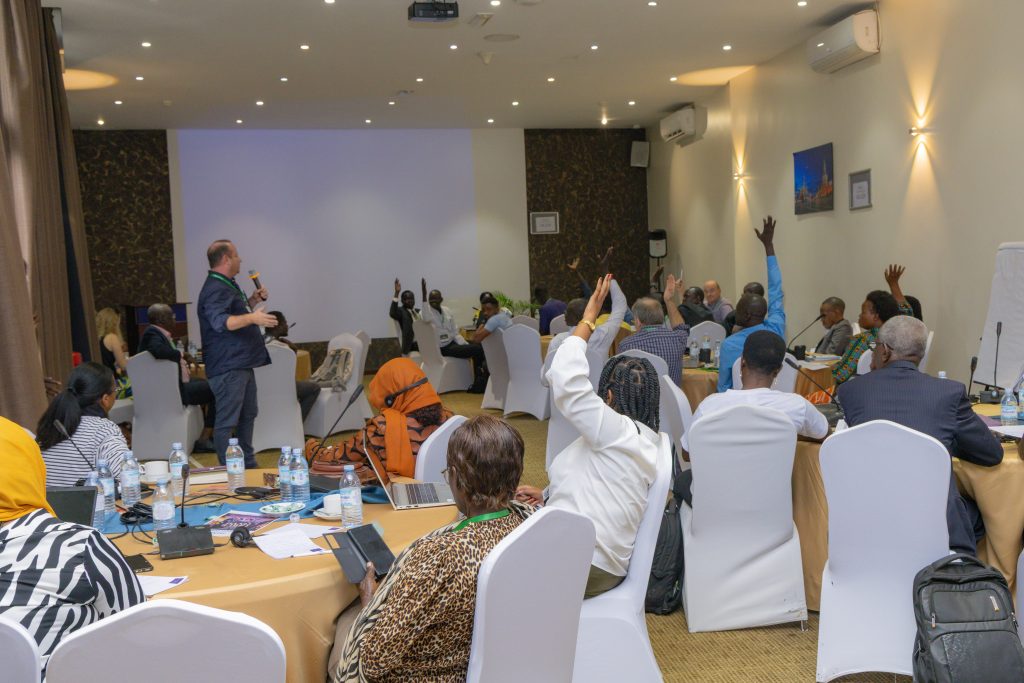
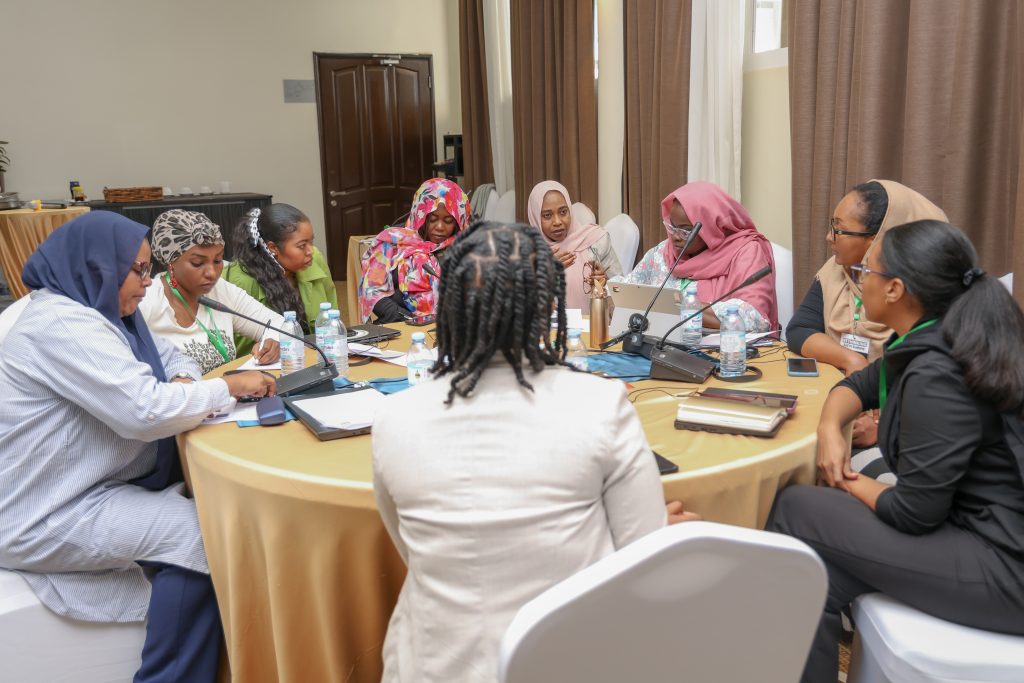
On 4–5 November 2025, civil society leaders, community groups, researchers, women’s networks and humanitarian practitioners from Sudan and South Sudan gathered in Kampala for a landmark workshop on Rethinking Aid in both countries. Convened by Norwegian People’s Aid–Sudan, Detcro, ODI Global and the Rift Valley Institute (RVI), the workshop provided a neutral and participatory platform to assess the rapidly evolving humanitarian landscape, understand how local responders are sustaining assistance through mutual aid amid shrinking resources, and explore fresh policy and programmatic directions to support a locally-driven humanitarian system.
The meeting concluded with the adoption of the Kampala Resolution on Rethinking Aid in Sudan and South Sudan, a strong call to shift from charity to solidarity and to elevate local agency as the engine of sustainable change. The resolution affirms that localization is not a donor-driven agenda but a moral, political and practical imperative.
Read the full text of The Kampala Resolution on Rethinking Aid in Sudan and South Sudan.
Impact of aid cuts on the humanitarian situation
Participants warned that recent funding reductions—including major cuts by the US government and significant declines from European donors since January 2025—have sharply intensified humanitarian needs. Reports indicate that more than 20 million people in Sudan are facing acute hunger, with famine conditions emerging in El Fasher and Kadugli, while conflict continues to escalate in Darfur and the Kordofan regions. In South Sudan, an estimated 9 million people urgently require humanitarian support.
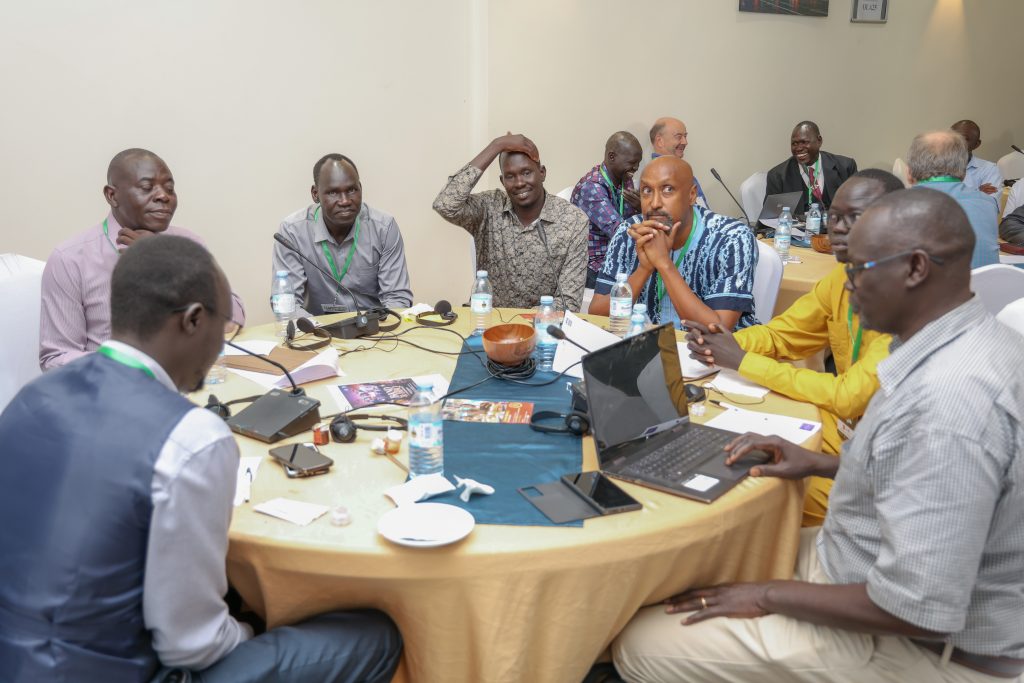
Delegates emphasized that the crises in both countries are deeply interconnected, shaped by shared political, economic, social and cultural histories. With global aid contracting, they called for renewed efforts to mobilize local resources, strengthen aid systems through local ownership and reinforce longstanding traditions of mutual support to save lives and build resilience.
Rethinking aid: Five principles
The workshop outlined five core principles for reimagining the aid system:
- strengthening localization by placing local actors at the centre of decision-making;
- fostering meaningful collaboration so aid complements—rather than replaces—indigenous support systems;
- upholding dignity and inclusion for women, youth and vulnerable groups; and
- recognizing the essential role of public authorities;
- building accountability through genuine, trust-based, and mutually reinforcing partnerships.
Looking ahead
Acknowledging that the humanitarian system in both countries is undergoing significant transformation, participants committed to sustaining the momentum generated in Kampala. They pledged to amplify local innovations, maintain regular dialogue within and across borders, strengthen solidarity, deepen collaboration and build partnerships that enhance agility and self-reliance. Central to this commitment is investing in mechanisms that boost local fundraising and resource mobilization.
The Kampala Resolution marks a critical step in redefining aid in Sudan and South Sudan—anchoring it in solidarity, shared responsibility and the leadership of the communities most affected by the crises.
Our discussions in Kampala made clear that what we are facing is not just a momentary downturn in funding but rather a structural change in the aid system itself. The unprecedented funding cuts in recent years have laid bare many of the inequalities of the current system, which privileges the interests and politics of donor countries and does not give adequate voice to people in recipient countries. But these changes are also creating enabling conditions for reform. As international actors are forced to scale back, local actors and first responders are stepping in to meet the humanitarian needs of their people. The challenge for the aid sector is to find ways of working in solidarity with these actors, recognizing their agency, and channelling the resources that remain in ways that empower them as drivers of change.
– David Deng, Managing director of Detcro