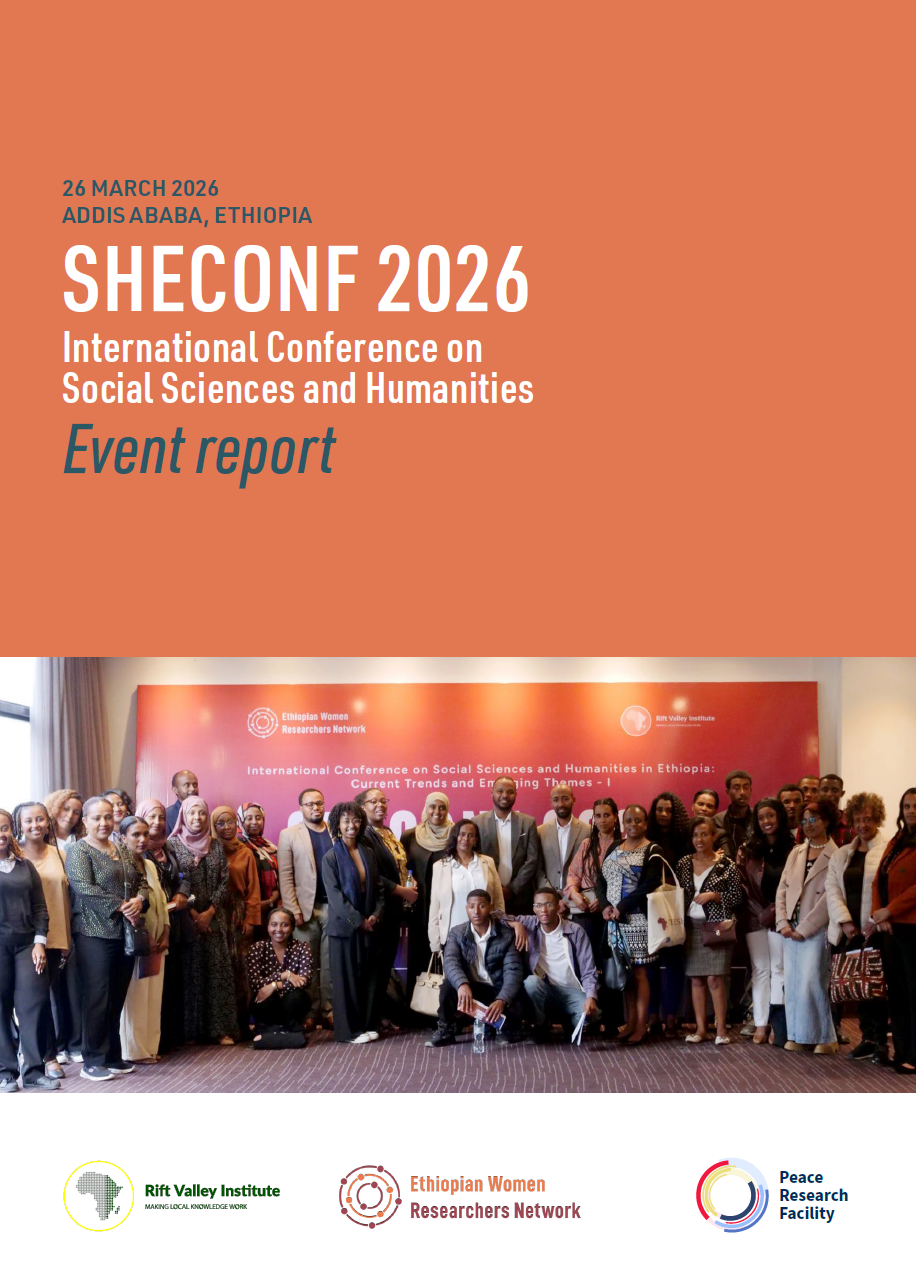
The Ethiopian Women Researchers Network brought together authors, reviewers and researchers at Addis Ababa University to critically engage with books and research by women scholars, and to reflect on the wider journey from research and writing to publication.
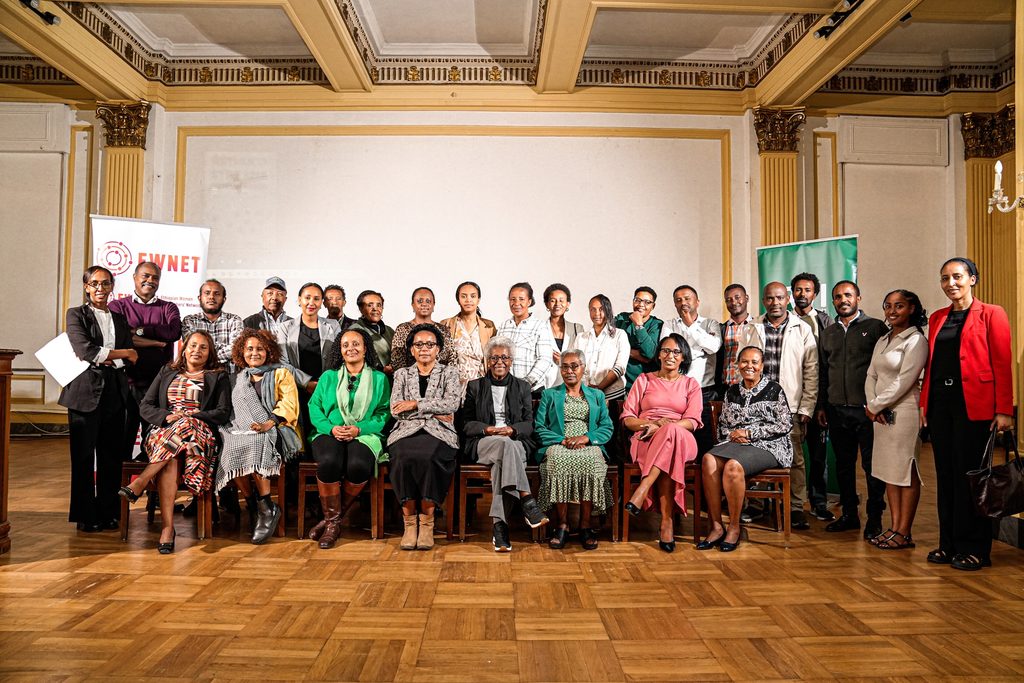
On 4 September 2026, the Ethiopian Women Researchers Network (EWNET) held its Review of Books Seminar at Addis Ababa University, bringing together 65 authors, reviewers, researchers, academics, early career researchers, poets and editors.
The seminar was designed to promote rigorous academic reading, critical engagement and scholarly discussion, while strengthening women’s participation in academic publishing. Eight books spanning different genres and disciplines were featured during the event, four of them authored, co-authored or edited by EWNET members.
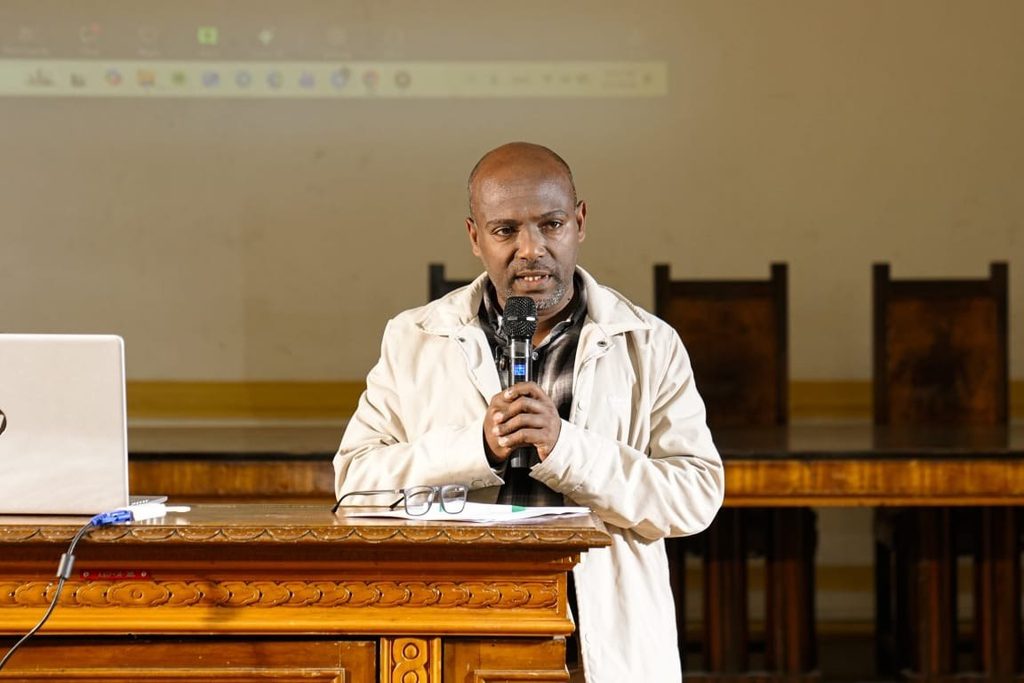
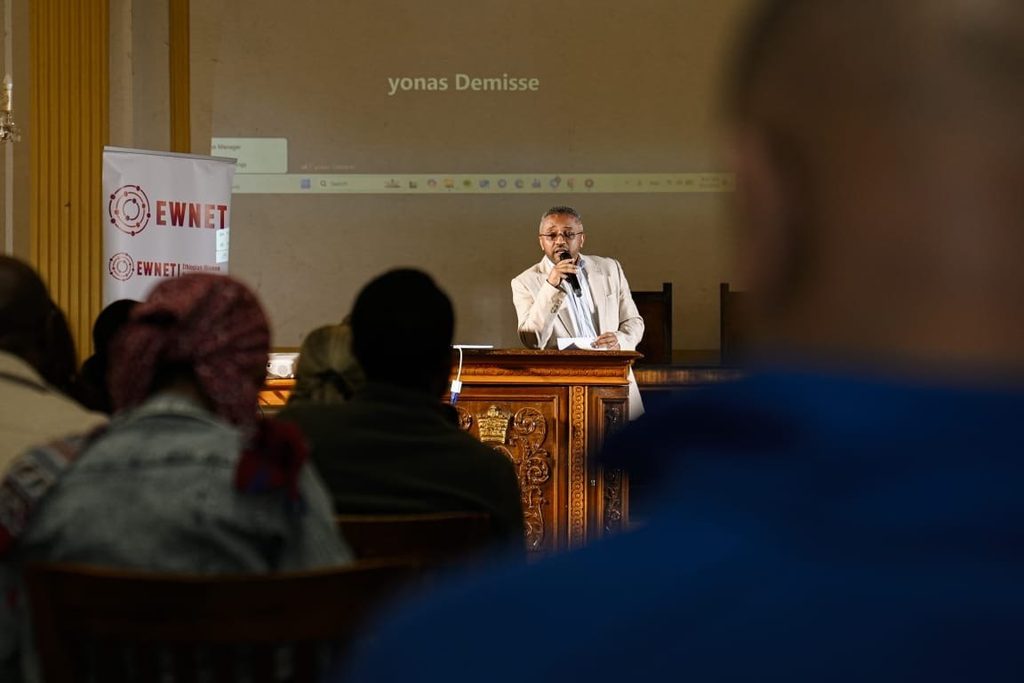
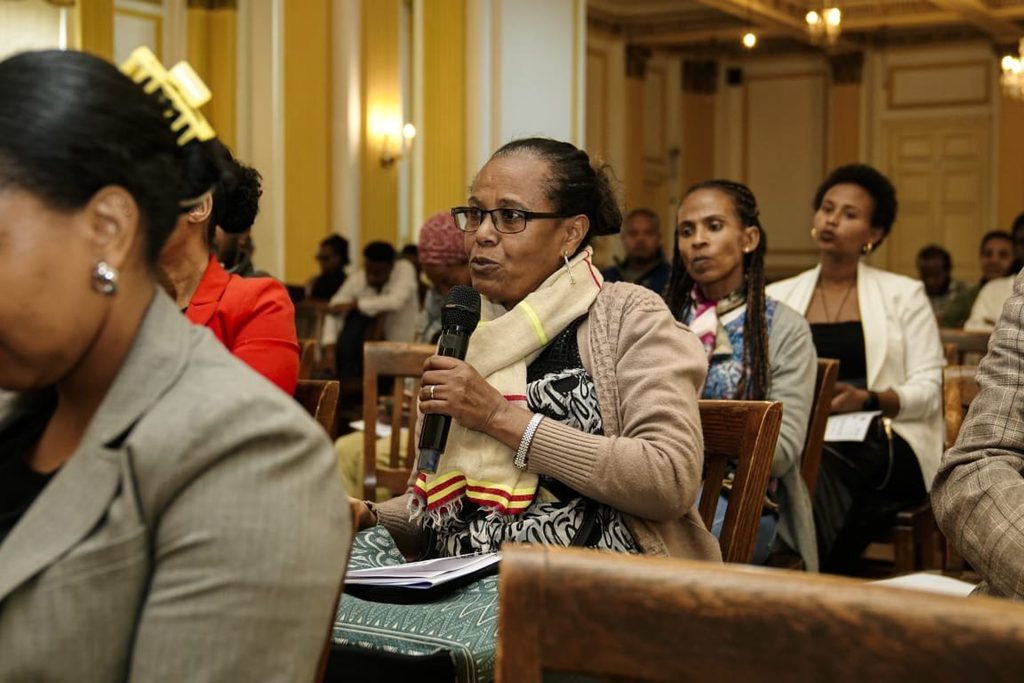
Books as spaces for critical engagement
The seminar brought together eight books spanning gender studies, migration, poetry, history, folklore, oral traditions and critical theory. They included Norms and Violence Against Women in Ethiopia, co-edited by Meron Zeleke; Blackness in German African Studies, co-edited by Serawit Bekele; yä-Kaffäčo bəḥer ənna bahəlu by Desta Amare; yä-Nay ḥəzb folklore by Yenealem Areda; #evolutionary poems by Mihret Kebede; Counter Streams in Migration: Ethiopia’s Choices to Stay, Leave, or Return by Hewan Girma; yä-Ṣara mahbäräsäb bahəl by Frehiwot Bayu; and Giber and Maed by Namouna Guebreyesus and Hiruy Abdu.
Across the reviews, author conversations and roundtable discussions, several common themes emerged around women’s agency, local knowledge, migration, Ethiopian history, language, culture and African knowledge production.
Discussions around violence against women emphasized the importance of understanding local contexts and agency, while also questioning assumptions that what is described as ‘local’ is necessarily positive. In conversations on migration, participants highlighted the importance of understanding emotional experience alongside economic explanations.
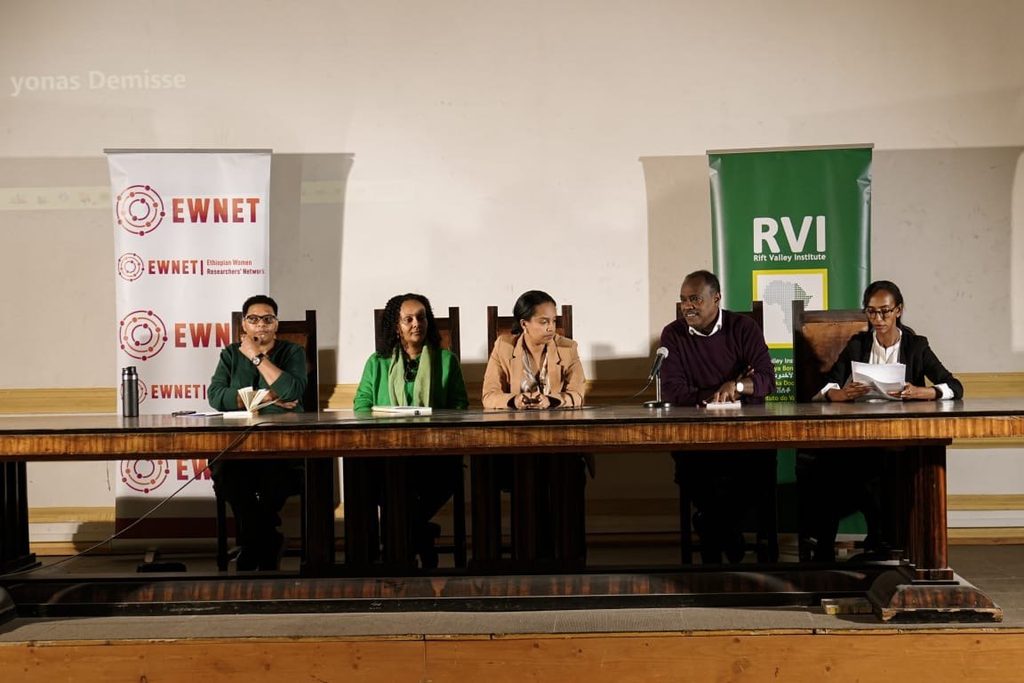
Language and creative work were also explored as forms of historical evidence. The discussion of Giber and Maed considered how words and concepts can reveal political, economic and social histories, while #evolutionary poems prompted reflection on how poetry can document political events, preserve memory and contribute to the historical record.
From fieldwork to publication
The afternoon roundtable, Collaborative Pathways from Research to Publication, shifted attention to the process behind published scholarship. Frehiwot Bayu, Desta Amare and Yenealem Areda reflected on how their research began, key turning points in moving from research to publication and strategies for navigating academic publishing.
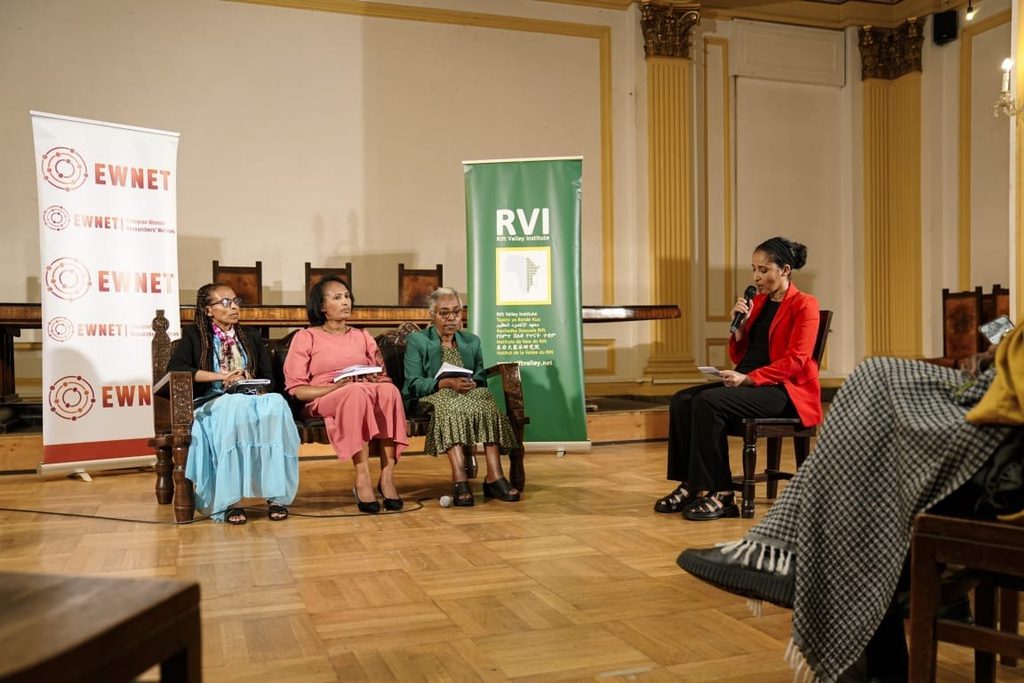
The conversation also highlighted challenges faced by women researchers, including access to communities, cultural expectations, the role of chaperones, language barriers and working with translators. Participants discussed the wider pressures of academic publishing, including lengthy processes, reviewer workloads and the need for stronger university publishing systems.
Strengthening spaces for women’s scholarship
Authors welcomed EWNET’s role in creating a platform where their work could be reviewed, discussed and shared with a wider academic community. Participants particularly valued holding the seminar at Addis Ababa University, where the discussions could reach students and early career researchers as well as established scholars. Authors also called for the Review of Books Seminar to become a regular EWNET activity.
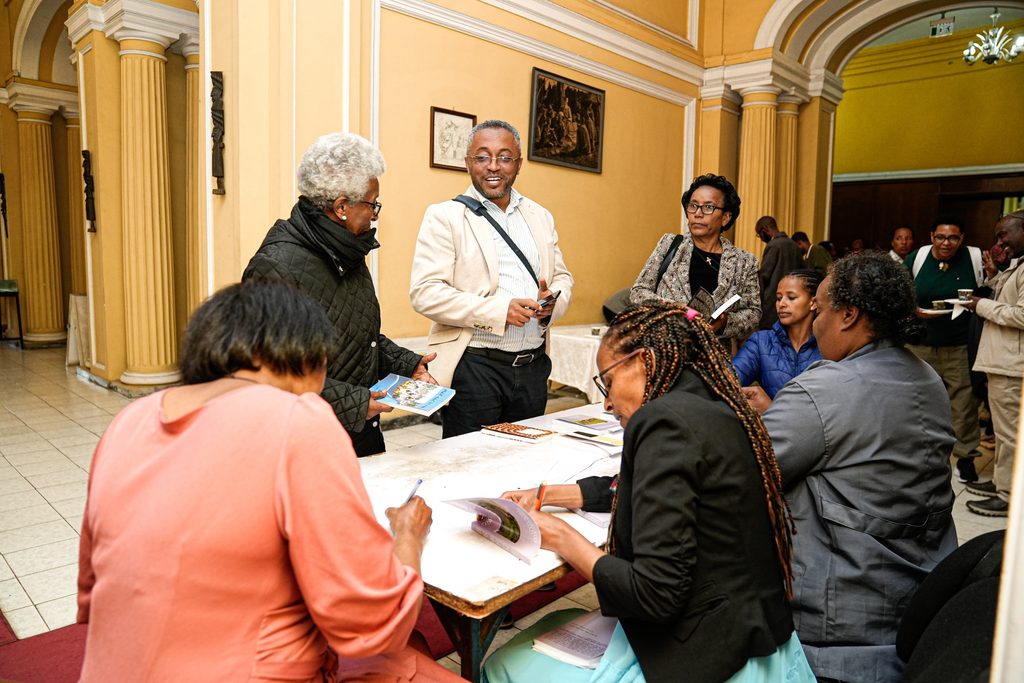
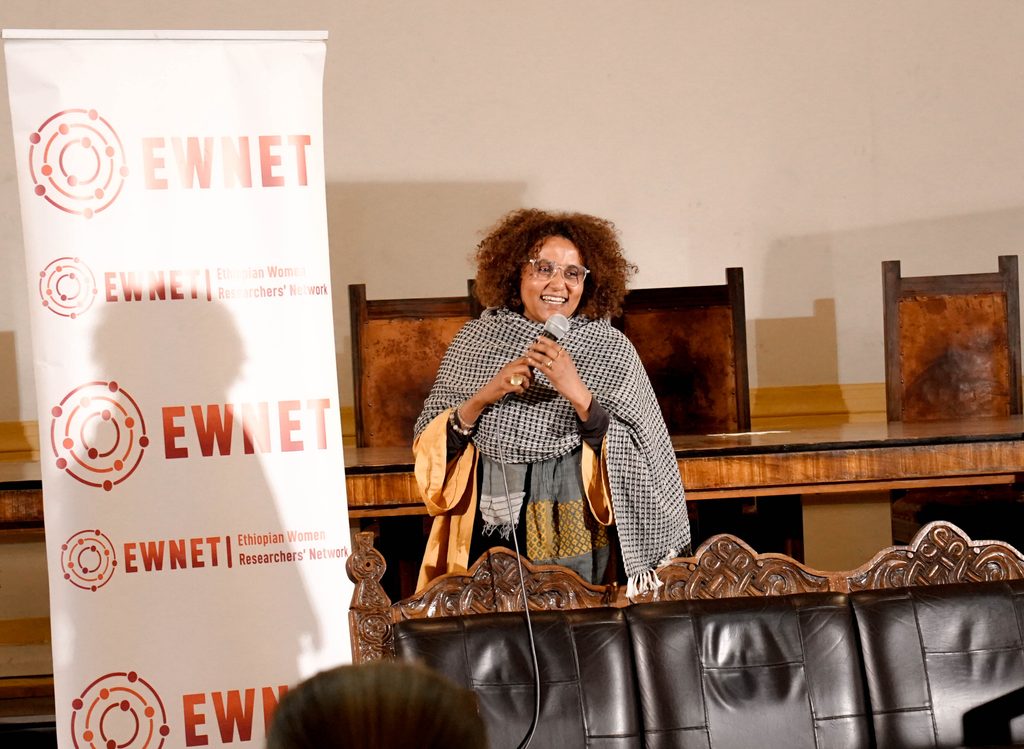
Book signing and networking at the close of the seminar, and EWNET Principal Investigator Netsanet Gebremichael during the event.
The seminar reflected a broader message about what is needed to strengthen knowledge production in Ethiopia: Support cannot end with research or fieldwork. Researchers need spaces to write, review, publish, debate and share their work.
“Courage in all aspects is essential in terms of writing, reading, reviewing and publishing to ensure a symbiotic research ecosystem.”
– Netsanet Gebremichael, EWNET Principal Investigator