The Ethiopian Women Researchers Network brought together scholars from across Ethiopia to examine how gender, power and knowledge production are shaping contemporary research and public debate.
On 26 March 2026, researchers, practitioners and academics gathered in Addis Ababa for SHECONF 2026, an International Conference on Social Sciences and Humanities in Ethiopia, the first of its kind convened by the Ethiopian Women Researchers Network (EWNET). The conference created space for conversations that moved across governance, conflict, political mobilisation, literature, heritage and institutional life, while returning repeatedly to a common question: how is knowledge produced, and who gets to shape it?
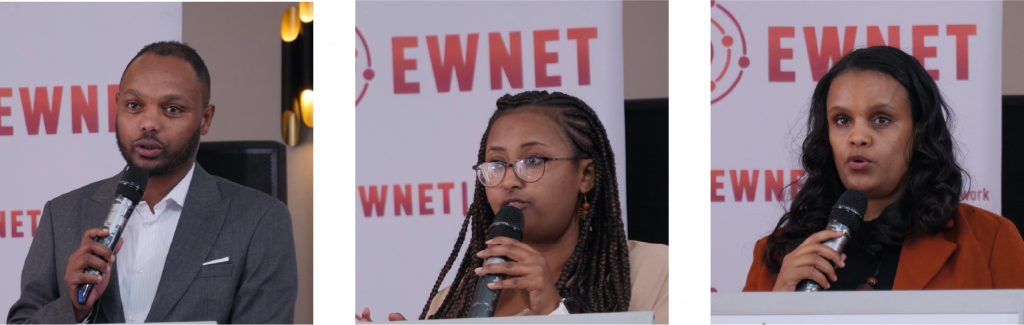
Opening remarks at SHECONF 2026. L-R: Brook Abdu, Fikir Getachew and Dalaya Ashenafi.
From discussions of women’s participation in university governance and indigenous institutions, to examinations of political resistance, conflict and cultural change, participants explored the relationship between formal structures and lived realities. Throughout the day, presenters highlighted how power operates not only through institutions and policy, but also through everyday practices, social norms and systems of knowledge.
“Women’s everyday lives are sites where global systems are negotiated, resisted and reproduced.”
– Hanna Haile
Several presentations examined the gap between institutional commitments and lived experience. Research presented during the conference highlighted the persistence of gender inequalities within universities and other public institutions, while other papers explored how women navigate and reshape spaces ranging from indigenous governance systems to climate adaptation and political organising.
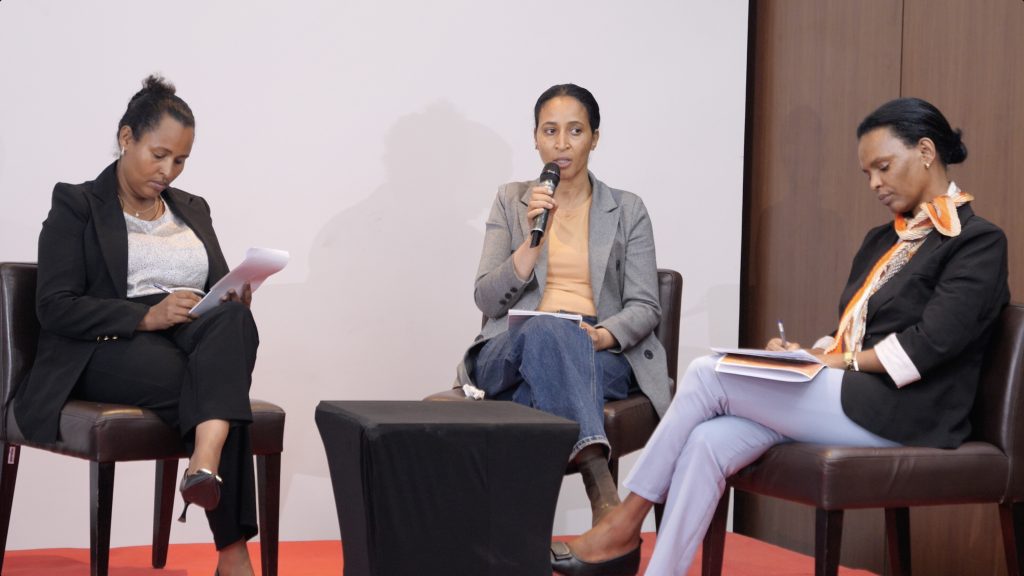
Questions of resistance emerged in multiple forms. Presentations explored the opportunities and limitations of social media activism, revisited women’s roles in Ethiopia’s socialist revolution and examined how poetry and silence can function as forms of political expression. Rather than treating resistance as something that only occurs through visible political action, participants reflected on the many ways people negotiate power in their everyday lives.
The conference also returned repeatedly to the relationship between research and policy. Discussions highlighted the challenges researchers face in translating evidence into action, particularly in contexts shaped by conflict and competing political interests. Participants reflected on what it means to produce research that remains grounded in local realities while also informing public debate and decision-making.
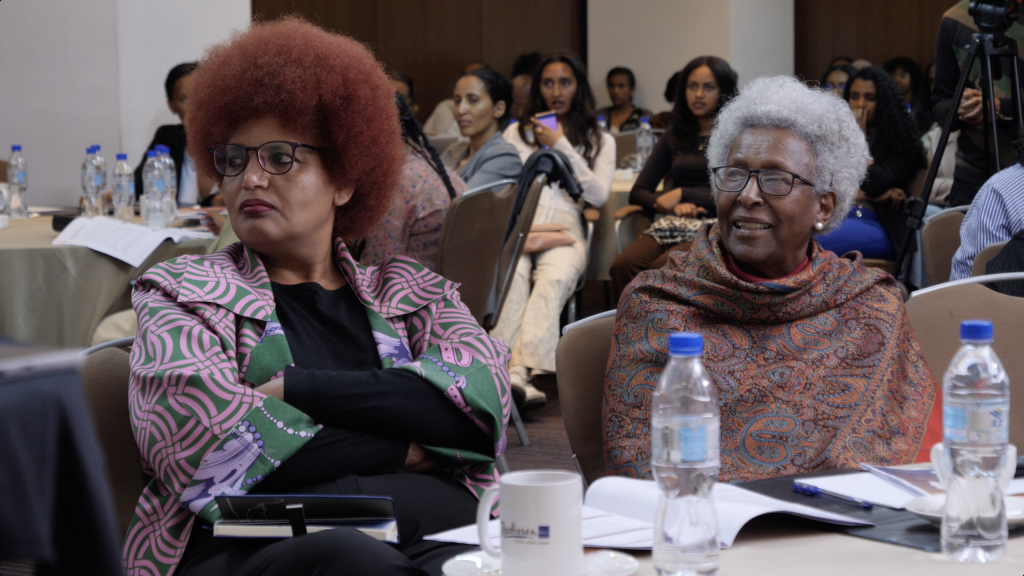
Themes of continuity and change ran through the final sessions. Papers examined literary responses to social transformation, the preservation of manuscript traditions and the everyday realities of institutional reform. Together, these discussions pointed to the importance of safeguarding both intellectual heritage and the spaces through which new knowledge is produced.
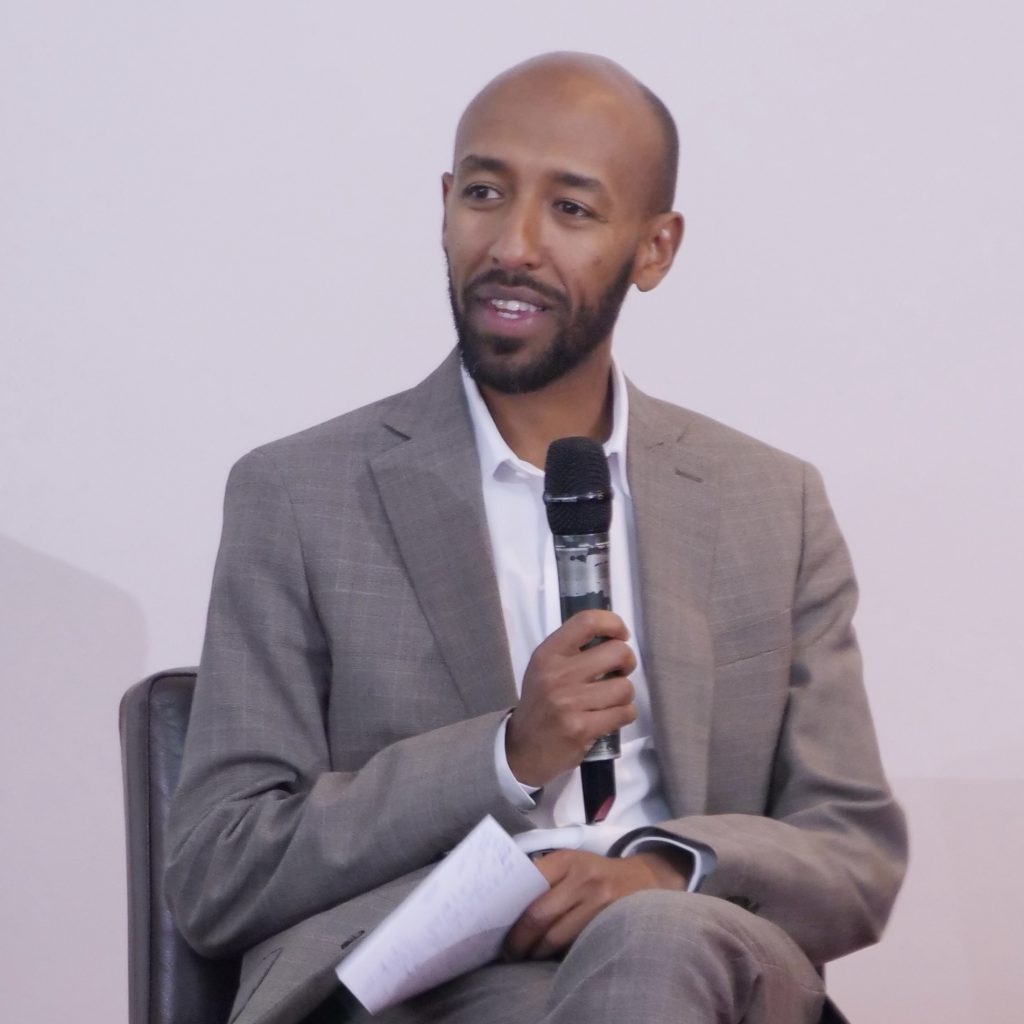
In his closing reflections, political scientist and former Head of RVI’s Ethiopia Office Semir Yusuf challenged participants to think beyond familiar distinctions between theory and practice, or modern and traditional forms of knowledge. Research and policy, he argued, are both shaped by power, requiring researchers to remain critically aware of their own position and influence.
“Research and policy are both power-infested spaces—bridging them requires more than evidence; it demands reflexivity.”
– Semir Yusuf
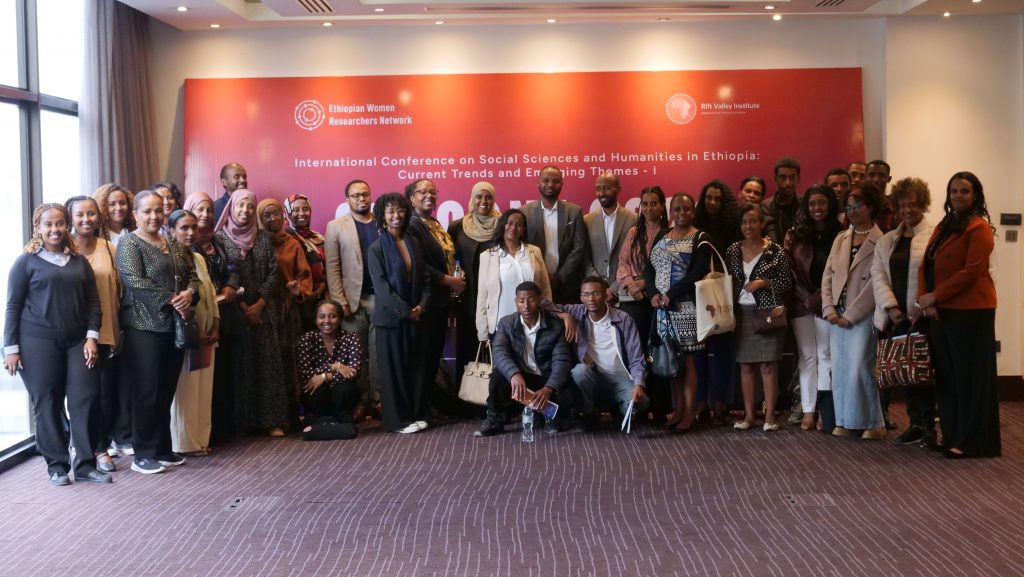
As EWNET looks ahead to future writing workshops, fellowships and regional collaborations, SHECONF 2026 was more than a one-day conference. It reflected a growing community of Ethiopian women researchers, creating space to share work, build connections and contribute to ongoing conversations about research, policy and social change.
Download the full event report here.