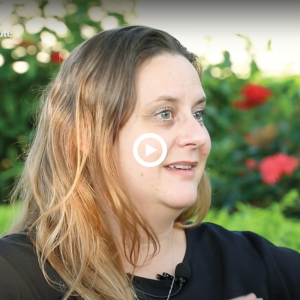
Rose Wright, Conflict Adviser at the British Embassy in Juba, reflects on the role of research and evidence in shaping conflict-sensitive responses across South Sudan and the region. From shifting gender norms to regional instability, she shares why programmes like XCEPT are vital to understanding and supporting peace in complex contexts. She also highlights the importance of locally grounded, gender-responsive programming — including the Embassy’s new work on addressing harmful gender norms and gender-based violence.
This interview is part of the XCEPT (Cross-Border Conflict Evidence, Policy and Trends) programme, funded by the UK government.
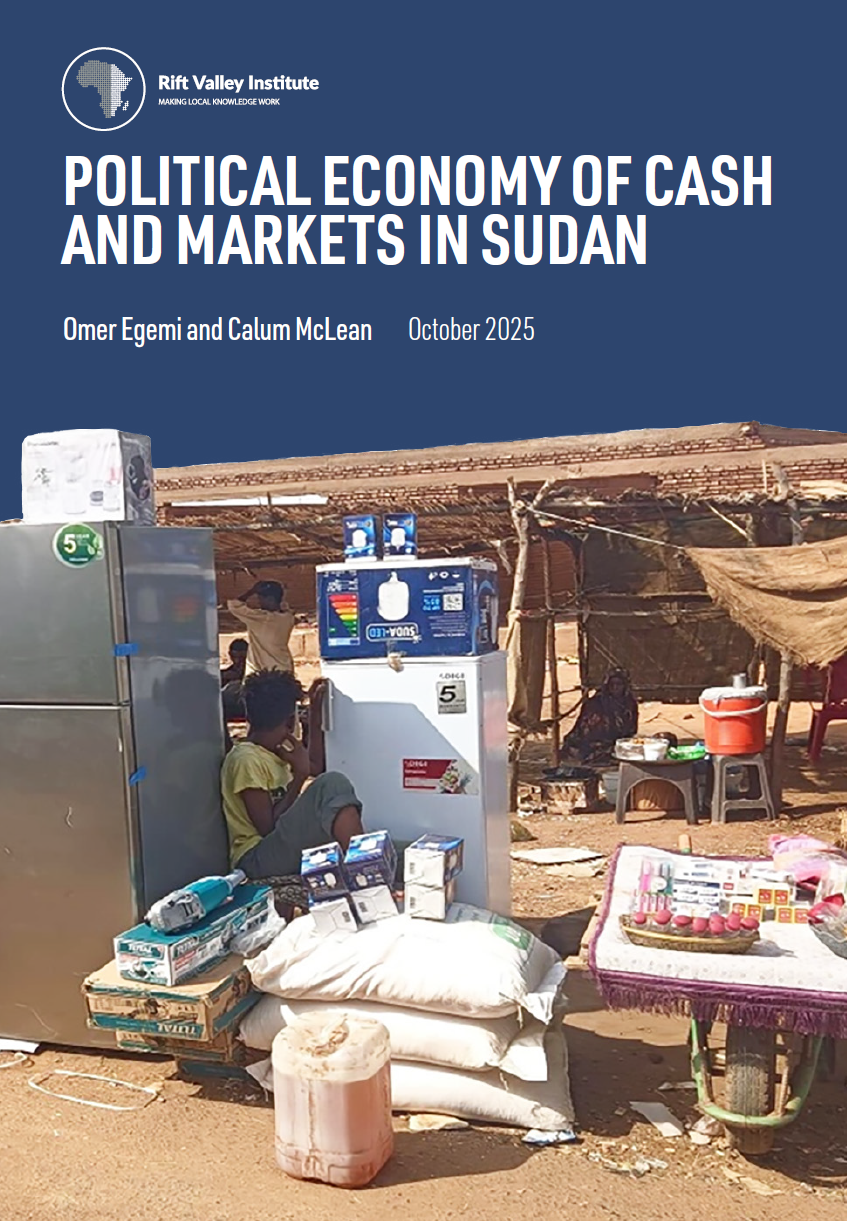
Political Economy of Cash and Markets in Sudan
The research provides a snapshot of the war in Sudan in the period from February to April 2025. However, the war is dynamic, with political