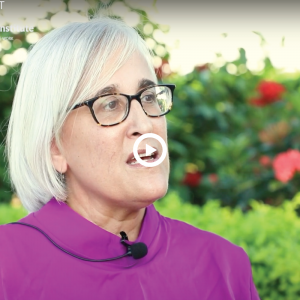
Rebecca Lorins, co-founder of Likikiri Collective and assistant professor at the University of Juba, discusses how researchers can move beyond written reports to engage broader audiences in South Sudan. She highlights the importance of using theatre, live performance, podcasts and multimedia to share evidence in accessible ways, especially in contexts with diverse literacies.
She also reflects on how early career researchers can respond to community priorities, and why policymakers need to reassess how they define research value in fragile and dynamic settings.
This interview is part of the XCEPT (Cross-Border Conflict Evidence, Policy and Trends) programme, funded by the UK government.
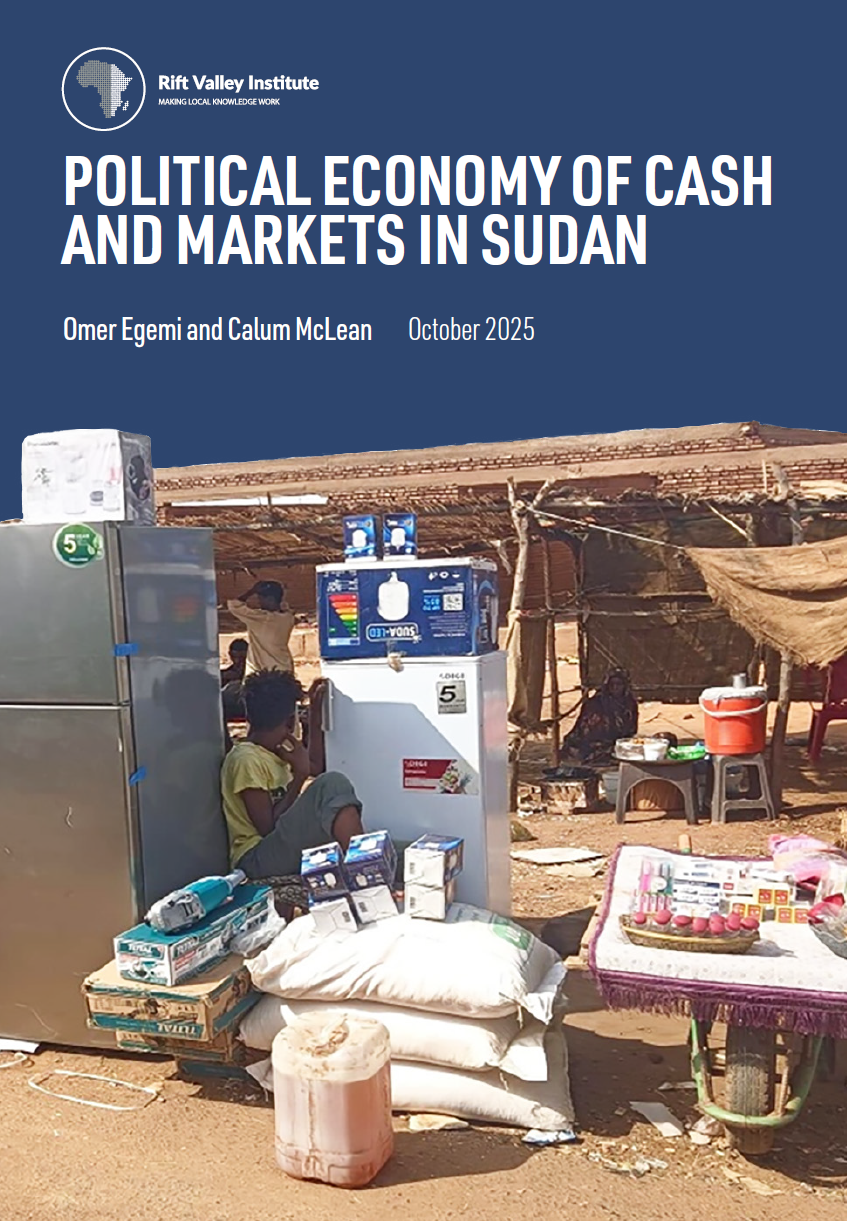
Political Economy of Cash and Markets in Sudan
The research provides a snapshot of the war in Sudan in the period from February to April 2025. However, the war is dynamic, with political