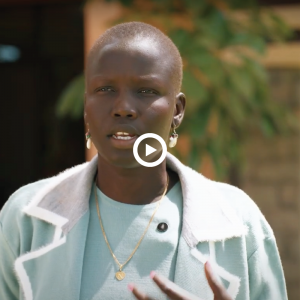
Elizabeth Nyibol, a South Sudanese researcher and long-time contributor to the XCEPT programme, shares her journey from local research to global engagement. Through her work on projects like Changing Tests and her publication Triple Burden, she reflects on how six years with XCEPT expanded her research skills, from data analysis and policy writing to coding and cross-regional collaboration.
Elizabeth speaks to the importance of strengthening local research networks, highlighting how grounded, community-led data contributes to more informed policymaking. She stresses that when research comes from those most affected by conflict, it builds trust, brings new challenges to light and empowers communities to be part of the process.
Her reflections underscore the deeper value of connecting local evidence with global conversations, showing how capacity building, shared knowledge and long-term investment in local researchers can transform how we understand and respond to conflict-affected regions.
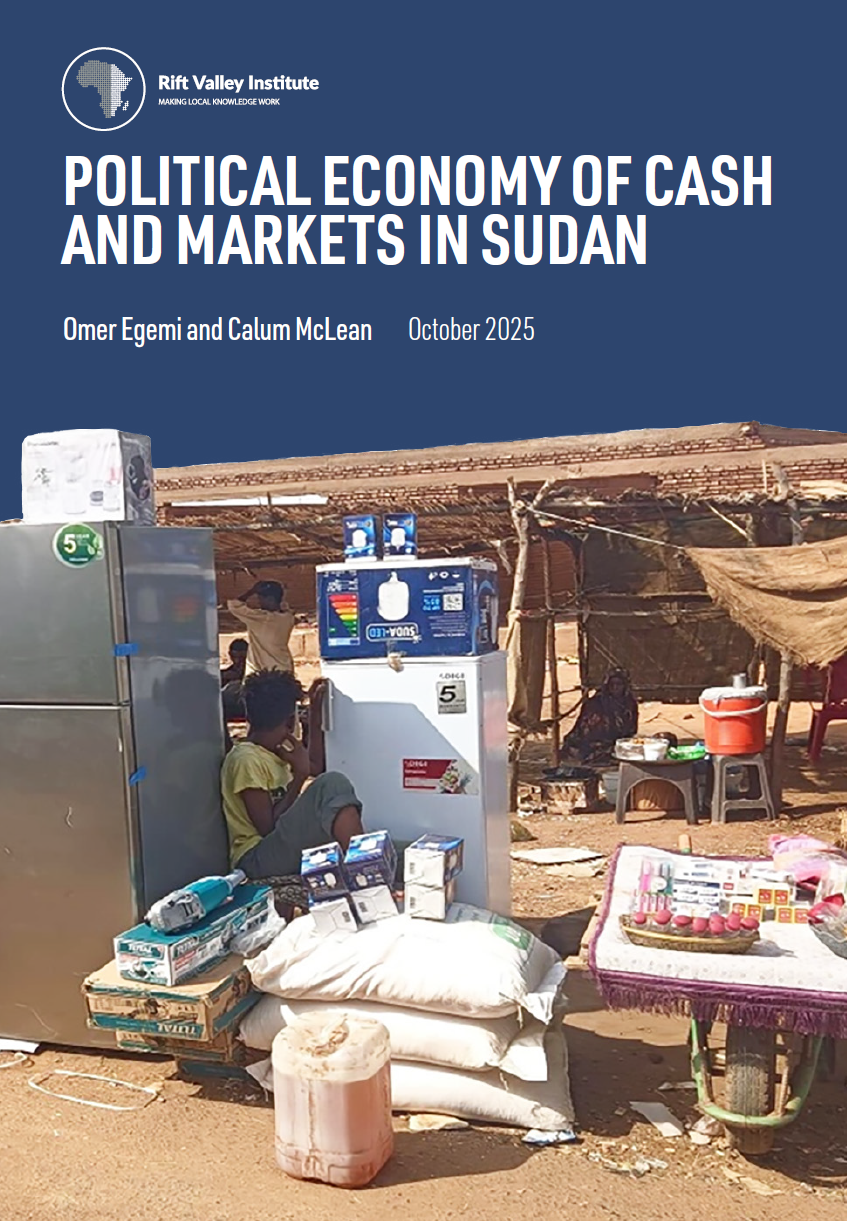
Political Economy of Cash and Markets in Sudan
The research provides a snapshot of the war in Sudan in the period from February to April 2025. However, the war is dynamic, with political